 Follow Us on Google News
 Follow Us on Google Discover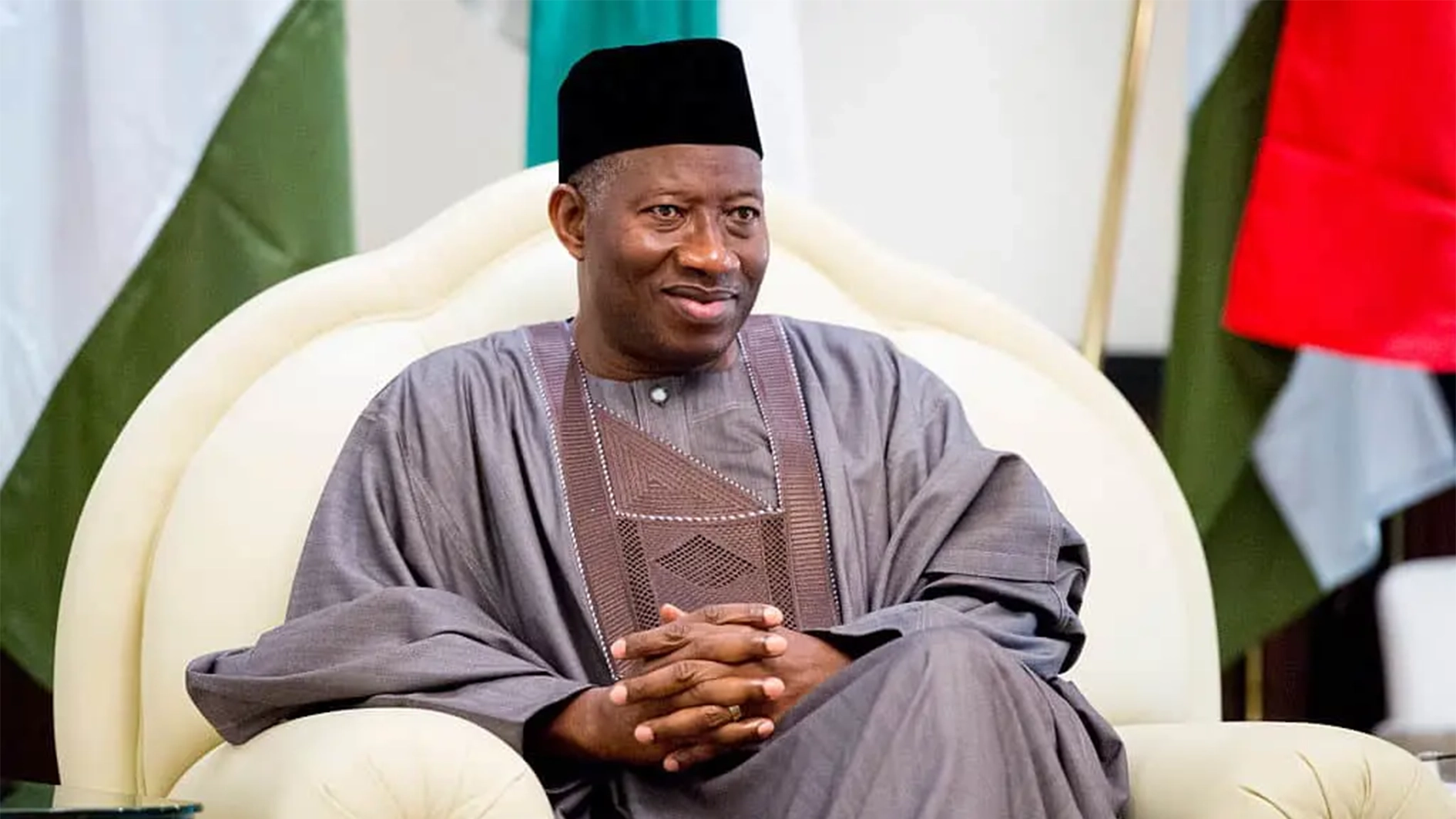
By H.E. Dr. Goodluck Ebele Jonathan
As the continent grapples with rising food and nutrition insecurity, climate shocks, youth unemployment, and growing import bills, that question is no longer rhetorical. It has become one of the defining economic issues of our time.
Last week in Kigali, more than 5,000 people from over 50 countries gathered at the African Food Systems Forum (AFSF), under the theme Investing in Africa’s Agri-food Systems. That so many delegates chose to spend their week wrestling with the soil, seed, investment and supply chain challenges facing Africa tells us something important: Africa’s food systems sit at the heart of the continent’s economic future. Food security, job creation, industrialisation, climate resilience and economic growth are increasingly converging around a single issue, whether Africa can mobilise the investment required to transform its agriculture.
I did not come to this forum as an academic or an observer. I came as a former president and a citizen of Africa who spent years in government grappling with three fundamental questions: How do we get proven agricultural technologies into the hands of farmers? How do we mobilise the resources needed to scale them? And how do we build institutions capable of delivering results that farmers, governments and investors can trust?
During my time leading Nigeria, agricultural transformation sat at the heart of our development agenda. I saw firsthand how focused, sustained investment in agriculture can create jobs, raise household incomes and strengthen food and nutrition security. That conviction is why I accepted, without hesitation, the invitation to serve as Goodwill Ambassador of the African Agricultural Technology Foundation.
Today, Africa’s food systems stand at a pivotal moment.
The continent’s population, currently estimated at more than 1.5 billion people, continues to grow faster than any other region in the world. At the same time, climate-related challenges, from prolonged droughts and devastating floods to emerging pests and diseases, are increasing in frequency and intensity. Africa’s greatest resource, its youthful population, needs meaningful economic opportunities, and agriculture remains one of the few sectors with the potential to create jobs and livelihoods at scale.

Yet every season, millions of farmers continue to lose income, not because they fail to produce, but because they lack access to efficient storage, processing facilities and reliable markets.
Anyone familiar with African agriculture knows this story well. What is new, however, is the growing determination across the continent to address these challenges and the unprecedented opportunity to do so through innovation, collaboration and investment.
African leaders have not been silent on this front. Through initiatives such as the Comprehensive Africa Agriculture Development Programme (CAADP), as well as the Malabo and Kampala declarations, governments have consistently affirmed agriculture as a strategic priority. This is not a peripheral concern for policymakers to revisit when convenient, nor is it only about growing more food. It is foundational to Africa’s future: driving industrialisation, creating jobs, strengthening resilience, improving nutrition and building more prosperous economies. If Africa is to achieve the growth and prosperity it aspires to, agriculture must sit at the centre of that effort, not on the margins.
Turning Africa’s agricultural ambitions into tangible results requires three elements working together; none is sufficient on its own.
First, we need proven agricultural technologies that increase productivity and build resilience to climate change. Second, we need patient capital. Agriculture rewards investors who understand seasons, not quarters. Third, we need commercialisation at scale: the unglamorous but essential work of connecting innovation to markets and farmers to opportunity.
The reality is simple: technology without investment remains trapped in laboratories. Investment without viable commercial pathways delivers little impact. Commercialisation without innovation runs out of momentum. Africa’s agricultural transformation requires all three to move forward together.
The encouraging news is that Africa already has compelling examples of what works.
Over the past two decades, agricultural research and development institutions across the continent have helped bring innovative technologies to millions of farmers while supporting the policy and regulatory frameworks necessary for broader adoption. These successes have not been delivered by any single organisation. They have been made possible through partnerships among governments, research institutions, seed companies, private sector actors, farmer organisations and development partners.
That collaborative model offers an important lesson for the investment community.
The next chapter of Africa’s agricultural transformation will be shaped by two priorities that must advance simultaneously: scaling solutions that have already proven their value in farmers’ fields, and investing in the next generation of innovations needed to address emerging challenges. Both require capital. Both require partnership. And both require confidence in African institutions that have demonstrated their ability to deliver results. My message to investors is straightforward: do not view Africa’s agricultural transformation from the sidelines.
Be partners in building it.
The opportunities before us are real and immediate. They span improved seed systems, mechanisation, storage, processing, logistics, infrastructure, digital agriculture and market platforms. These are not future possibilities awaiting discovery; they are existing opportunities seeking committed investment and long-term partnership.
Africa’s farmers have already demonstrated what is possible when they have access to technology, finance and markets. The evidence is no longer in doubt.
The real question is not whether Africa’s agri-food systems are investable. The real question is whether investors recognise that some of the greatest opportunities of the next decade lie in the sector that feeds nations, employs millions and underpins economic stability.
If Africa’s future matters, agriculture cannot remain undercapitalized.
Investing in African agriculture is not an act of charity. It is a strategic investment in growth, resilience and shared prosperity. The continent’s future harvest will be determined by the investment decisions made today.
The writer is the Former President, Federal Republic of Nigeria; and AATF Goodwill Ambassador for Agricultural Technology

