 Follow Us on Google News
 Follow Us on Google Discover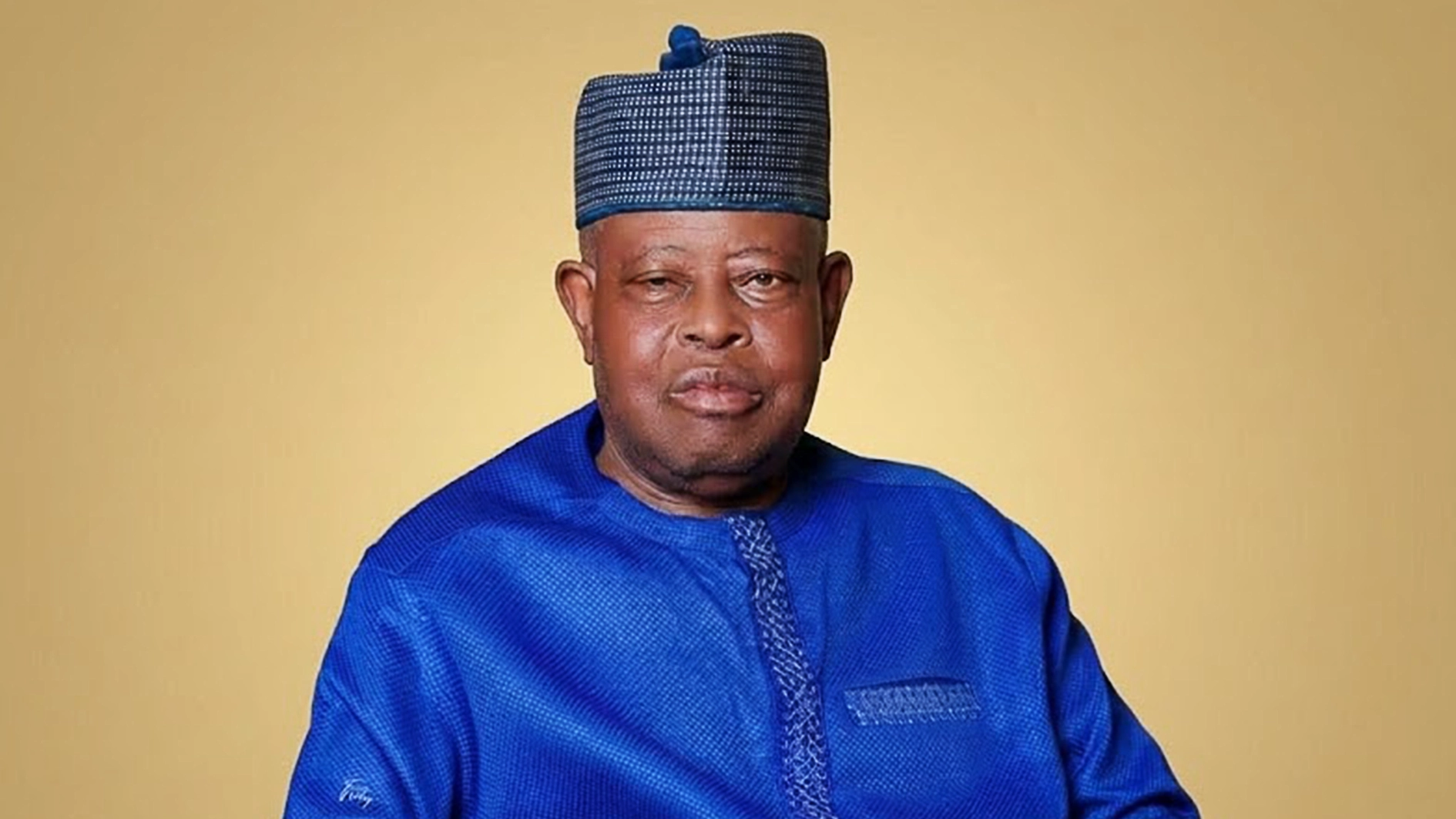
A former Head of the Federal Civil Service, Alhaji Babatunde Tajudeen Rotinwa, has warned that Nigeria’s economic growth will have little meaning if workers continue to struggle to afford basic necessities, urging the government to ensure that increased revenue translates into improved living conditions.
Rotinwa, who spoke in an interview to herald Nigeria’s 66th anniversary, said economic policies and reforms, including petroleum subsidy removal and foreign exchange adjustments, should be accompanied by measures that enable a significant proportion of working Nigerians to benefit from the additional revenue generated.
“Growth that does not reward the populace is not an answer,” he said.
He argued that the objective should go beyond salary increases to creating conditions that enable workers to maintain a decent standard of living, particularly as the rising cost of essential goods and services continues to put pressure on household incomes. Rotinwa identified regular payment of pensions, affordable transportation, accessible healthcare, food security and social protection as key areas requiring government attention.
“If pension does not come, if free transportation and health are perpetually postponed for a promised prosperous Nigeria, public servants will go to the grave feeling abandoned,” he said.
He said the rising cost of living had created a widening gap between wages and the cost of essential goods and services, making it necessary for government to focus on measures that improve workers’ purchasing power.
“In Nigeria, a permanent secretary cannot afford a new car; a used one costs N30 million, and we still speak of growth,” he said.
Rotinwa pointed to public transportation as one area where government intervention could significantly reduce the financial burden on workers. He also advocated stronger healthcare and social protection measures to cushion the impact of rising living costs.
On food security, he urged the government to closely monitor the production and availability of essential commodities, including wheat, rice and beans, while addressing supply gaps that could further drive up prices.
He also called for greater attention to the needs of low-income Nigerians in government housing and development programmes, saying public policies should reflect the circumstances and priorities of the majority of citizens.
According to him, government planning should begin with consultation to identify the needs of citizens and ensure that available resources are channelled to priorities with the greatest impact.
“Ask the people what they need — water, hospital — they will give you a hundred items. Bring that back, match it to finance, and you will find you need only 25, but those 25 must have a multiplier effect that delivers another 25,” he said.
Rotinwa further advocated improved revenue generation at the local government level, particularly from markets and motor parks, saying such revenues could help fund salaries and essential public services.
He also urged public officials to plan beyond immediate political and administrative priorities by taking inflation, maintenance costs and future demands into consideration.
For Rotinwa, the measure of economic policy should ultimately be whether it enables Nigerians, particularly workers, to meet their basic needs and live with dignity.

