 Follow Us on Google News
 Follow Us on Google Discover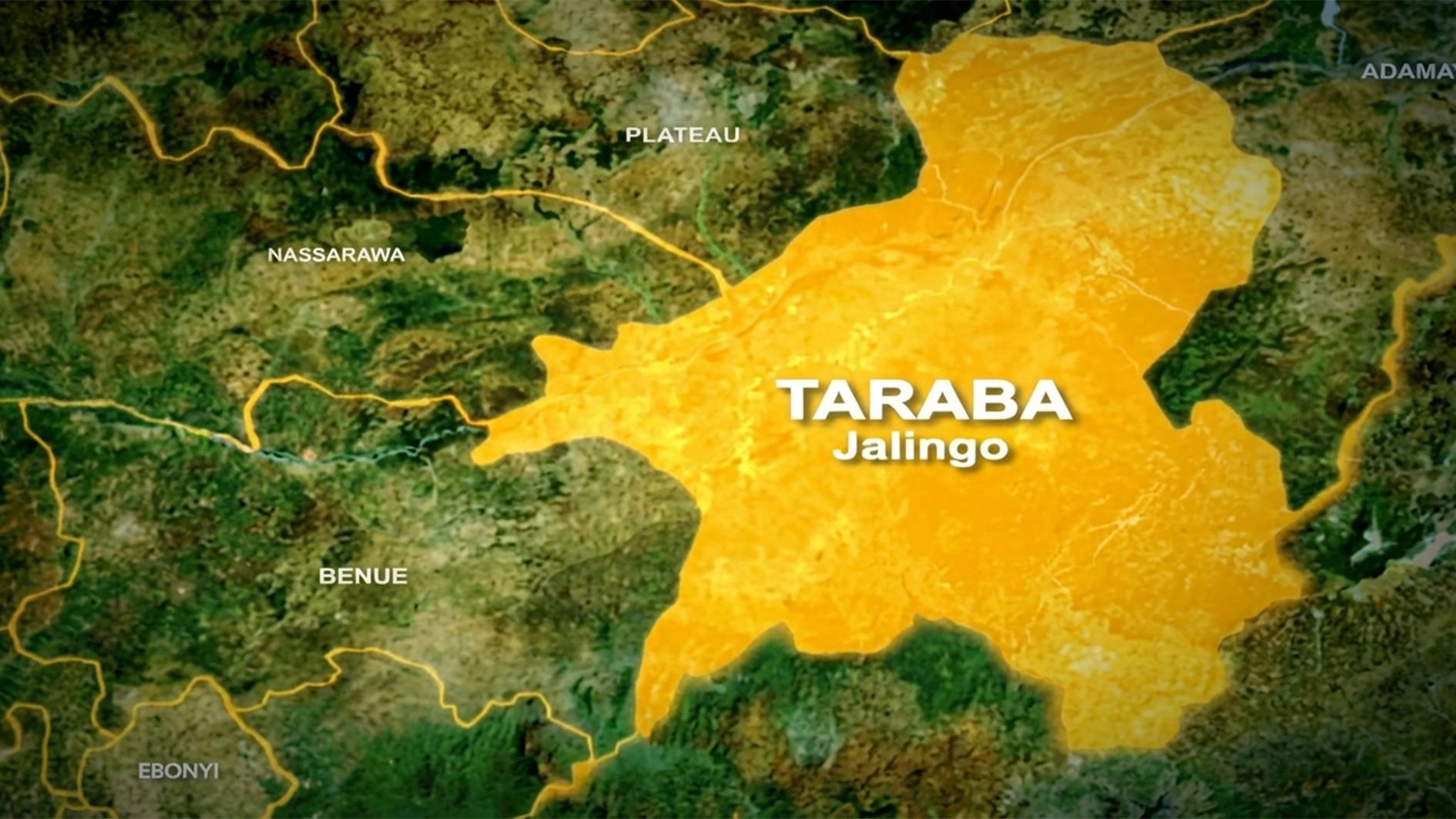
The Livestock Productivity and Resilience Support Project (LPRES) in Taraba State has intensified efforts to prevent recurring disputes between livestock farmers and host communities through the promotion of Alternative Dispute Resolution (ADR).
The initiative was highlighted during a s five days training programme on Alternative Dispute Resolution (ADR) , organised for livestock farmers, host communities, traditional and community leaders and other stakeholders, with emphasis on peaceful mechanisms for resolving disagreements before they escalate into violent conflicts.
The training which tool place at Galaxy Spot is Jalingo, comes against the backdrop of disputes that often arise between livestock farmers and communities over access to land and water, livestock movement and alleged crop damage.
Speaking during the programme, the State Project Coordinator of L-PRES, Mr. Hananiah G. Albert, described peace as essential to the growth and sustainability of livestock production in the state.
Represented by the state L-PRES ICT and communication officer, Mr. Ezra Atimas, Albert said livestock farming remained an important source of livelihood for many people in Taraba, stressing that disagreements associated with the sector should be addressed through dialogue rather than confrontation.
He explained that Alternative Dispute Resolution offers disputing parties an opportunity to sit together, listen to one another and understand their respective concerns, with a view to reaching peaceful and mutually acceptable solutions.
According to him, effective communication and early intervention could prevent minor disagreements from developing into wider community conflicts.
He therefore urged participants to actively engage in the training, share their experiences and take the knowledge gained back to their respective communities.
Albert said strengthening peaceful relationships between livestock farmers and host communities would not only promote security but also create a more conducive environment for livestock production and development.
The LPRES coordinator further encouraged stakeholders to develop sustainable community-based mechanisms for addressing disputes, noting that peaceful coexistence was critical to the success of livestock-related activities.
Also speaking, a resource person at the training and Dean of the Faculty of Social Sciences, Taraba State University, Dr. Danjuma Yusuf, urged livestock farmers and community members to make wider use of existing community leadership structures when resolving disputes.
Yusuf, alongside other resource persons, advised stakeholders to involve traditional rulers, religious leaders, women’s groups and livestock associations in the settlement of disagreements.
They said the involvement of these groups would strengthen dialogue, build confidence among disputing parties and help preserve relationships between farmers and host communities.
The resource persons emphasised that ADR should not be viewed merely as a means of settling disputes after they occur, but also as a preventive mechanism capable of addressing grievances before they develop into serious conflicts.
They urged participants to promote a culture of dialogue and peaceful engagement in their communities, particularly when dealing with sensitive issues involving land, water, livestock movement and crop production.
The training, as gathered by our correspondent, is expected to strengthen the capacity of livestock farmers and host communities to manage disputes peacefully while contributing to improved community relations and sustainable livestock production across Taraba State.

