 Follow Us on Google News
 Follow Us on Google Discover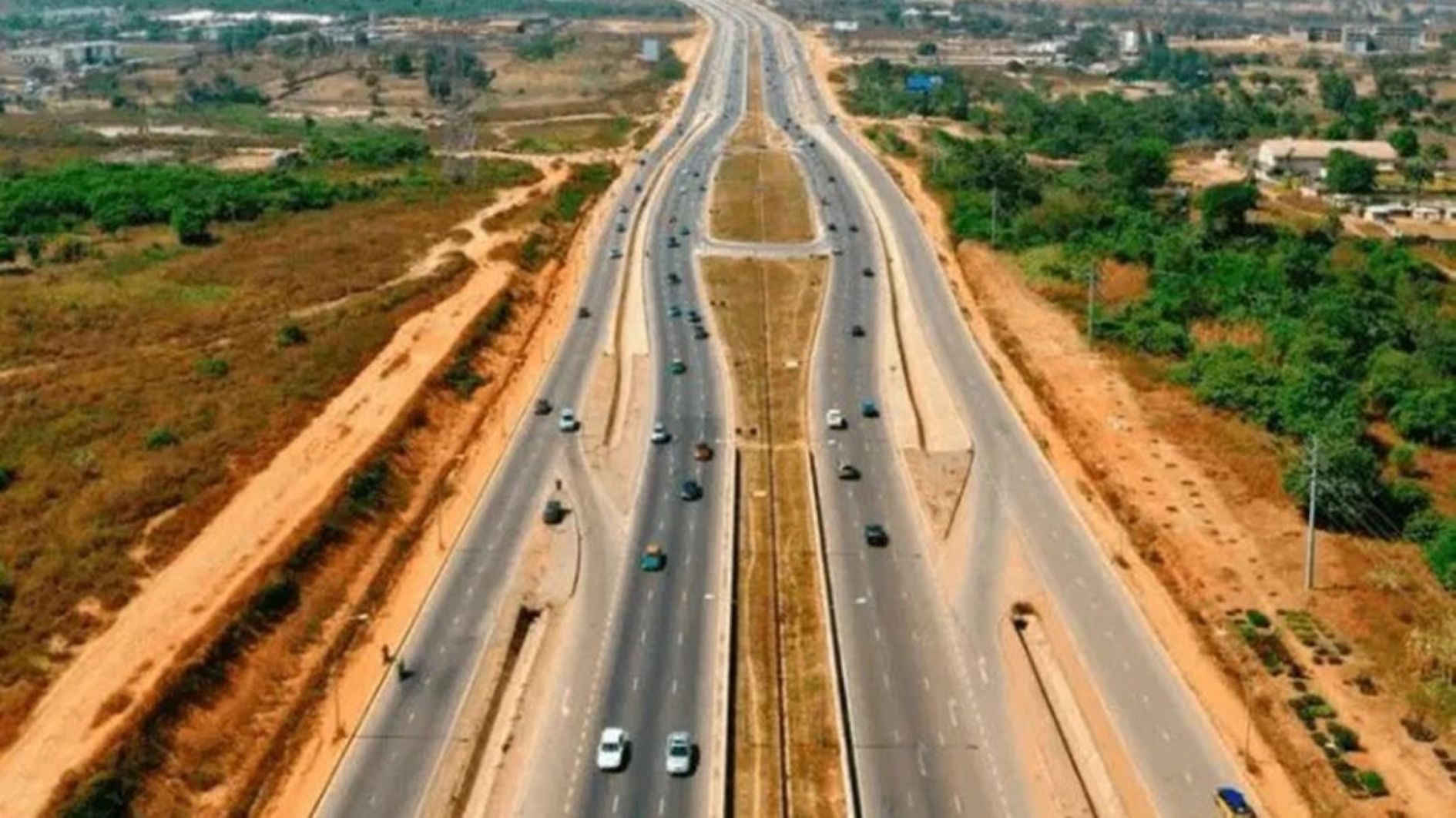
For residents of Ondo State’s coastal communities, the Lagos-Calabar Coastal Highway is being viewed as more than another road project. It represents a potential lifeline to markets, jobs, tourism and the wider economy.
But the reported decision to realign the highway through parts of Edo State, bypassing a substantial stretch of Ondo’s coastline, has raised fresh concerns about whether communities in Ilaje Local Council will be left on the margins of a project designed to transform Nigeria’s coastal belt.
A Senior Advocate of Nigeria (SAN), Ebun-Olu Adegboruwa, said the controversy deserved serious attention, arguing that it was not simply an Ilaje or Ondo State matter but one with wider implications for the Niger Delta and national development.
Adegboruwa said groups including Afenifere, the Ilaje Committee of Lawyers, Itsekiri and Iwere groups, traditional rulers and other stakeholders had questioned the reported realignment and called for greater transparency from the Federal Government.
He said the approximately 100-kilometre coastline attributed to Ondo should be regarded as an economic asset, particularly as Nigeria seeks to expand its blue economy.
According to him, the coastal communities have significant potential in fisheries, aquaculture, maritime transportation, tourism, logistics, energy, agriculture, industrial development and coastal trade.
“A coastal highway should create more than asphalt. It should create economic corridors, employment, logistics opportunities, tourism, maritime connectivity, industrial development, fisheries expansion, aquaculture, agricultural value chains and access to markets,” he said.
Adegboruwa acknowledged the reported position of the Federal Ministry of Works that difficult soil and geotechnical conditions influenced the realignment.
He said such considerations were legitimate in planning a major highway but should not automatically mean abandoning the coastal route.
He called for the Federal Government to make public the technical basis for the decision, including geotechnical findings, alternative routes considered, comparative construction costs, environmental implications, projected economic benefits and long-term maintenance requirements.
“The question is not whether the terrain is challenging. The question is whether the challenges can be responsibly engineered, at what cost, and with what long-term benefit to Nigeria,” he said.
Adegboruwa argued that difficult terrain should prompt engineers and policymakers to examine possible solutions rather than simply avoid the area.
He said modern engineering had demonstrated that major infrastructure could be built in wetlands, riverine environments and other challenging terrains, although the technical and economic viability of the Ondo route should be independently established.
He also cautioned against presenting the matter as a contest between Ondo and Edo states, saying infrastructure development should benefit interconnected communities and strengthen the wider coastal economy.
“Development should never be presented as a competition between Nigerian states. The objective should be to create interconnected economic corridors in which one state’s development reinforces another’s,” he said.
Adegboruwa commended the reported visit of the Minister of Works to Igbokoda, describing it as an encouraging sign of engagement with affected communities.
He urged the Federal Government to follow up with broader consultations and a transparent technical review.
For him, the central question is simple: if the project is a Coastal Highway, how much of Nigeria’s actual coastline should it leave behind?
He argued that the answer should be determined by evidence, engineering, economic value and the long-term interests of the communities the project was designed to connect.

