 Follow Us on Google News
 Follow Us on Google Discover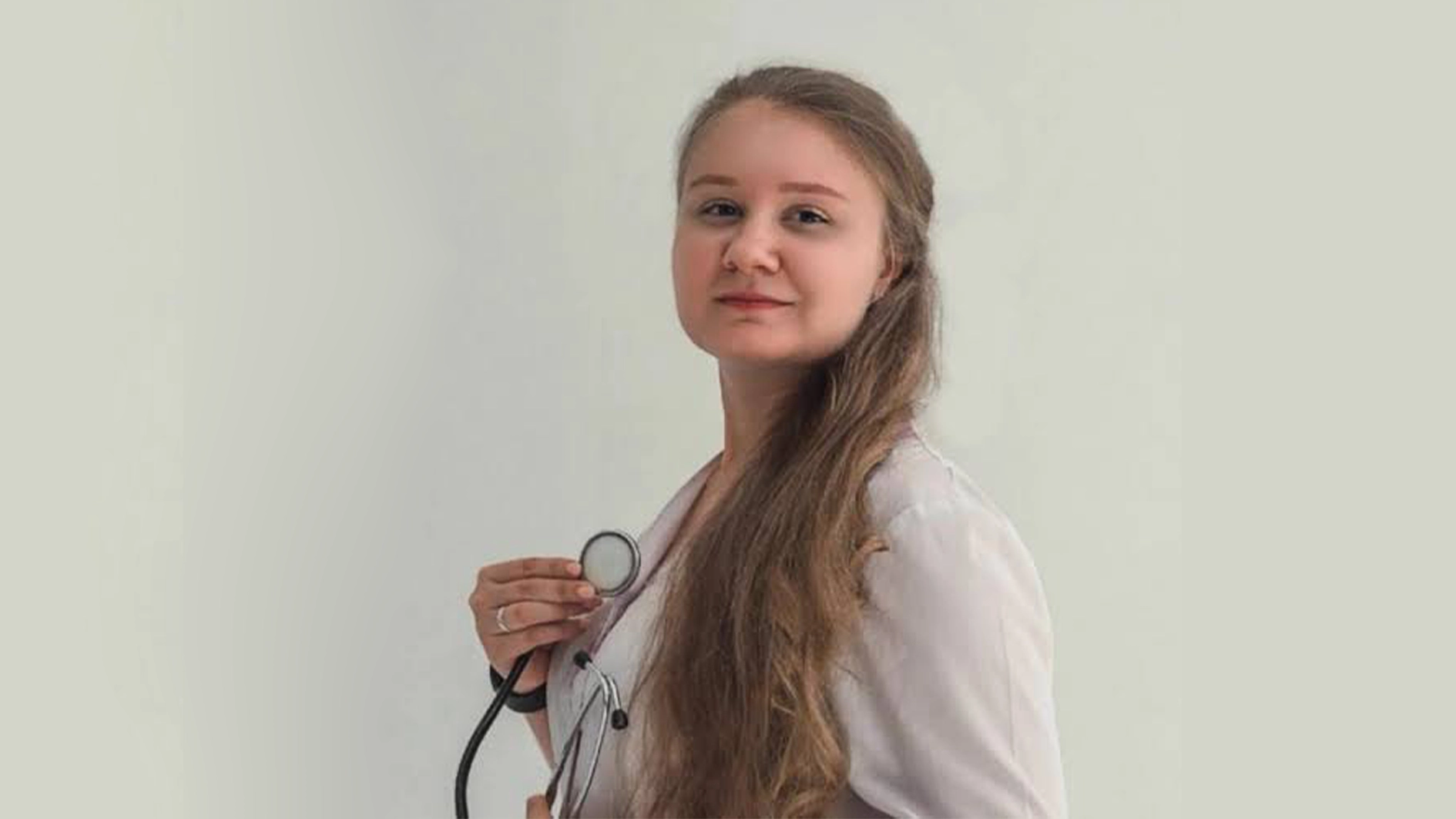
The World Health Organization (WHO) has requested for more details on the exact cause of the pneumonia which reportedly led to the death of a laboratory worker, Darya Shipilova, at the Irkutsk Antiplague Research Institute in Irkutsk oblast, Russian Federation.
In a post on his official X account on Wednesday, the Director-General of WHO, Dr. Tedros Adhanom Ghebreyesus said since the first media reports, the organization has been actively following up on the death of the laboratory worker.
Ghebreyesus’ post summarises WHO’s follow-up on the death of 28-year-old lab technician, Shipilova, from severe pneumonia at Russia’s Irkutsk Antiplague Research Institute, where media initially reported a possible accidental exposure to pneumonic plague bacteria.
Russian authorities told WHO that there were no recent plague cases in Irkutsk oblast, no high-threat pathogens detected in contacts (up to 200 quarantined and monitored), and no lab accident; many contacts have been released after testing negative.
“The individual died on 2 October 2026 after being hospitalised with severe pneumonia, with initial media reports suggesting pneumonic plague following an alleged accidental laboratory exposure,” Ghebreyesus said.
“In response to WHO’s verification request under the International Health Regulations, the Russian health authorities reported that no case of plague had recently been registered in Irkutsk oblast.

“They informed WHO that an epidemiological investigation had been conducted, preventive and control measures implemented, and identified contacts placed under medical observation and tested.
“They reported that no high-threat pathogens had been detected among the contacts and that medical observation of all identified contacts had been completed.”
WHO has, however, requested for more details on the exact cause of the pneumonia, the pathogen triggering measures, and unconfirmed reports of a second employee with undetermined pneumonia, stressing transparent sharing under International Health Regulations for risk assessment.
“WHO has remained in contact with the Russian health authorities and has offered technical support. WHO has requested further information to clarify the cause of the severe pneumonia, the pathogen that prompted the public health measures, and media reports of a second employee with pneumonia of undetermined cause,” Ghebreyesus said.
He added that timely, complete and transparent information sharing under the International Health Regulations (IHR) is essential to clarify conflicting reports and enable an accurate assessment of potential public health risks.

