 Follow Us on Google News
 Follow Us on Google Discover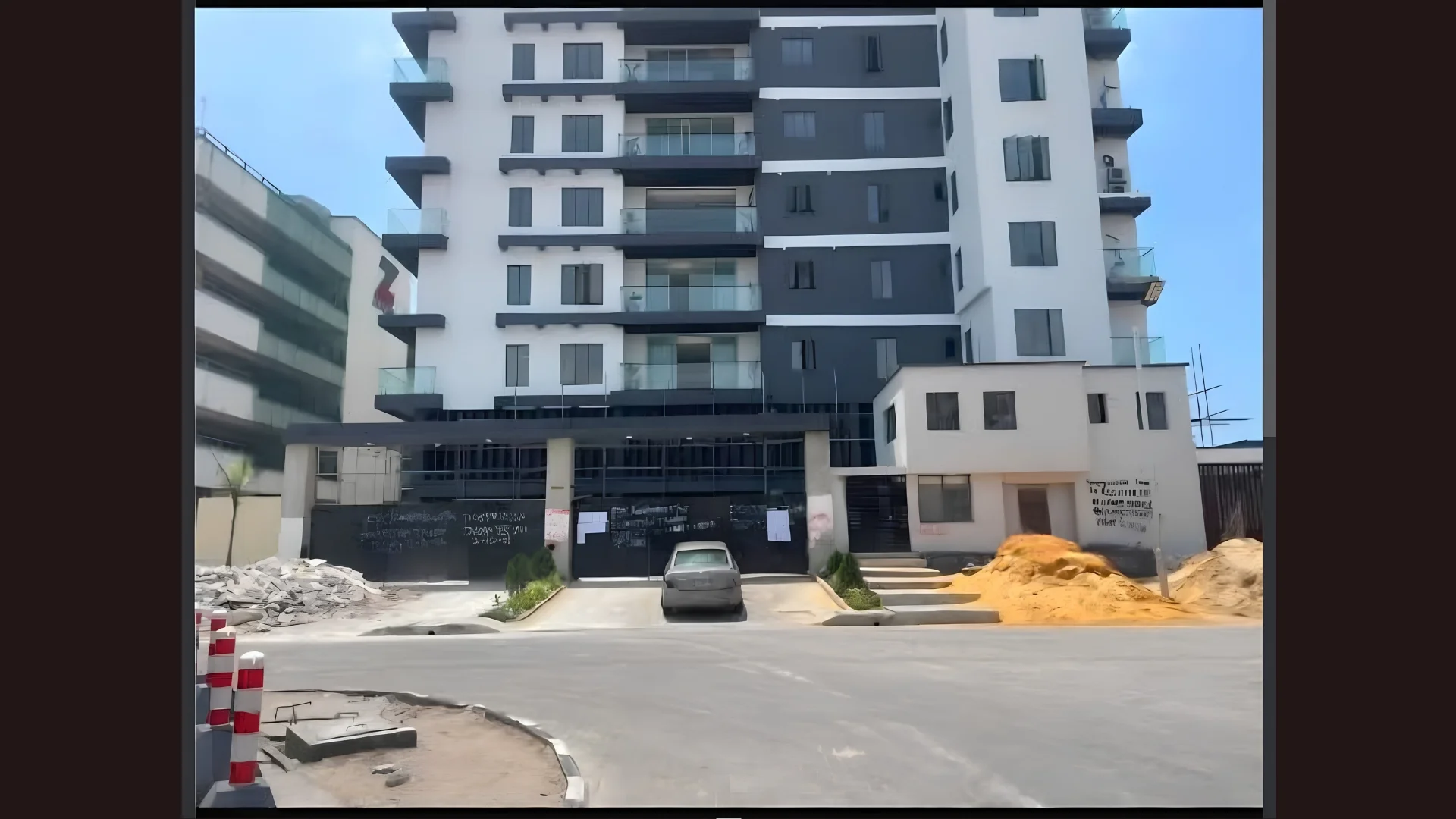
Institutional reforms advocate Segun Awosanya, popularly known as Segalink, has urged parties in the dispute over a Victoria Island property belonging to former First Lady Maryam Abacha to return to arbitration while respecting the ongoing court process.
Awosanya, founder and President of the Social Intervention Advocacy Foundation (SIAF), made the call while reacting to the dispute between Abacha and Levitikal Realties & Construction Limited over the property at No. 68 Molade Okoya Thomas Street, off Ajose Adeogun Street, Victoria Island, Lagos.
The dispute is currently before the Federal High Court in Lagos, where Justice Ambrose Lewis-Allagoa on September 29 appointed an interim receiver/manager over the property.
The court also restrained Levitikal Realties, its directors, agents and representatives from selling, transferring, assigning, mortgaging, leasing, charging or otherwise dealing with the property pending the hearing and determination of an application for interlocutory injunction.
The order followed an ex parte application filed by Abacha in Suit No. FHC/LAG/CS/1245/2026.
Court records show that Abacha entered into a Property Development Joint Venture Agreement with Levitikal on May 13, 2021 for the redevelopment of the property into 18 three-bedroom flats.

According to an affidavit filed on Mrs Abacha’s behalf by her son, Sadiq Mohammed Abacha, nine of the completed flats were to be allocated to the developer as consideration for carrying out the development.
The affidavit also maintains that neither the joint venture agreement nor a subsequent power of attorney transferred ownership of the land to Levitikal.
The allegations at the centre of the dispute have not been finally determined by the court.
In his intervention, Awosanya said he had followed the disagreement with “growing concern” and believed arbitration offered a route towards resolving the dispute while protecting the investment already made in the development.
He presented an account of the project’s history which differed in significant respects from allegations made against the developer in the ongoing proceedings.
According to Awosanya, the developer encountered several challenges after entering the joint venture arrangement, including outstanding land charges and difficulties obtaining vacant possession of the property.
He claimed that Levitikal absorbed costs associated with resolving those issues as part of its investment in the development.
Awosanya further alleged that the property had been offered to Zenith Bank after construction had commenced and that difficulties surrounding the property’s Certificate of Occupancy subsequently led to the granting of a power of attorney to the developer.
He also alleged that efforts to register the power of attorney at the Lagos State Land Bureau were subsequently obstructed.
“All these intrigues were documented,” Awosanya said.
The Guardian has not independently verified those allegations, and the court has not made a final determination on them.
Awosanya also questioned the circumstances surrounding the September 29 ex parte order appointing a receiver/manager.
“Respectfully, I believe the order was made on an incomplete picture and should be set aside,” he said.
That represents Awosanya’s assessment of the proceedings. The Federal High Court order remains in force unless subsequently varied or discharged by the court.
Awosanya also offered financial estimates concerning the development.
He said the land was valued at approximately ₦400 million when the joint venture agreement was reached and claimed the developer had since invested more than ₦17 billion in the project.
He attributed part of the increase in development costs to changes in Nigeria’s economy, including higher construction costs in the years following the removal of petrol subsidy in 2023.
According to his estimates, the landowners’ stake in the completed project could generate approximately ₦9 billion.
Those financial figures were supplied by Awosanya and have not been independently verified by The Guardian.
The dispute has also moved towards alternative dispute resolution.
A notice of dispute and request for mediation and/or arbitration dated September 7, 2026 has been reported in connection with the property.
Awosanya argued that returning to that process could provide the parties with an opportunity to resolve their differences while preserving the economic value of the development.
He also expressed concern about publicity surrounding the interim receivership order and said he intended to comment further on the matter.
Awosanya urged the parties to avoid actions that could further complicate the dispute and instead allow the judicial and arbitration processes to proceed.
The dispute centres on a property covered by a Certificate of Occupancy dated July 4, 1988 and registered at the Lagos State Lands Registry.
Abacha’s case alleges breaches of the joint venture arrangement by Levitikal, while Awosanya’s intervention presents a different account of the circumstances surrounding the development.
Those competing claims remain subject to the ongoing legal proceedings.
Awosanya maintained that arbitration offered the parties an opportunity to resolve the commercial dispute while protecting their respective interests in the property.
The substantive questions surrounding the joint venture, including the parties’ respective obligations and alleged breaches, remain unresolved pending further proceedings.

