 Follow Us on Google News
 Follow Us on Google Discover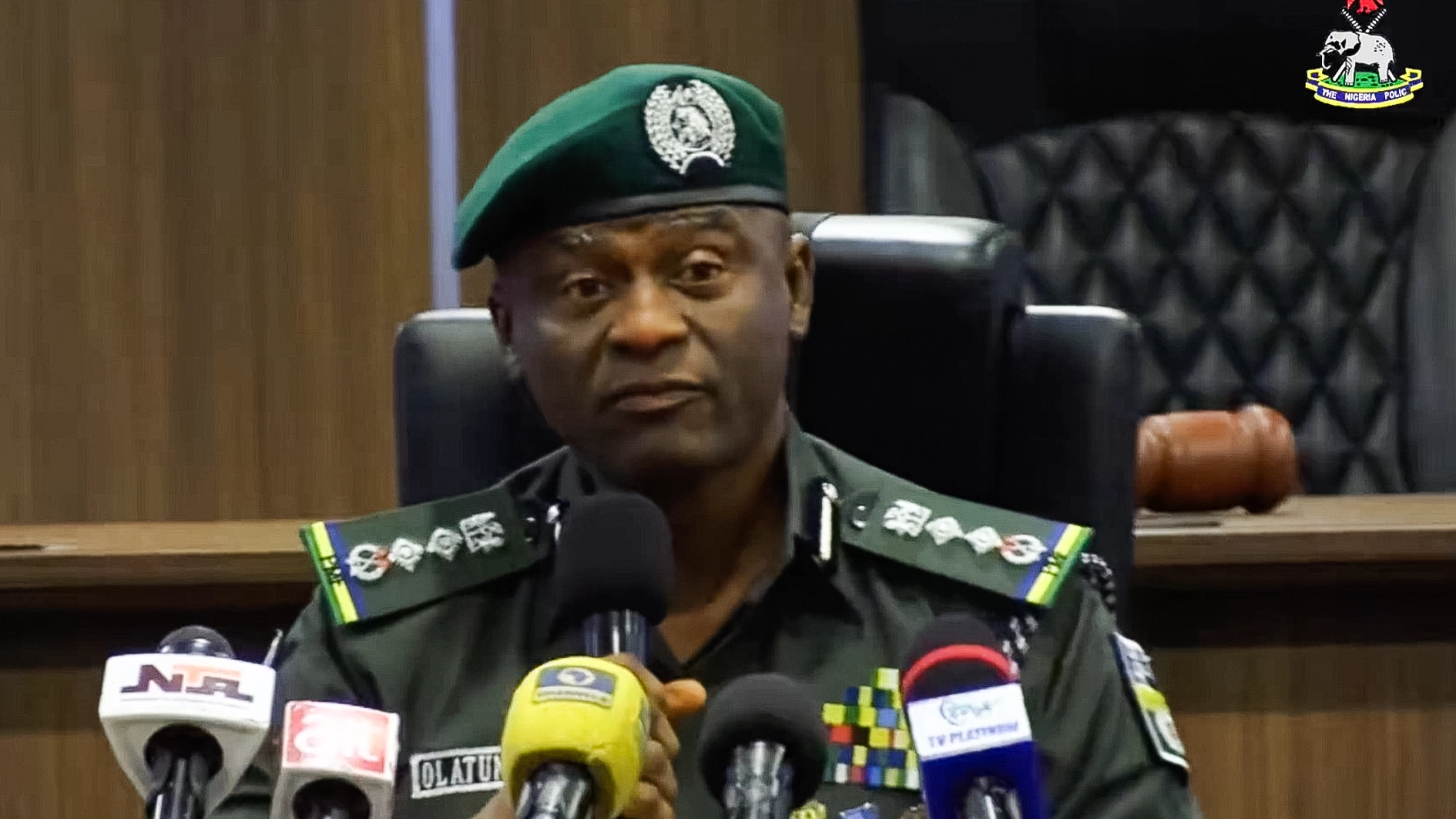
The August 15 governorship election may have ended, but a troubling pattern of killings, cult-related violence, clashes involving transport union factions and the alleged use of street-level enforcers is leaving Osun State grappling with a fresh security challenge, OLUWOLE IGE reports.
The dust raised by the August 15 governorship election may have settled politically, but the violence associated with the period appears to have acquired a life of its own, with cult-related killings, transport union disputes and the activities of suspected street gangs generating fresh concerns across Osun State.
Rather than disappearing with the conclusion of the poll, violence has continued to surface in different parts of the state, reviving questions about the networks linking political mobilisation, transport unions, motor parks, cult groups and other non-state actors whose activities can become difficult to separate from broader contests for influence at the grassroots.
The concern is not limited to killings recorded after the election. Some stakeholders have also alleged that cult-related activities formed part of the violence witnessed in the build-up to the poll. That allegation, however, remains a matter requiring investigation rather than a settled conclusion.
More significantly, the Osun State Police Command has described the pockets of violence as “purely cult-related”, while assuring residents that security agencies are working to prevent further escalation.
For many stakeholders, however, the challenge goes beyond identifying those responsible for individual killings. It is about confronting the networks that make violence possible: illicit arms, cult groups, transport-union factions, political thugs and other informal structures that can be mobilised when political, commercial or personal interests collide.

The August 15 contest exposed the intensity of political competition in Osun, but incidents that followed have shifted attention from the ballot box to the streets.
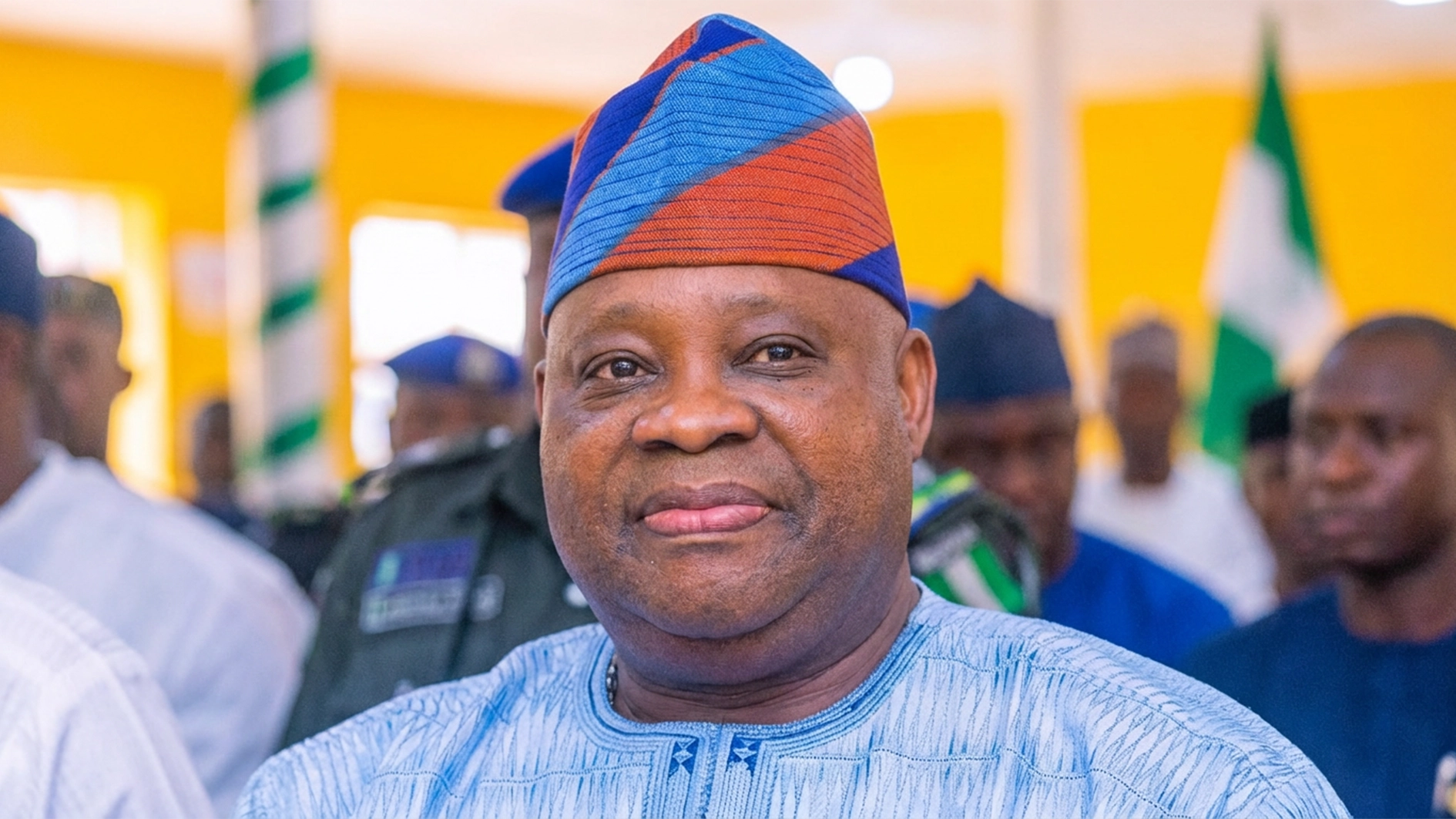
On August 19, a shooting incident occurred when Governor Ademola Adeleke’s entourage, including his nephew and global hip-hop star, David Adeleke, popularly known as Davido, visited the Ataoja of Osogbo, Oba Jimoh Olanipekun Oyetunji, at his palace in Oja Oba, Osogbo.
The incident was followed by the killing of Olalekan Oyeyemi, popularly known as Emir Ajagungbade, around Mayfair Motor Park, Ile-Ife. Oyeyemi, a political appointee of the Adeleke administration, was reportedly killed after attending a meeting with the Commissioner for Transport, Sesan Oyedele, in Modakeke.
His death intensified attention on the activities of transport associations and their alleged links with political interests. Oyeyemi was reportedly being considered for the chairmanship of the proposed Park Management System. That claim, however, has not been independently established.
Police later recovered another corpse near the scene of the killing, while allegations emerged linking another aide to Adeleke, Wakeel Nurudeeen Alowonle, and a transport union member identified simply as Sibi to the incident. Both men denied involvement in a viral video.
Five days after the August 19 incident, two people were reportedly killed at Naira and Kobo Junction, Ikire, in Irewole Local Government Area. The Police subsequently arrested four suspects in connection with the incident.
The suspects were identified by the Commissioner of Police, Ibrahim Zungura, as Sikiru Ademola Adedeji, 21; Olalere Taiwo, 21; Olalere Ademola, 26; and Bankole Abiodun, 20.
Zungura said a police team from the Ikire Division, led by its Divisional Police Officer, Bamidele Olatona, responded to a distress call at the scene when one of the suspects allegedly snatched an AK-47 rifle from a policeman.
Although the Police described the incident as stemming from a factional crisis among transport unions, the development added to concerns about the capacity of violent groups operating around motor parks and other informal commercial structures.
One of the victims, Fatai Shobowale, was reportedly travelling to Bayelsa State when he was killed.
Cultism and the pre-election violence
The post-election incidents have also brought back questions about the killings and attacks recorded before the August 15 election.
The Police had earlier said more than 30 politically related killings were recorded before the poll, amid a series of violent incidents that heightened fears over the possibility of a bloody election.
Although heavy security deployment and the eventual conduct of the election without the widespread breakdown of order feared by many helped prevent a larger crisis, questions remain about the identity and motivation of some of the violent groups involved in the pre-election incidents.
The distinction is important because political thuggery, cultism, criminal gangs and transport-union disputes can overlap in the field without necessarily being the same phenomenon.
For security agencies, identifying the networks, financing, recruitment channels and sources of weapons behind such groups may therefore be more important than merely responding to individual killings.
Politicians and the motor-park networks
A former Director of the Department of State Services, DSS, and security expert, Akin Adeyi, believes the problem must be traced to its source.
He said the patronage of thugs and criminals by politicians, and the benefits derived from such relationships, had become a major problem, noting that the preparation, conduct and aftermath of the Osun election were all dogged by violence.
Adeyi was particularly concerned about the relationship between politicians and transport-union networks.
“How our politicians have become regular customers of motor garage touts is very disheartening,” he said.
He argued that the solution should include the recovery of illicit weapons from non-state actors, suggesting that a buy-back mechanism could be considered to encourage criminals to surrender illegal arms.
His position raises a broader question about the nature of political mobilisation in Osun: whether conventional party structures are gradually being supplemented, or in some cases displaced, by informal networks capable of delivering both political mobilisation and physical enforcement.
The political dimension has inevitably complicated efforts to address the violence.
The Osun APC Director of Media and Information, Kola Olabisi, urged security agencies to take charge and rein in what he described as terror elements in the state.
He, however, rejected any attempt to associate the APC with the post-election violence, arguing that the Ile-Ife incident was an internal crisis involving transport-union members with political leanings towards the Accord Party.
“Between the last election up to the point the election was held, no fewer than 37 of our members had been killed. We believe in the rule of law and we would not depart from it, which has become our hallmark,” he said.
But the Adeleke administration has equally rejected any suggestion that it encourages violence.
The governor’s Senior Special Assistant on Media, Hezekiah Bamiji Oladele, said Adeleke abhorred violence and had consistently advocated peace.
“Anyone caught involved should be arrested. Our governor has said anyone involved in violence should be picked, even if his child is involved,” he said.
Oladele also placed responsibility on the Police to be proactive in preventing violence and killings.
Meanwhile, the Police Command appears to have identified cultism as a significant component of the emerging security challenge.
The Police Public Relations Officer, Abiodun Ojelabi, said the recent incidents were not necessarily evidence of renewed political violence.
“The pockets of incidents we are seeing in the state are purely cult-related and we are not folding our hands,” he said.
According to him, the Commissioner of Police had directed Area Commanders and Divisional Police Officers to monitor developments in their jurisdictions and work with relevant stakeholders.
He added that maintaining relationships with community stakeholders was important because such relationships could help security agencies obtain information capable of preventing violence.
The Police position is significant because it shifts part of the discussion from electoral politics to organised youth violence and cult-related criminality.
It also raises the question of whether the state is witnessing a transition from election-related violence to a more entrenched form of street-level violence whose perpetrators may no longer require direct political motivation to operate.
A sociology professor at Osun State University, John Agbonifo, said political leaders must publicly condemn violence and killings.
He argued that managing post-election violence should not end with the signing of peace agreements, adding that political actors must educate their supporters about the consequences of violence and publicly disown anyone found to be involved in criminality, regardless of political affiliation.
The Coordinator of Dialogue 365, Waheed Saka, said the political class must accept responsibility for encouraging the proliferation of non-state actors.
Saka accused politicians of arming thugs and other hoodlums, arguing that violence would remain a threat until such practices stopped. The allegation, however, requires evidence on a case-by-case basis.
The immediate task for the authorities, therefore, is not merely to promise arrests after each killing. It is to dismantle the structures that enable such violence to recur.
That includes tracing illegal weapons, investigating cult networks, monitoring motor parks and transport-union disputes, prosecuting those responsible for killings and establishing whether political actors or other influential interests provide financial, logistical or protective support to violent groups.
The state government’s Election Violence Relief Committee, headed by the Speaker of the Osun State House of Assembly, Adewale Egbedun, and the Commission of Enquiry into the Ikire killings are among the measures announced to address the situation.
Adeleke has also directed the Police to investigate the killing of Oyeyemi.
But the effectiveness of these interventions may ultimately depend on whether investigations are allowed to proceed without political interference and whether those found culpable are prosecuted regardless of their political connections.
Beyond the election
The central concern for Osun now is whether the violence associated with political competition can be prevented from becoming a permanent feature of the state’s social and political environment.
The August 15 election has ended, but the networks that operated around the contest did not necessarily disappear with the declaration of the result.
Cult groups, transport-union factions, political thugs and other informal actors operate within a wider environment shaped by unemployment, commercial interests, political patronage and the struggle for control of local spaces.
That makes the challenge bigger than the APC, Accord Party or any other political organisation.
For the Police and other security agencies, the immediate priority is to establish the facts behind the recent killings, identify the perpetrators and recover illicit weapons.
For political leaders, the test is whether they can publicly reject and isolate violent actors even when such individuals may previously have been useful to their political interests.
And for the people of Osun, the larger question is whether political competition can return to the ballot box without allowing the streets, motor parks and informal power structures to become extensions of the political battlefield.
Until that question is answered, the post-election peace in Osun may remain fragile.

