 Follow Us on Google News
 Follow Us on Google Discover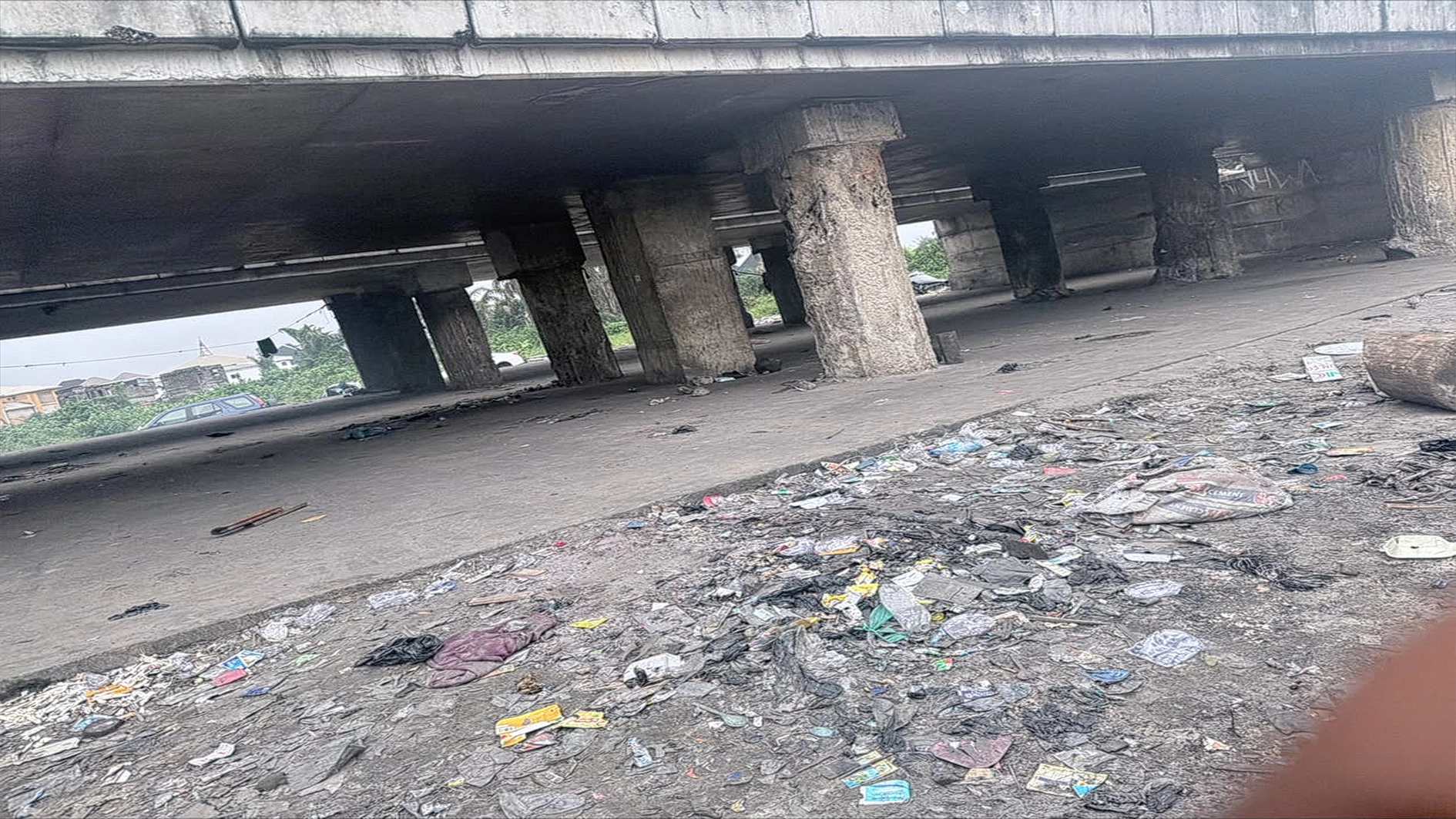
The alleged vandalism of the FESTAC-Alakija Bridge along the Lagos-Badagry Expressway compels a fresh call for seriousness and synergy, not controversy, in the protection, maintenance and management of public infrastructure in the country.
What has been learnt about the claim of vandals stripping iron rods, steel reinforcements and other materials from the bridge, which caused a controversy among the contractor, the government and built-environment professionals, indicates that facts must be established before apportioning blame. The government and other stakeholders should work together.
Based on some images in a recent viral video, the Lagos State government arrested 27 persons in connection with the alleged vandalism of the newly constructed bridge. Angry Governor Babajide Sanwo-Olu warned that vandalism of public infrastructure is a criminal act and it would not be allowed to thrive in Lagos. He assured residents that the structural integrity of the bridge remains intact and that remedial works would be undertaken. However, there was a twist in the narrative when a fact-finding team from the Building and Civil Engineering Professionals Group under the Building Collapse Prevention Guild (BCPG), Amuwo Odofin Cell, questioned the claims that the bridge was vandalised in the manner portrayed in the viral video.
The three-member team, led by the Cell Coordinator, Chubike Okafor, went on an inspection tour of the bridge and investigated the allegation. Its findings raise questions that the Federal Ministry of Works, Lagos State government and the contractor, China Civil Engineering Construction Corporation (CCECC), should clarify to the public.
According to the professionals, in the areas shown in the viral video, including the pile columns supporting the bridge deck and the partially excavated earth fill around the section descending towards the 7th Avenue in FESTAC Town, there is no evidence that the concrete cover of the pile columns has been removed. Rather, the team found that some pile columns had rough and irregular surfaces, requiring proper finishing to improve their appearance and further protect the concrete cover. Workers of CCECC were reportedly carrying out finishing works on the columns when the team first visited.
The professionals also found that excavation behind a reinforced concrete retaining wall had been undertaken by the contractor during maintenance work on the drainage outlets. Afterwards, squatters allegedly excavated additional earth and used it to fill the waterlogged portions of the area to create space for makeshift structures. By the second visit for inspection, significant progress had reportedly been made on the finishing works. The contractor disclosed plans to provide additional concrete protection around the pile columns, while the exposed sections beneath the lower bridge deck were also being prepared for protective works.

These findings do not mean that vandalism and illegal activities have not occurred around the FESTAC-Alakija Bridge to warrant the move by the state government. Indeed when The Guardian visited the area beneath the bridge, it was a disturbing picture of environmental degradation, illegal refuse dumping, open burning of wastes, makeshift structures and insecurity. The critical point, however, is that government must distinguish between actual structural vandalism, construction defects, unfinished works, maintenance activities and damage caused by illegal occupation of infrastructure corridors.
This distinction matters because public confidence depends on transparency. If vandals actually removed critical structural materials, the public deserves to know precisely what was taken, the extent of the damage and the remedial measures being implemented. If some concerns arose from unfinished construction, poor finishing or excavation undertaken during maintenance, the authorities should equally say so clearly. The controversy has also exposed a familiar weakness in Nigeria’s management of public infrastructure. There is poor coordination among government agencies and other stakeholders.
The Federal Government, through the Ministry of Works, has a responsibility for maintenance of major federal roads and bridges. Lagos State has responsibilities for environmental sanitation, security enforcement, physical planning and the management of public spaces within its territory. The contractor has obligations concerning the quality, completion and maintenance of the project. When a major bridge becomes a subject of public alarm, these institutions should not act or speak in isolation. Nigerians need a coordinated technical explanation.
The Federal Ministry of Works should provide a clear engineering assessment of the bridge. The CCECC should clarify the status of the project, including completed works, outstanding finishing, and whether any materials were actually stolen. The Lagos State government should explain its plans for securing and managing the environment around the bridge. Protection of the environment beneath the bridge remains crucial irrespective of whether or not the structural columns were vandalised. A bridge cannot be considered adequately protected when its underside has become a refuge for illegal settlers, including scavengers and refuse collectors who regularly burn wastes to extract metals.
The situation is observed across the country, especially in the cities. Spaces beneath bridges are often abandoned after construction only to be occupied by illegal settlers who turn such places into markets, refuse sites and hideouts for criminal elements. Drainage channels become blocked, refuse accumulate, fires are lit indiscriminately and legitimate members of the public become afraid to enter.
There is need to address this poor infrastructure management. Other countries that have faced similar widespread theft of public properties, including cables, railway components and metals have realised that arresting people found near public infrastructure is not enough. The entire economic chain that makes vandalism profitable must be dismantled. Part of the lesson for Nigeria is that every stolen public property eventually enters a market. There is the person who removes the material, there is the transporter, the middleman, the scrap dealer and, eventually, the recycler or industrial user. Until government follows this entire chain to stop the criminal act, arrests of scavengers only will have limited impact.
Nigeria needs a comprehensive national framework for protecting critical infrastructure. Legitimate scavenging and recycling should be recognised as economic activities, but the industry must be properly regulated. Scrap dealers should be registered and licensed, while major transactions should be documented and traceable. Anyone purchasing suspected public infrastructure materials should face severe sanctions. Vulnerable bridges, railway lines, electricity installations and other strategic assets should be monitored with technology. CCTV cameras, lighting, drones and regular engineering inspections should become standard features of infrastructure protection.
But technology alone will not solve the problem. The spaces beneath bridges must be actively managed. Clearing squatters and illegal structures should be followed by permanent monitoring by legitimate authorities. Otherwise, the same people will return after enforcement officers leave. Lagos State should consider a special strategy for managing bridge and other infrastructure corridor. The programme should involve relevant state ministries and agencies, including the Kick Against Indiscipline (KAI), Lagos Waste Management Authority (LAWMA), and local governments. When necessary, the police and other relevant federal agencies should also be involved.
The controversy surrounding the FESTAC-Alakija Bridge should be resolved openly. If vandalism occurred, those responsible must be arrested, prosecuted and adequately punished if found guilty. Also, the the criminal network behind them should be exposed. If the viral images partly reflected unfinished works or poor finishing, the necessary thing should be done.

