 Follow Us on Google News
 Follow Us on Google Discover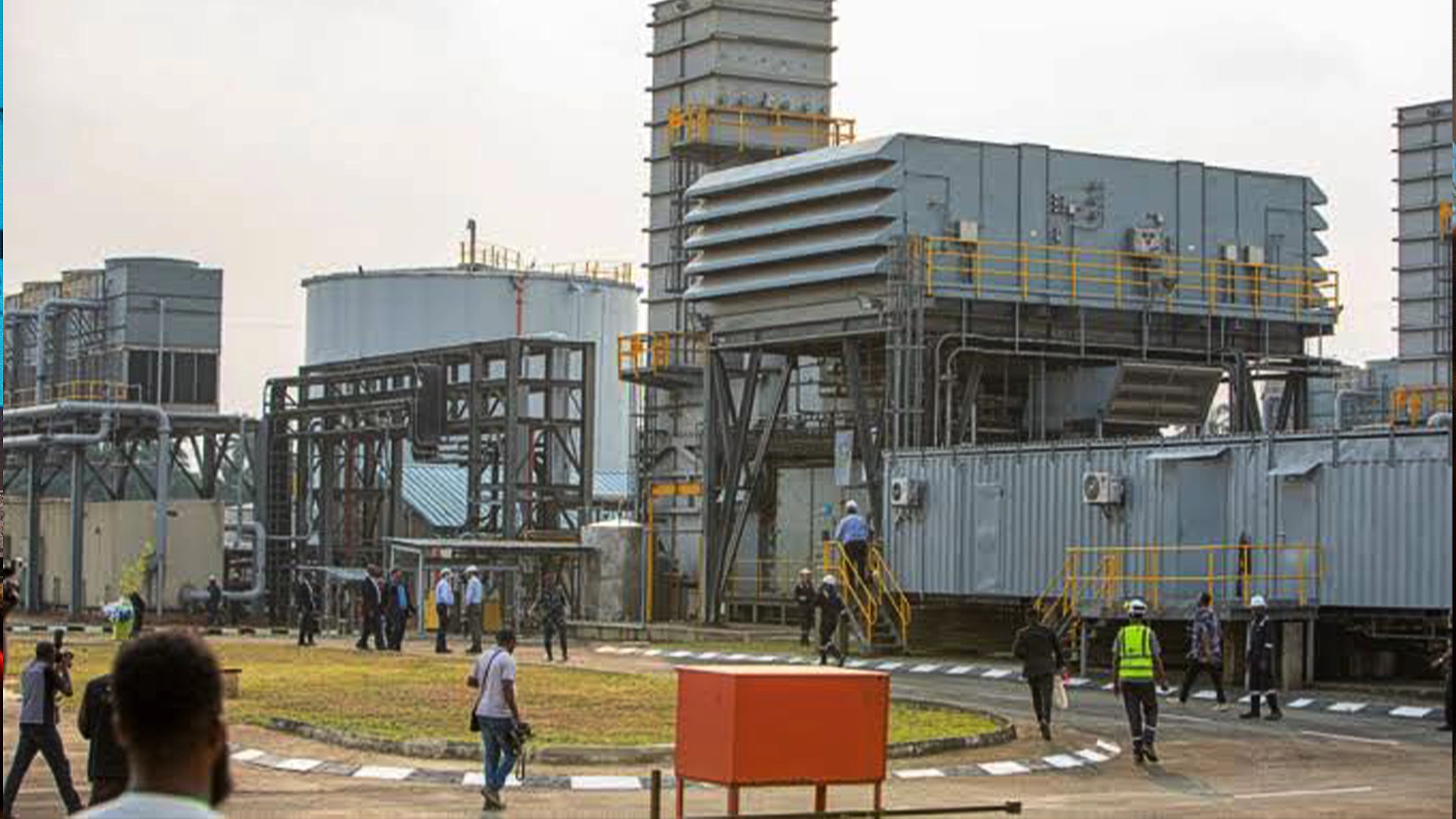
At Fine Potter Nigerian Limited in Aba, the impact of improved electricity supply is showing on the factory floor, where production utilisation has risen from 40 per cent to 75 per cent since the company began operating with electricity supplied by Aba Power.
For the company, which manufactures POP products, the increase means a greater proportion of its installed production capacity is being put to use. It offers a practical illustration of how electricity can help small and medium-sized enterprises (SMEs) get more out of their equipment, organise production and strengthen their businesses.
The experience is being echoed in different ways across Aba, from factories producing industrial materials to the shoe-making workshops and trading businesses clustered around Ariaria International Market. Here, where entrepreneurship has sustained generations of manufacturers and artisans, improved access to electricity is creating fresh opportunities for businesses to power their machines, increase productive activity and serve customers.
At Shoe Plaza in Ariaria, the industrial spirit of Aba is on full display. Rows of businesses produce shoes in volume, drawing on the skills of artisans, designers and manufacturers who have built a thriving footwear trade around locally made products. Beyond individual shops, the market represents a network of small enterprises whose activities span manufacturing, customisation, packaging, branding and distribution.
For these businesses, electricity is an important part of the production process. Machines need power to support manufacturing activities, while workshops depend on a workable operating environment to turn materials into finished products. When electricity is available, artisans and traders have greater scope to concentrate on production rather than spend valuable time managing interruptions.
The chairman of Shoe Plaza, Obioma Onyebuchi who spoke during a visit to the market, acknowledged the efforts of Aba Power in supplying electricity, saying the service had improved, particularly since September 2026.

“Since January 14, when I came here, Aba Power has been trying their best,” he said, describing the improvement in electricity supply as helpful to businesses in the market.
He said the market had experienced a more encouraging supply situation in recent weeks, adding that the electricity had helped traders and manufacturers carry on with their activities.
The benefits are not confined to the larger manufacturing establishments. At Shoe Plaza, the market leadership described a commercial environment where electricity supports the daily work of numerous independent businesses operating under one roof.
With more than 2,000 shops, although not all are occupied, the market provides a base for a large community of traders and artisans. The individual enterprises differ in size and the number of people they employ, but together they form part of Aba’s wider small-business economy.
The importance of these businesses extends beyond the immediate market. Aba’s footwear and leather industry has developed a reputation for producing goods that reach customers outside the city, with entrepreneurs supplying products to other parts of Nigeria and markets beyond the country.
One of the distinctive features of the cluster is its ability to respond to customer preferences. Buyers can commission customised bags and other products, specify their requirements and have goods packaged or prepared for sale through boutiques under different brands.
The process illustrates how local manufacturers can operate across several stages of the value chain, from production to customisation and packaging. It also shows how small businesses can develop commercial relationships with retailers and customers beyond their immediate locations.
The market’s manufacturing culture is built around practical skills and the ability to reproduce designs, adapt products and respond to demand. Artisans draw on accumulated experience to turn designs into finished footwear, while the concentration of related businesses allows different parts of the production and trading process to operate within the same commercial environment.
Reliable electricity can support this activity by providing a more predictable source of power for equipment and the daily operations of workshops. For businesses producing in volume, greater consistency in electricity supply can help them organise production and make better use of working hours.
A representative of the market leadership explained that when electricity is available, traders and artisans are more motivated to work, while interruptions can leave activities unfinished.
“When there is light, even when you just enter your shop, you will be motivated to work but when there is no light, you will see the work you have to do. You abandon it.”
His observation captures the practical value of electricity to small businesses whose output depends on the time available for production. The ability to continue working when orders need attention can be important for artisans serving customers who expect products to be delivered within agreed periods.
The market’s experience adds another dimension to the gains being reported by manufacturers operating with electricity from the Geometric Power project. While industrial plants benefit from the ability to run machinery more consistently, smaller workshops and trading businesses gain from having electricity available to support the everyday activities on which their livelihoods depend.
At Dansen Industries, a shoe-accessories manufacturer in the Osisioma Industrial Area of Aba, the company’s chairman, David Madueke, said electricity supply had improved operations and that he no longer used diesel to power the factory.
The company, which had operated for about one year and three months at the time of the interview, employed approximately 35 workers and used seven machines to support production. Its workers were organised into shifts according to demand.
For a relatively young manufacturer, moving away from routine diesel generation represents a practical operational gain. Rather than depending on a privately operated generator to power its factory, the company can use electricity supplied through the local network.
The experience also demonstrates the relationship between electricity infrastructure and employment. The factory’s machines support production activities carried out by its workforce, while a more dependable source of power offers a basis for organising work around the needs of the business.
At Fine Potter, the increase in production utilisation from 40 per cent to 75 per cent provides another measure of how electricity availability can help a manufacturer use more of its installed capacity.
The company’s manager, Aneke Vivian, said Fine Potter had relied on Aba Power from the beginning of production and had not used diesel generators for its operations. She attributed the rise in production utilisation to the electricity supply.
For manufacturers, making fuller use of existing equipment can be an important step towards increasing output before undertaking fresh capital investment. When machines can operate more consistently, businesses have greater scope to organise their production processes around available capacity and customer demand.
These accounts offer a window into the wider economic significance of the Geometric Power project, which was conceived to address Aba’s electricity challenges through an integrated generation and distribution system serving the city and surrounding communities.
The journey from conception to operation was long. The project faced years of delays, including a seven-year period during which the company maintained its facilities and staff but could not commence operations.
A major turning point came in 2021, when the African Export-Import Bank (Afreximbank) provided a $50 million term loan facility to support the completion of the project. The financing helped fund outstanding generation and distribution infrastructure, the gas supply pipeline and the commencement of operations.
The 141-megawatt Aba Integrated Power Project was commissioned in February 2024, bringing a long-delayed infrastructure investment into operation.
Geometric Power Aba Limited operates the generation plant, while APL Electric Company Limited, popularly known as Aba Power, distributes electricity within the project’s designated service area. The arrangement links local generation to businesses and other customers in the area served by the project.
Afreximbank’s financing was significant because electricity infrastructure is closely linked to the ability of businesses to produce goods, create employment and participate in trade. In an industrial centre such as Aba, where many enterprises operate on a relatively small scale, access to dependable power can influence how effectively they use their equipment and organise their activities.
The gains emerging from the project are best understood through the experiences of the businesses using the electricity. Fine Potter reports higher production utilisation, Dansen Industries says it has stopped using diesel to power its factory, and Shoe Plaza’s leadership describes improved electricity supply as helpful to the market’s manufacturing and trading activities.
The experiences are different, reflecting the varied needs of factories, workshops and commercial enterprises. But they point to a common requirement: electricity that supports productive work
For Shoe Plaza, the importance of that requirement lies in the scale and diversity of its small-business community. Its manufacturers and traders form part of a wider network that connects artisans, suppliers, distributors, boutiques and customers. Supporting the activities of these enterprises has implications beyond the walls of individual shops, particularly where locally produced goods are sold in other cities and markets.
Aba’s manufacturing ecosystem has long relied on the initiative of entrepreneurs who build businesses around practical skills and local demand. The footwear cluster demonstrates how small enterprises can specialise in different stages of production and trade, while the wider industrial area hosts businesses making products for other sectors.
Improved electricity supply can support these activities by making it easier to plan work and operate machinery. However, the extent to which the gains translate into sustained expansion will depend on the consistency of supply and the ability of businesses to maintain productive operations over time.

