 Follow Us on Google News


 Follow Us on Google Discover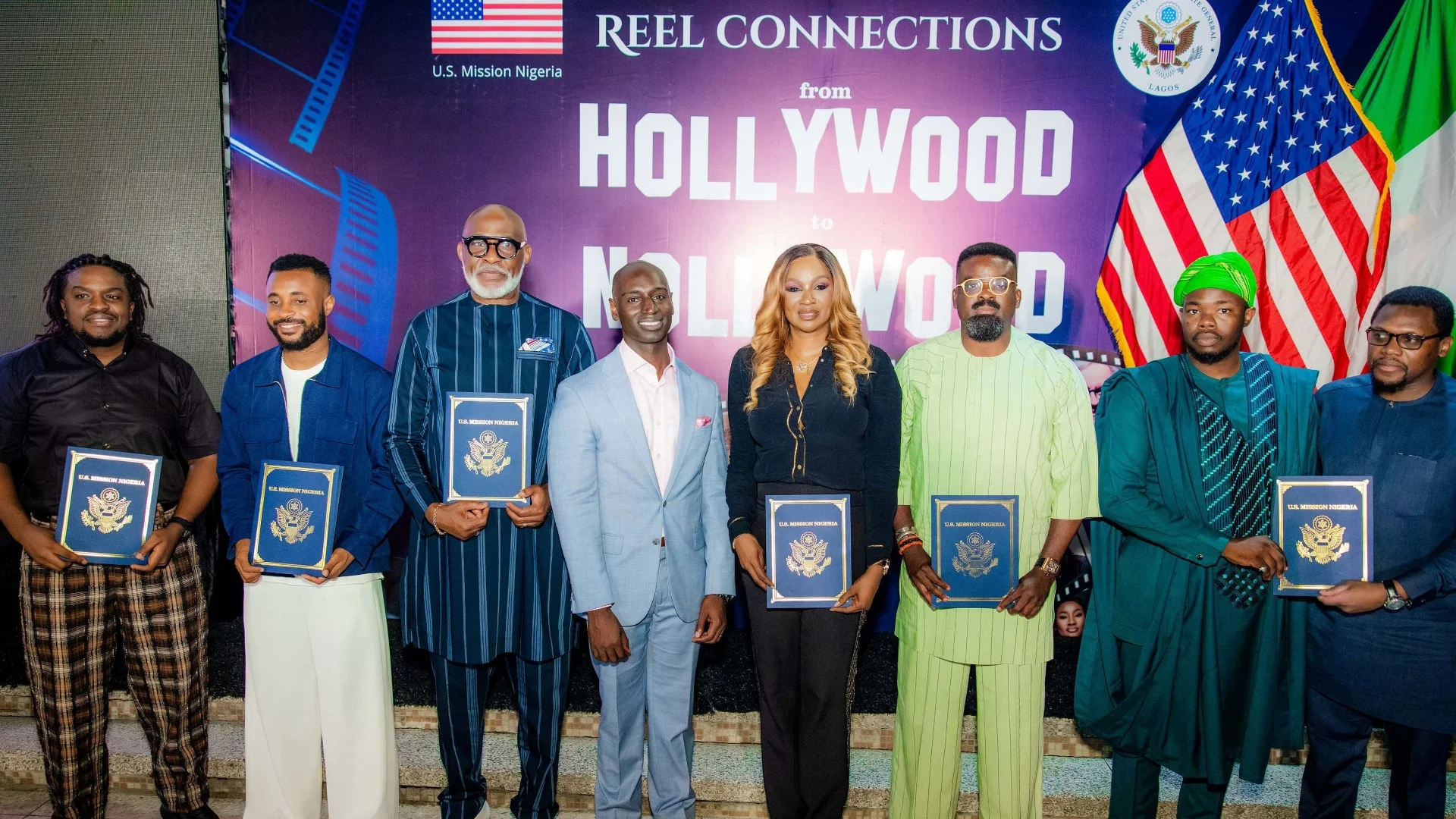
The United States Consulate General in Lagos has recognised leading figures in Nigeria’s film and television industry for their contributions to strengthening creative and professional relationships between Nollywood and Hollywood.
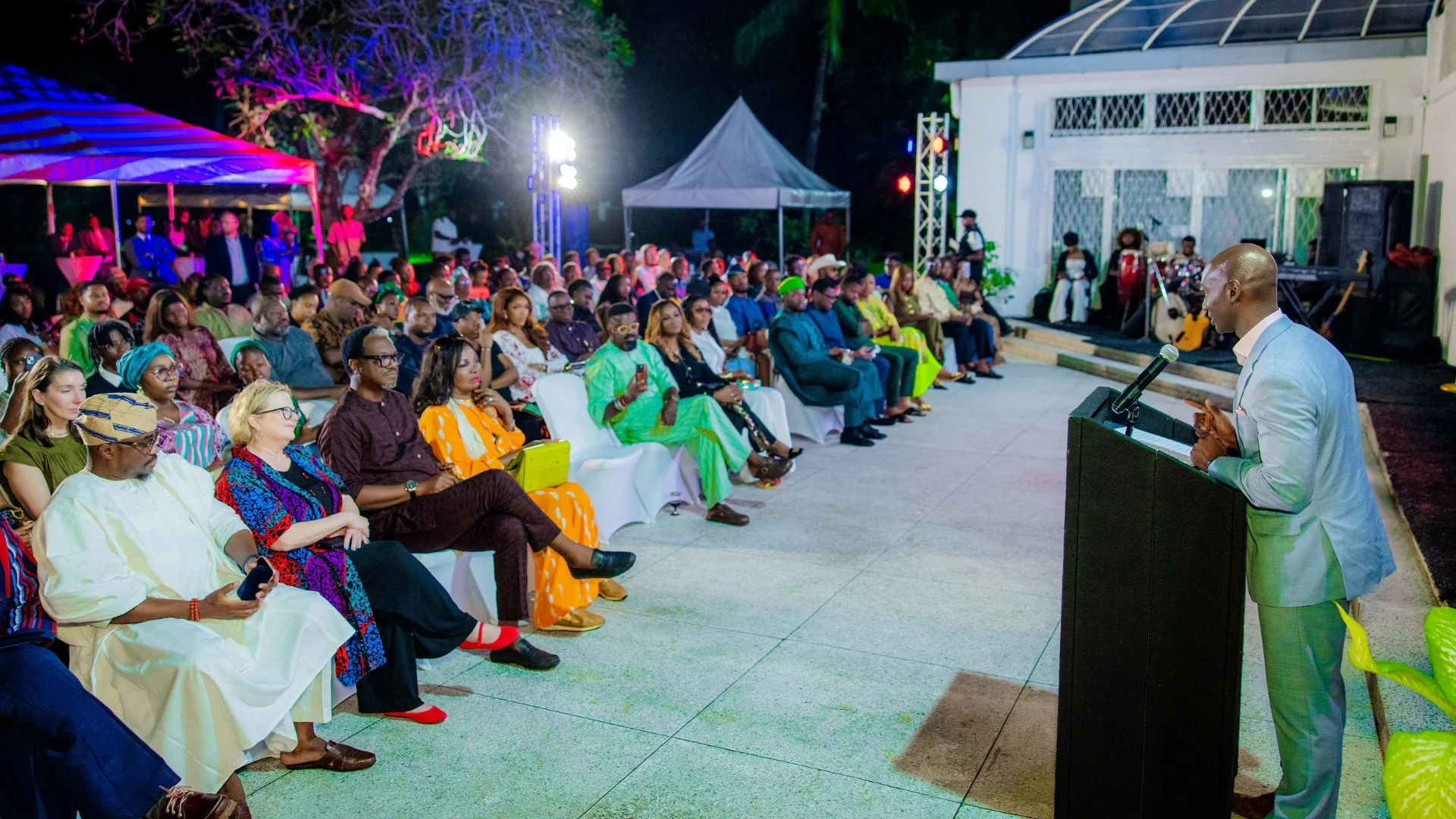
The recognition took place at a reception themed “Reel Connections from Hollywood to Nollywood”, which brought together filmmakers, actors, producers, government officials, creative industry stakeholders and alumni of US government exchange programmes.
According to the consulate, the event celebrated Nigerian creative professionals whose work has contributed to international collaborations, professional exchanges and the growing visibility of Nigerian film and television productions beyond the country’s borders.
Among those recognised were Olu Jacobs, Richard Mofe-Damijo, Kunle Afolayan, Bolanle Austen-Peters, Chioma Ude, Zulu Oyibo, Josh Olaoluwa and Uzoma Dunkwu.
The consulate said the recognition reflected the increasing importance of Nigeria’s entertainment industry in international creative partnerships and the role of professional networks in connecting Nigerian talent with opportunities in the United States.
Speaking at the event, the US Consul General in Lagos, Brandon Hudspeth, described Nollywood as an increasingly important source of creative talent, content and potential investment opportunities for American companies seeking to engage with African markets.

He noted that Nigerian productions and creative professionals were reaching audiences outside the country through international streaming and digital distribution platforms.
Hudspeth identified Netflix, Amazon Prime Video, Apple TV+ and YouTube among the platforms contributing to the international circulation of Nigerian content.
According to him, these developments have created opportunities for collaboration, investment and greater access to audiences.
The consul general also emphasised the role of cultural and professional exchanges in developing relationships between creative professionals in Nigeria and the United States.
The engagement between the two industries has extended beyond the distribution of completed films to include training, production partnerships, professional development and the exchange of technical expertise.
For Nigerian filmmakers, such connections can provide access to wider professional networks and opportunities to develop projects for audiences across different markets.
A major highlight of the reception was the presentation of a Creative Industry Legend Award in honour of veteran actor Olu Jacobs. Jacobs passed away in September at the age of 84.
The consulate’s statement described the award as posthumous and said the actor’s sons received it on behalf of the family.
Jacobs was recognised for a career spanning more than five decades, during which he established himself as a prominent figure in Nigerian film, television and theatre.
His professional journey included work in international productions before his extensive involvement in Nigeria’s entertainment industry.
The consulate said his career represented an important connection between Nigerian acting talent and international film and television.
Presenting the recognition, Hudspeth described Jacobs as one of Nigeria’s most celebrated actors and acknowledged his contribution to the development of Nigerian cinema.
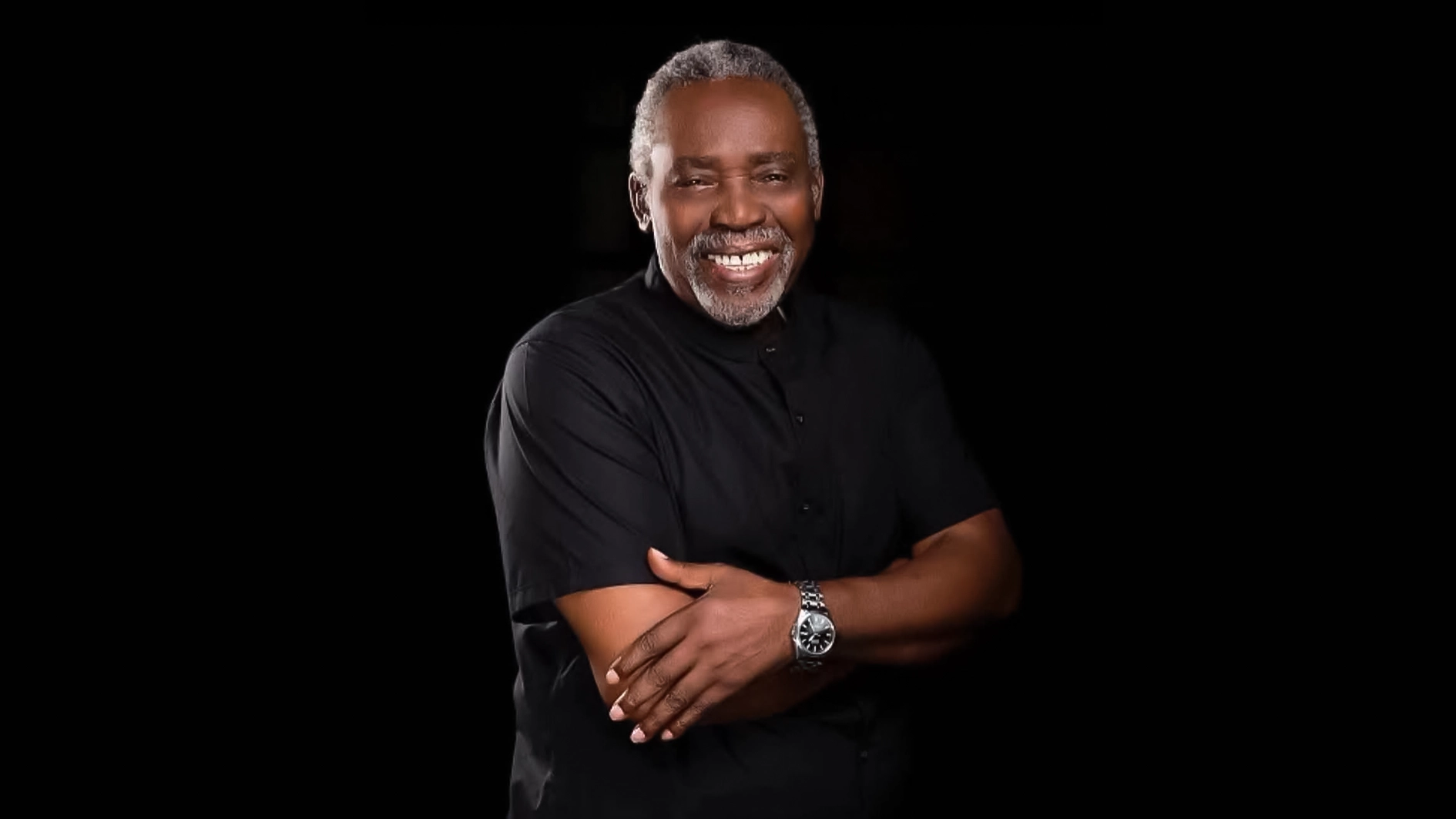
“Olu Jacobs’ life embodied the kind of creative exchange that continues to connect Nigeria’s film industry with the United States and the world,” the consul general said.
The recognition highlighted the influence of earlier generations of performers whose careers crossed national boundaries and helped demonstrate the international potential of Nigerian acting talent.
Other creative professionals recognised at the reception included actor Richard Mofe-Damijo, popularly known as RMD.
The consulate identified Mofe-Damijo as an alumnus of the International Visitor Leadership Program (IVLP), one of the US government’s professional exchange initiatives.
Filmmaker Kunle Afolayan and producer and director Bolanle Austen-Peters were also honoured.
Both were identified as alumni of the American Film Showcase’s African Film and Television Leadership Initiative.
Afolayan has built a career in filmmaking, while Austen-Peters has worked across film, theatre and other areas of creative production.
Their recognition formed part of the consulate’s emphasis on the contribution of Nigerian filmmakers to the industry’s development and its international relationships.
The reception also recognised Chioma Ude, founder and executive director of the Africa International Film Festival (AFRIFF).
AFRIFF has provided a platform for film screenings, industry conversations and engagement among filmmakers and other professionals.
Through such activities, film festivals can contribute to the exchange of ideas and create opportunities for filmmakers to connect with potential collaborators.
Zulumoke ‘Zulu’ Oyibo, co-founder of Inkblot Productions, was among the creative industry figures recognised by the US Consulate.
The consulate identified Oyibo as an alumnus of the International Visitor Leadership Program.
Also honoured was producer Josh Olaoluwa, who was identified as an alumnus of Global Media Makers, a professional exchange initiative involving filmmakers and creative professionals.
Emmy Award-winning visual development artist Uzoma Dunkwu was recognised for work in the creative industry.
The selection of honourees extended beyond acting and directing to include film production, festival development and visual artistry.
It also highlighted the different professional roles involved in developing film and television projects for local and international audiences.
The US Consulate said American government exchange programmes had contributed to the development of professional relationships between Nigerian and American filmmakers.
Among the initiatives highlighted were the American Film Showcase, Global Media Makers and the International Visitor Leadership Program.
These programmes provide opportunities for participants to engage with professionals, institutions and organisations in the United States.
According to the consulate, the value of such exchanges extends beyond the period participants spend abroad.
“US government exchange programs are not simply about what happens during the exchange,” Hudspeth said.
“Their real impact is what happens when participants return home, the relationships they bring with them, the ideas they put into action, the creative collaborations they build, and the next generation they inspire.”
The consul general’s remarks placed emphasis on the potential for exchange participants to apply their experiences within Nigeria’s creative sector.
Professional exchanges can support skills development, introduce participants to different production practices and establish contacts that may contribute to future collaborations.
However, the statement did not provide figures showing the number of Nigerian creative professionals who have participated in the programmes or the commercial value of projects developed through them.
The recognition comes amid continuing interest in the international distribution and commercial potential of Nigerian film and television.
Digital platforms have expanded the channels through which Nigerian productions can reach audiences beyond domestic cinema and television markets.
For filmmakers and producers, international distribution can create opportunities to engage with audiences, investors and production partners in different countries.
However, access to global platforms does not automatically translate into sustainable revenue for every producer.
Financing, production infrastructure, intellectual property protection and the terms of distribution agreements remain important considerations for creative businesses.
As Nollywood continues to engage with international markets, industry stakeholders face the challenge of converting visibility and professional connections into commercially sustainable opportunities.
The US Consulate said its recognition of Nigerian creative professionals reflected the importance of partnerships, exchanges and collaboration in strengthening relationships between the two entertainment industries.
For the honourees, the reception acknowledged their contributions to film, television and the wider creative ecosystem.
For the industry, it also drew attention to the role of international networks in supporting the development and distribution of Nigerian stories.

