 Follow Us on Google News


 Follow Us on Google Discover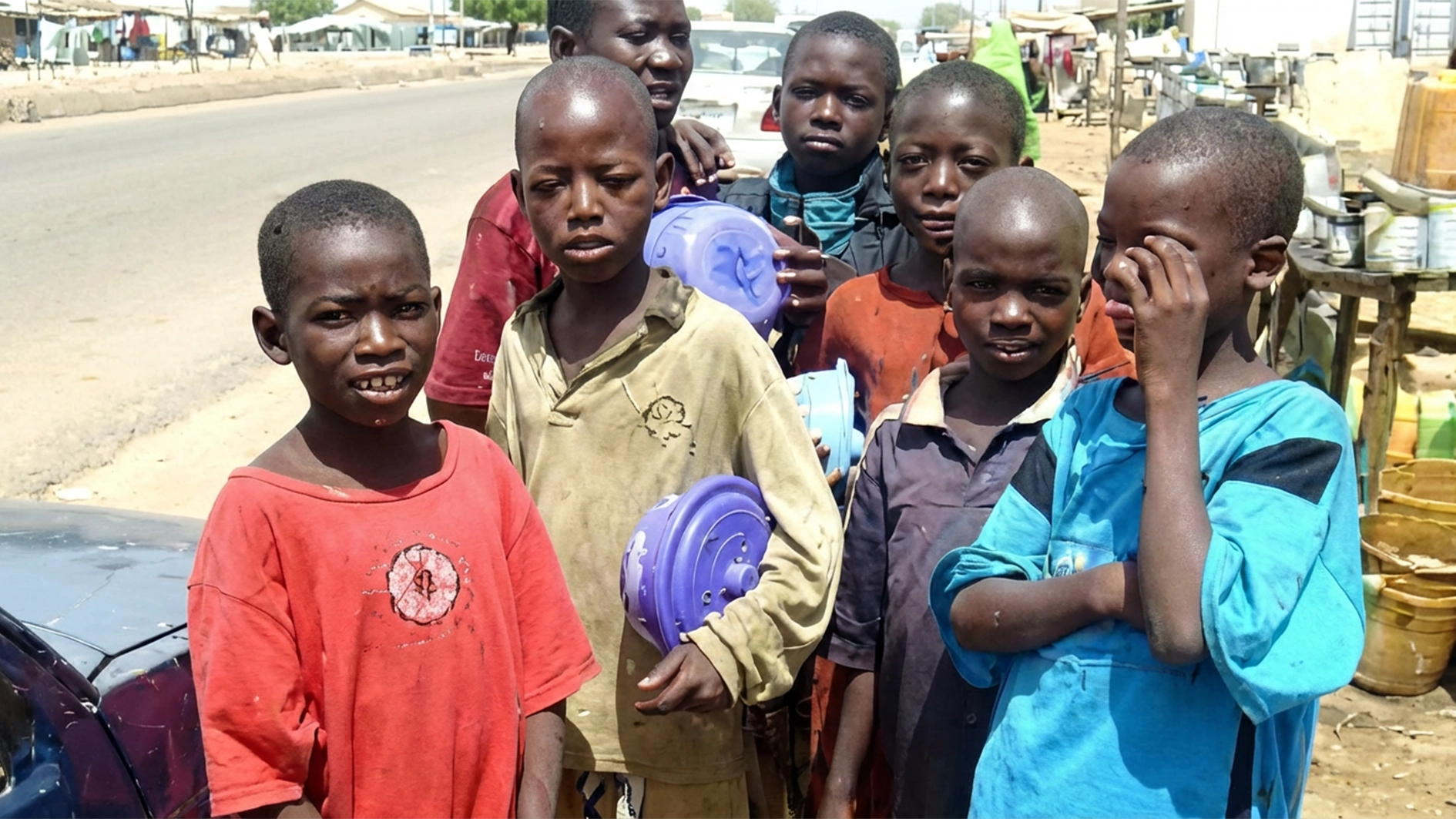
A non-governmental organisation, Engage Youth Africa Initiative (EYAI), has urged state governments to establish more support centres for vulnerable children, including those who are homeless, abused, out-of-school, or battling mental health challenges.
The Community Manager, Bukola Balogun, who made the call during a mental health outreach held at the Children Correctional Centre for Girls, Idi-Araba, Lagos, in commemoration of World Mental Health Day, said the programme was designed to remind the girls that their voices, emotions and personal experiences matter.
Balogun pointed out that children in correctional centres should not be defined by their past experiences or circumstances, but should be encouraged to recognise their potentials and work towards a better future.
She appealed to governors and relevant ministries to prioritise the interests of vulnerable children by providing dedicated facilities where they can receive care, education and skills development.
Balogun noted that many children are homeless and roam the streets, while others have suffered abuse, are mentally unstable or are out of school, with various challenges that require structured support.
With the serene environment and opportunities available at the centre, Balogun said the inmates could develop educationally and acquire useful skills.

Balogun added that if similar facilities are replicated across states, vulnerable children outside correctional centres could also have opportunities to develop their potential.
She called on other organisations and groups to support vulnerable children through regular visits, educational programmes and awareness initiatives, stressing that such interventions should focus on empowerment, rather than pity.
Also speaking at the event, a psycho-educator, Mudashiru Sewanu, said the outreach aimed to help the children understand their experiences and learn to seek help from appropriate sources when faced with emotional or psychological challenges.
Sewanu said while adults may have a better chance of identifying where to seek assistance, not everyone has the knowledge or ability to navigate mental health difficulties.
He stressed the need for a structured system that would make mental health support accessible to children and other vulnerable persons, including those living on the streets.
He also called for the development of a curriculum and clear referral pathways to ensure that persons experiencing mental health challenges can be identified and directed to appropriate support services.
Sewanu advocated the integration of mental health education into everyday life, explaining that ordinary experiences and activities could affect psychological well-being, while greater public awareness would help people recognise challenges, when and where to seek professional assistance.
On his part, the Coordinator of Inspire Growth Alliance, a non-governmental organisation, Innocent Mbanaso, said the group, which focuses on emotional wellness and mental health education, will continue to organise outreach programmes and sensitisation activities in schools and correctional centres.
He described mental health as a serious issue that requires sustained attention and urged organisations to remain consistent in their advocacy to encourage greater government involvement.

