 Follow Us on Google News


 Follow Us on Google Discover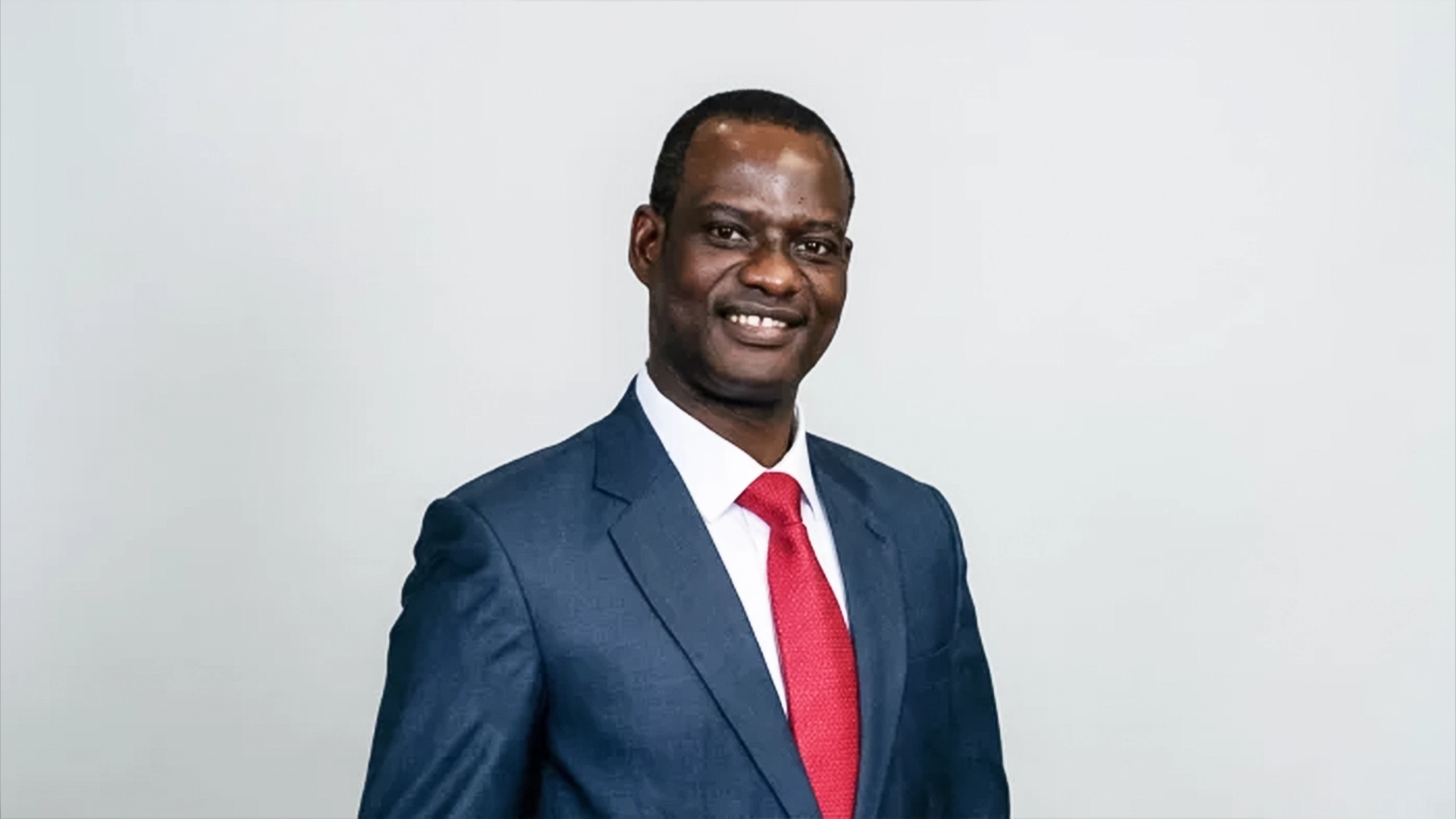
IMF cautions against fuel subsidies, recommends targeted support
Minister of Finance and Coordinating Minister of the Economy, Taiwo Oyedele, yesterday unveiled a plan for a suite of fiscal reforms covering power, agriculture, regulation, inflation and data management, insisting that Nigeria “cannot power a $1 trillion economy in darkness”.
Renowned economist and former expert at the Bretton Woods institutions, Dr Ifediora Amobi, described the minister’s economic policy expertise as a national blessing, urging the Federal Government to sustain its reforms while ensuring that their benefits reach ordinary Nigerians.
Oyedele, at the Nigerian Investors’ Forum on the sidelines of the ongoing International Monetary Fund (IMF)/World Bank Annual Meetings in Bangkok, Thailand, also acknowledged the growing burden of the working poor and promised the country would create decent jobs to address the challenge.
The announcement came as the IMF warned governments against returning to blanket fuel subsidies, recommending targeted support to cushion the impact of high energy prices on vulnerable households.
The advisory comes amid growing global concerns over the rising cost of energy and its knock-on effects on general price levels, survival and economic activities.

With petrol prices rising by over 600 per cent following President Bola Tinubu’s removal of the subsidy, the issue has remained a major political debate ahead of Nigeria’s 2027 elections, with former Vice President Atiku Abubakar promising to restore the social scheme if elected.
At a briefing on the IMF’s Fiscal Monitor report, the Director of the IMF’s Fiscal Affairs Department, Rodrigo Valdés, argued that protecting people was not the same as subsidising fuel prices.
“It is, first, fiscally costly. Second, if you look at the pattern of consumption, it is easy to see that subsidy is readily regressive in many places,” he said.
Valdés maintained that governments had more effective tools for addressing the energy-price crisis than restoring blanket subsidies.
“Gasoline could go up. Perhaps, bus fees may be subsidised in a way that is a much better policy at the end of the day than just a blanket subsidy for everybody,” he said.
He also observed that fuel subsidies often prevent demand from adjusting to changing market conditions, potentially worsening price pressures.
The rising cost of energy has heightened concerns about income inequality, pushed more households into poverty and weakened consumer spending.
Speaking on Nigeria’s employment challenge, Oyedele said the government was concerned not just about creating jobs but also about their quality.
“We are clear in our minds that we don’t just need to create jobs; we need to create decent jobs because, officially, our unemployment rate is around five per cent and poverty rate is higher than 50 per cent. So you have a lot of working poor,” he said.
On the power sector, the minister stressed that reliable electricity “is indispensable” to Nigeria’s ambition of building a $1 trillion economy.
AMOBI, a former adviser during the administration of the late President Umaru Yar’Adua and a former professor of Economics at Howard University, said Oyedele’s appointment reflected President Tinubu’s ability to identify professionals with the technical expertise needed to address Nigeria’s economic challenges.
In a statement yesterday, he particularly commended Oyedele’s presentation of the Federal Government’s economic reform scorecard, which outlined the reported fiscal gains, the costs associated with the reforms and the potential economic damage the measures were intended to prevent.
“The reforms were necessary to reposition the Nigerian economy, but the immediate impact on households and businesses cannot be ignored. What is important now is to sustain the reforms while implementing measures that will provide relief and stimulate economic activity,” Amobi said.
He also praised Oyedele’s contribution to the government’s tax reform programme, noting that improved revenue mobilisation, the closure of fiscal loopholes and stronger accountability were essential to building a more resilient economy.
Amobi urged the minister to prioritise sustainable revenue growth, address fiscal leakages and create incentives for private-sector investment.

