 Follow Us on Google News


 Follow Us on Google Discover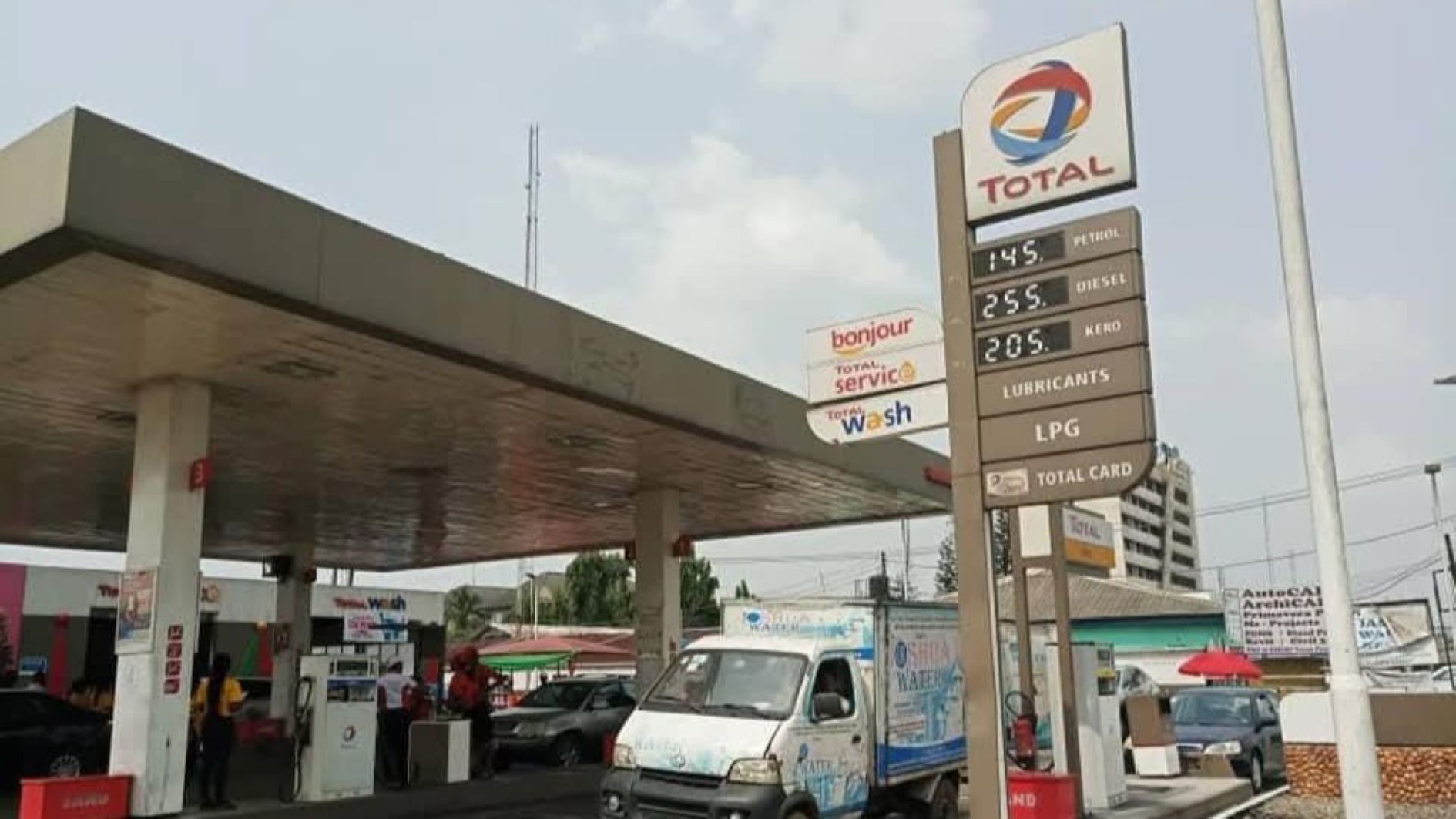
The International Monetary Fund (IMF) warned countries against the comeback of blanket petrol subsidy, advising that target support for could offset the effect of high energy prices.
The advisory comes as global community continues to battle high energy cost and its knock-on effect on general price level.
With post-reform prices rising by over 600 per cent under President BoIa Tinubu, fuel debate has remained a key debate ahead of the 2027 elections with Vice President Atiku Abubakar promising to return the social scheme if he wins the polls.
At a press briefing on the Fiscal Monitor report at the ongoing IMF/World Bank Annual Meetings in Bangkok, Thailand, the Director of the IMF’s Fiscal Affairs Department, Rodrigo Valdés, yesterday, dismissed that “protecting people is not the same as protecting the price of fuels”.
“It is first fiscally very costly. Second, if you look at the pattern of consumption, it is easy to see that that subsidy is readily regressive in many places,” he said.
He insisted that there are better “better tools” to deal with the price crisis than restoring fuel subsidies as advocated by some.

“Gasoline could go up. Perhaps, bus fees may be subsidised in a way that is a much better policy at the end of the day than just a blanket subsidy for everybody,” Furceri said.
He observed that subsidy rarely allows demand to adjust causing the market to “produce a higher price”.

