 Follow Us on Google News


 Follow Us on Google Discover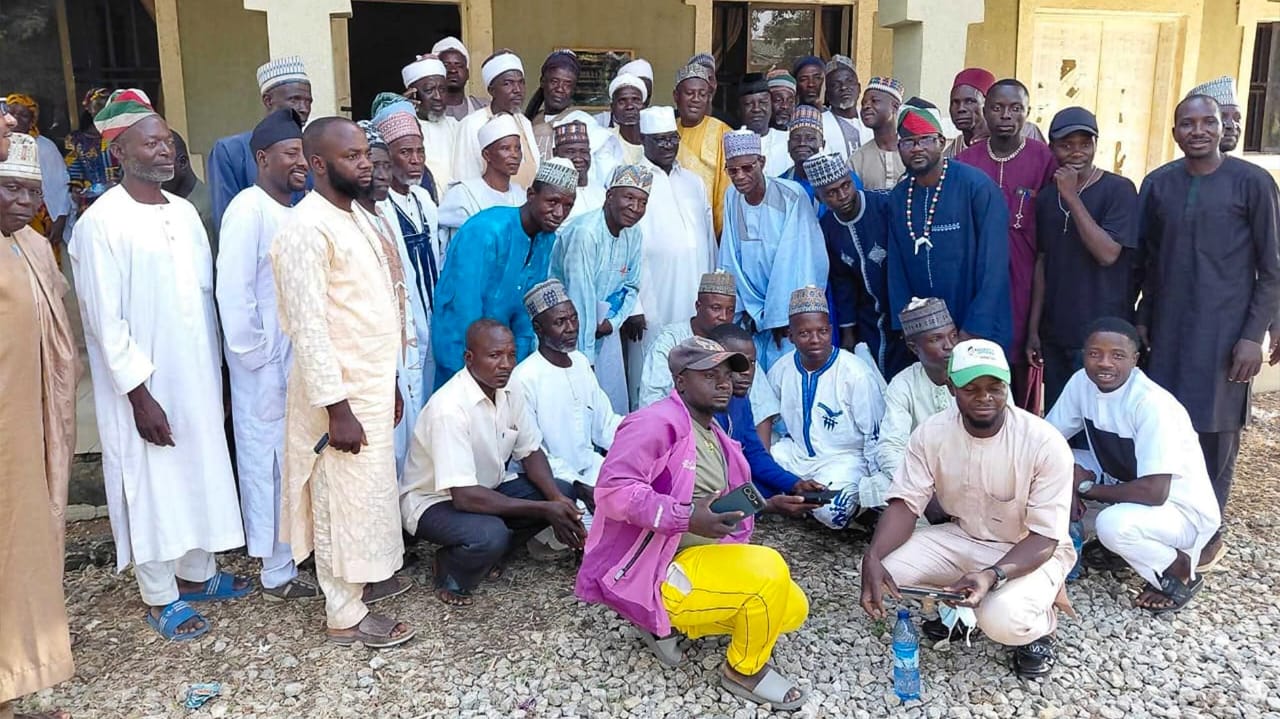
Over 42 minority ethnic groups under the aegis of the Conference of Autochthonous Ethnic Nationalities Community Development Association (CONAECDA) in Bauchi State have demanded political relevance and fair deal in governance.
The Toro local government branch of the group, said that the 42 ethnic nationalities account for over 60 percent of the population in the area but face aged-long marginalisation while
mobilising ethnic nationalities in different parts of the state to advance political development and unity.
The group, during mobilisation of over 42 ethnic groups in Toro local government areas, called for a stronger unity among minority groups to avoid marginalisation in education, politics and territorial aspects of development.
The State Chairman of the group, Hon. Samuel Haruna urged the leaders of different tribes in Toro to be wary of exploitation ahead of the 2027 general elections. He urged them to desist from acts of inducement by petty commodities before voting. According to him, several groups in the state have long been sidelined by other majority groups while major political positions have been far from the reach of the minority groups.
Speaking further, Haruna said that it is time for members of CONAECDA to embrace education, political participation, peace and unity, saying that a journey for future development must commence immediately. “We cannot continue to sit down and watch while our positions are taken away. God created everyone equally, whether you are Christian or Muslim, our Creator decided our faiths, tribes and religion.
“We are going to different places across the state to mobilise our people, to tell them that whoever is seeking their votes in 2027 must state what agenda he or she has for them,” he said.

Also speaking at the gathering, the patron of the group in Toro, Engr. Joshua Titus Sanga, who was the guest speaker, called for stronger unity among minority ethnic groups, further said that the gathering was convened out of the need to promote unity among the people of Toro, which comprises more than 40 tribal groups speaking different dialects and languages.
“We realised that we had been divided for too long. Although the institution has existed for some years, we felt the need to strengthen it, particularly as the state executive leadership is visiting Toro. Our coming together is aimed at exploring ways to work collectively as a local government comprising different ethnic groups and to strengthen our partnership with the state government.
“We are not fighting the Hausa, Fulani or other ethnic groups. We simply want a heterogeneous society in which every ethnic group is recognised and given the opportunity to contribute to development. The Hausa should have their space, the Fulani should have their space, and we should also have our space and a voice in the affairs of the local government.
“We are appealing to ourselves to understand that we are one people. We also need opportunities for our children to grow, secure employment, establish themselves and participate in politics.
We do not want our people to be sidelined. We want a society where every ethnic group can thrive without feeling excluded,” he said.
Ranga added that the group is not adequately represented in politics, saying even when you look at the present situation, “our senator is from Toro Local Government Area, but he is not a tribal person. The commissioner is not from our ethnic group, and the deputy local government chairman is also not one of us.
“Despite our claim that our ethnic groups constitute more than 60 per cent of the tribal population in the area, we feel that we are not adequately represented in the political structure.
“That is why we are calling on the state and local government leadership to give us a voice and create space for our people in governance. We are also indigenous people, and the law recognises our rights.”

