 Follow Us on Google News



 Follow Us on Google Discover
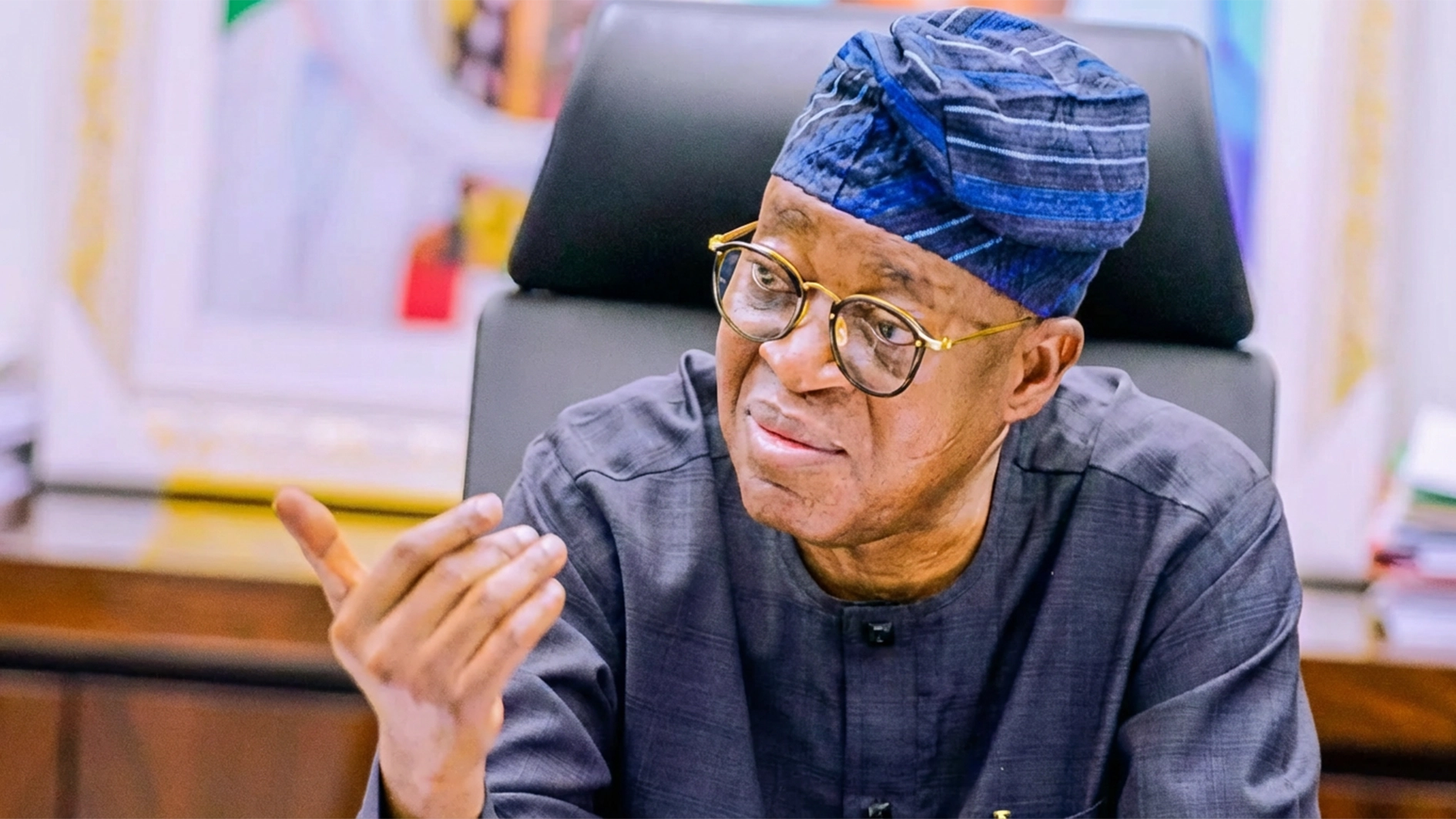
By Cedric Ogwu
Sourcing for innovative finance mechanisms to fuel growth in a country’s Blue Economy sector is not a new initiative in Africa. There are several examples of African nations that have taken advantage of creative funding in order to develop their enormous ocean economy potential. Kenya, Seychelles and Cape Verde are a few examples I want to highlight.
In 2018, Seychelles launched the world’s first sovereign Blue bond worth $15 million. Today, they have become one of Africa’s topmost coastal tourism destinations. Tourists fly in from all over the world into Seychelles, just to experience its wonderful beaches and the beautiful scenery. This alone, directly contributes approximately 25 per cent of the country’s Gross Domestic Product (GDP).
Back in June, Kenya announced the process of an issuance of a green-blue bond. A part of the $300 million generated will be focused on funding sustainable Ocean related industries. The main objective is to attract private investments into Kenya‘s marine and coastal economy, while protecting the environmental resources, creating jobs and strengthening resilience to climate change.
Between 2021 and 2024 Cape Verde launched seven sustainable bonds totaling approximately €40 million. Businesses operating in the Maritime and fishing industries benefited from these bonds. Broadly, the implementation of these bonds have offered Cape Verde the opportunity for further private capital to find its way into their economy.
The 2026 budget for Nigeria’s Ministry of Marine & Blue Economy was approximately $8million. This figure is at least four times smaller than what the Kenyan government budgeted for Blue Economy projects alone ($35million), exclusive of recurrent expenditure. Our Blue Economy sector is estimated to have a potential of over $300 billion. Not only does there seem to be a gargantuan budgetary shortfall, there also seems to be a lack of political will and policy prioritisation.

As Africa’s third largest economy and with 853 kilometers of coastal line, it is almost guaranteed that whatever well thought out funding of our Ocean economy would yield considerable ROI.
This is where the concept of blended Finance should be introduced. Regardless of whatever potential a sector might have there is an extent to which private capital can be involved. The government has a key role in ensuring that the prerequisites needed for such private capital to thrive are established.
For example, the channels in our inland waterways need to be dredged so as to allow for free movement of badges, small boats and lighter vessels. This creates room for more investments in the ecosystem.
Ensuring that this happens can give birth to investments in river ports, warehouses, and economic free zones along that inland waterway, boosting inter and intra trade and facilitating importation and exportation of goods and services.
Conversations around finding a viable alternative to financing should dominate the hallways of government buildings and local development finance institutions. The major stakeholders need to realise that there is a huge knowledge gap in understanding what needs to be done and what it will take to get it done.
Capacity building amongst government agencies, ministries and departments needs to take the front burner. Local development finance institutions need to understand the difference between what constitutes “blue” from already existing green frameworks. Training for regulatory agencies on what falls within the boundaries of sustainability should be prioritised. Subnationals should be ready to de-risk project pipelines in order to invite private capital. There should be tangible political will from elected office holders in diversifying Nigeria‘s economy and reducing dependence on oil and gas, understanding that the blue economy offers a more sustainable pathway to wealth creation.
Lastly, Nigeria should position itself to receive as much aid from international donors and foreign partners that champion investments in the Ocean economy. As laudable as the West Africa Sustainable Ocean Programme (WASOP) is, there is so much work to be done and so many other areas to highlight, that the programme alone cannot tackle. The EU funded programme has a budget of €59 million for 13 West African countries to be implemented over a period of three years. The volume of work alone that needs to be done in Nigeria will require technical assistance worth almost half that budget.
It is not entirely a bleak situation, recently there have been MoU’s put in place where Nigeria‘s federal government and private investors plan to revitalise and modernise Nigeria’s seaports. However, upgrading port infrastructure is a fraction of what needs to be done. It is our collective hope that the other parts of the blue economy will be given as much attention.
Ogwu wrote on the Blue Economy, Political Economy and Technology. He can be reached at [email protected]

