 Follow Us on Google News



 Follow Us on Google Discover
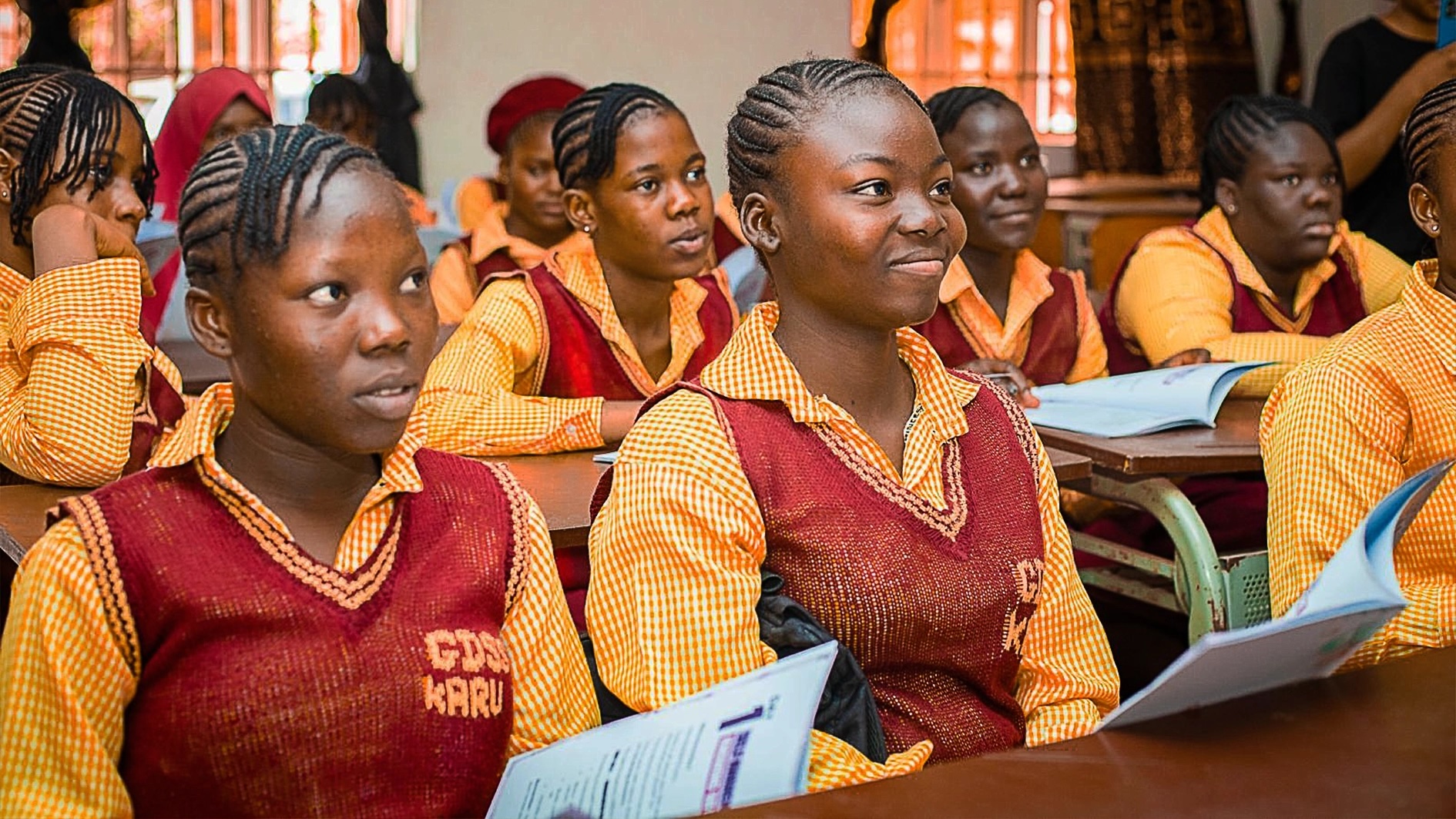
The United Nations Children’s Fund (UNICEF) has warned that Nigeria’s girls’ education crisis extends beyond school enrolment, disclosing that nearly three-quarters of girls lack foundational literacy and numeracy skills. At the same time, one in four remains out of school.
The agency said poverty, insecurity, unsafe learning environments and harmful cultural practices were preventing millions of girls from accessing quality education, warning that the consequences included child marriage, adolescent pregnancy and gender-based violence.
UNICEF Education Officer in Abuja, Blessing Afuwai, raised the concerns yesterday during the 2026 commemoration of the International Day of the Girl Child, organised by the Federal Ministry of Education in Abuja.
Afuwai said expanding access to education had yet to guarantee that Nigerian girls acquired the knowledge and skills needed to secure employment, achieve economic independence and participate meaningfully in society.
She explained that financial constraints forced some families to withdraw their daughters from school or deny them educational opportunities, while insecurity and inadequate learning environments further weakened girls’ chances of completing their education.
“When girls are denied opportunities to learn and develop skills, their prospects for employment, economic empowerment and meaningful participation in society are significantly diminished,” she said.

The UNICEF official stressed that the realities confronting millions of girls fell short of their aspirations, calling on the government, communities and development partners to close the gap between educational commitments and outcomes.
She reaffirmed UNICEF’s commitment to supporting the Federal Government in ensuring that every girl enrols in school, acquires relevant skills, and completes her education.
The agency also pledged continued collaboration with the government to advance inclusive and quality education through the Nigeria Education Sector Renewal Initiative, launched by the Minister of Education, Dr Tunji Alausa.
Responding to the concerns, the Federal Ministry of Education pledged to strengthen policies and programmes to improve girls’ enrolment, retention, transition and completion rates.
The ministry’s Permanent Secretary, Dr Olatunji-David Folake, said the government was implementing the National Policy on Gender Education while collaborating with development partners and non-governmental organisations to expand safe learning spaces, provide menstrual hygiene support and offer scholarships to girls.
She said the government was pursuing an integrated approach that combines education with health, protection and empowerment to address the multiple barriers preventing girls from realising their potential.
According to her, initiatives such as the Adolescent Girls Initiative for Learning and Empowerment (AGILE) and the Lumina Project for Girls are part of ongoing efforts to improve educational opportunities and equip girls with the skills needed to thrive.

