 Follow Us on Google News



 Follow Us on Google Discover
ADC campaign knocks Oyedele over N4,000/$ fuel subsidy warning
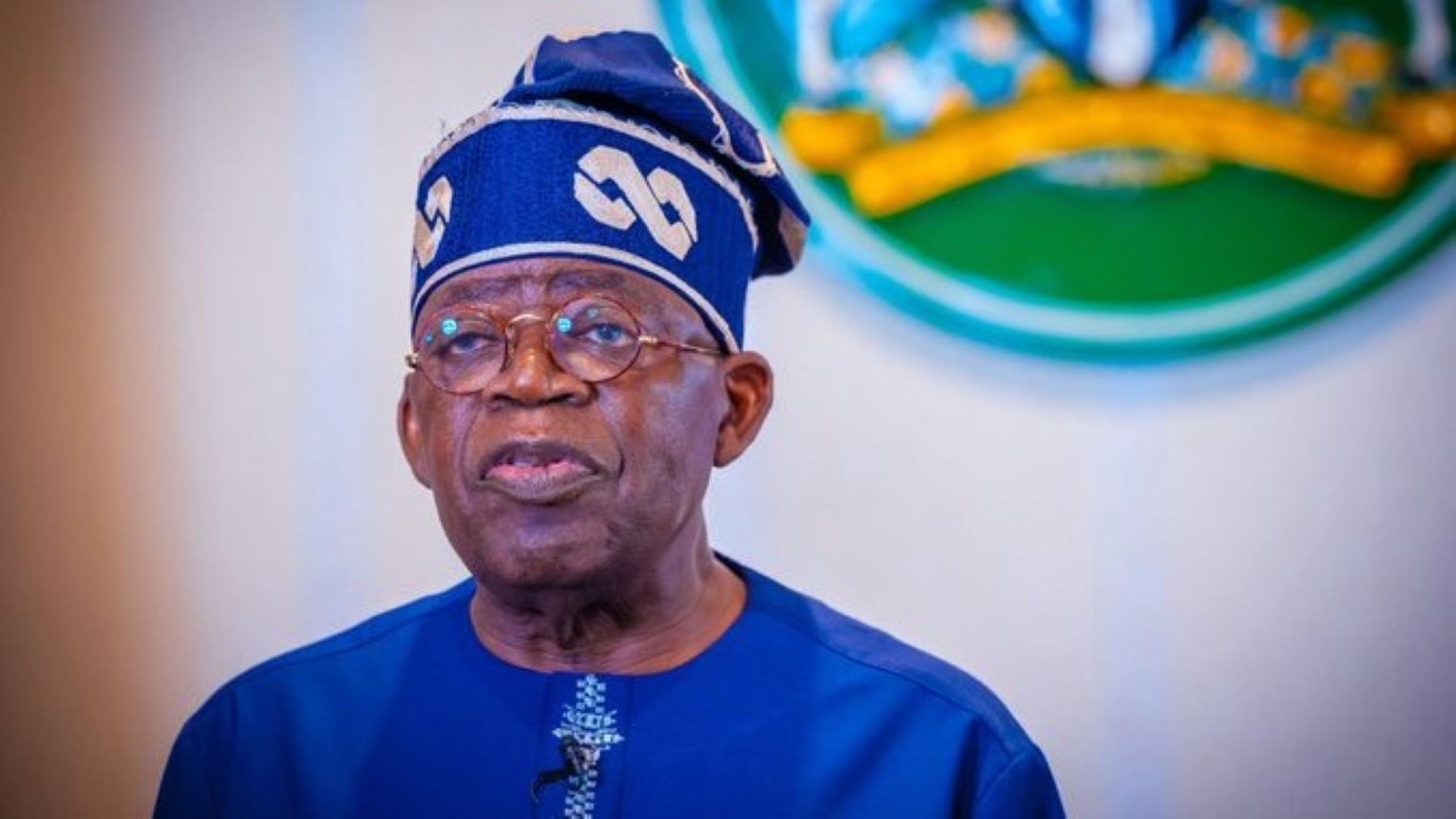
President Bola Tinubu has declared that he has no regrets over the removal of petrol subsidy and other economic reforms introduced by his administration, insisting that Nigeria could not borrow its way to greatness.
Meanwhile, the Minister of Finance and Coordinating Minister of the Economy, Taiwo Oyedele, has warned Nigerians against returning to petrol subsidy. He said the backtrack could trigger capital flight, undermining investor confidence and pushing the naira to N3,000, N3,500 or even N4,000 per dollar.
But the Director of Media and Publicity of the African Democratic Congress (ADC) Presidential Campaign Council (PCC), Kola Ologbondiyan, challenged Oyedele to publish the economic model behind his warning that a return to fuel subsidy could push the naira to N4,000 per dollar.
The President spoke yesterday at the City Boys Movement retreat in Abuja, where he charged members of the group to mobilise support for his administration ahead of the 2027 general elections, insisting that the country’s future mattered more than the ambition of any individual candidate.
“No regrets,” Tinubu said, insisting that his administration would not be pushed back from its reform agenda.

He took a swipe at his political opponents, promising to restore the petrol subsidy, saying Nigeria could no longer afford to pay the fuel subsidy, and warning that reversing the policy would take the country back to an unsustainable economic path.
Defending his decision to remove the subsidy on his first day in office, Tinubu said the country was on the verge of financial collapse and could no longer afford the policy’s cost.
Tinubu also sought to reassure Nigerians about the direction of the economy, arguing that growth was steady and that the sacrifices associated with his reforms would ultimately offer citizens a future worth believing in.
OYEDELE disclosed at a press briefing of the International Monetary Fund (IMF) and World Bank Annual Meetings in Bangkok, Thailand, yesterday, that investors had repeatedly questioned whether the government would abandon its reforms ahead of the next election cycle.
Ruling out the reversal of the government’s economic reforms, he maintained that any signal that Tinubu’s administration was contemplating or reinstating the subsidy would immediately affect financial markets, raise borrowing costs and worsen economic pressures on households.
“In all the meetings I have had, I came to a conclusion that the markets, including the domestic market, which you can read from the capital market, and the international market, have largely written off the opposition in Nigeria as unserious.
“If, for any reason, the President were to say we are merely considering the return of fuel subsidy, capital would react immediately, airfares would struggle, the naira would come under severe pressure, potentially moving towards 3,000, 3,500 or even 4,000.
The very fuel people want subsidised would become far more expensive in naira terms,” Oyedele warned.
HOWEVER, Ologbondiyan accused the Federal Government of using fear to discourage debate on fuel subsidy, insisting that Nigerians deserve evidence, not alarming projections, on the potential economic consequences of restoring the policy.
Speaking to newsmen, he described the minister’s warning as scaremongering and demanded that the government explain how it arrived at the projected exchange rate.
“The Minister of Finance is merely scaremongering. He cannot claim that a return to fuel subsidy will cause the naira to depreciate to N4,000 to the dollar without showing Nigerians the model behind that projection,” he said.
He questioned the reliance on investors’ concerns to oppose a subsidy’s return, challenging the government to identify the sources of the projections and disclose their calculations.

