 Follow Us on Google News



 Follow Us on Google Discover
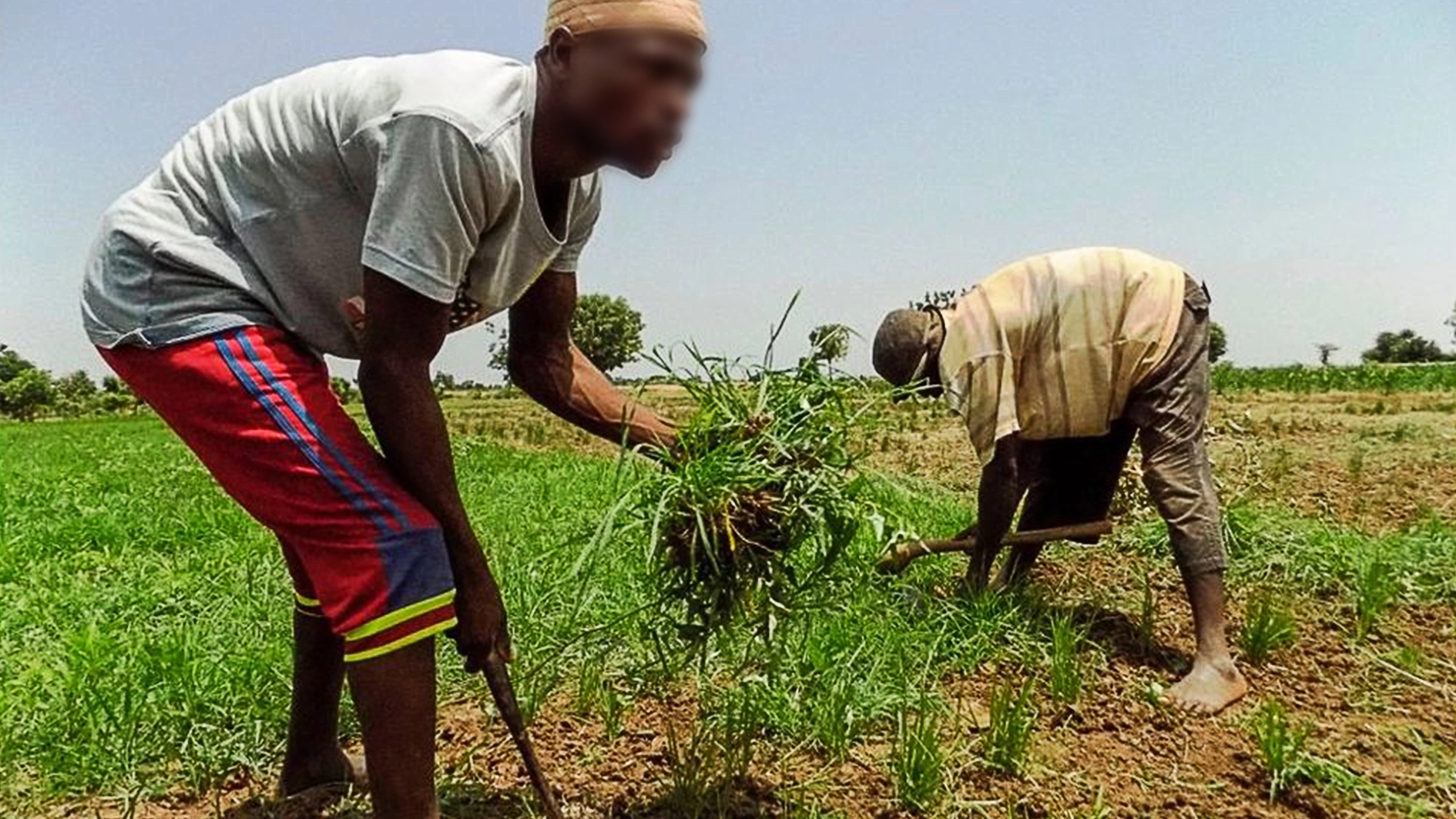
The Regional Hub for Fertilizer and Soil Health for West Africa and the Sahel has cautioned farmers against indiscriminate application of fertiliser on crop produce warning that excessive use of fertiliser could increase the acidity level of the soiy while lower usage can lead to poor yield.
The Regional hub gave the the warning during its session at the 2026 fertilizer summit yesterday in Abuja
Presenting the he Hub’s 2025 site-specific nutrient recommendation results for maize and rice in northern Nigeria the incoming Director of the Regional Hub for Fertilizer and Soil Health for West Africa and the Sahel – Bastiaan Huesken said evidence has shown that phosphorus requirements can vary from zero to over 60 kg P₂O₅ per hectare within the same target area.
He said that the findings demonstrate that uniform fertilizer rates may not meet crop nutrient needs efficiently, underscoring the importance of tailoring recommendations to local soil conditions and crop requirements.
He stressed that improving phosphorus management will require more than agronomic research alone, but also depends on accessible soil information, appropriate fertilizer formulations, effective quality assurance, extension services and investments that translate scientific evidence into practical recommendations.
He stated that soil data, locally adapted fertilizer recommendations and coordinated investment can strengthen agricultural productivity adding that smarter phosphorus management can help Nigeria improve fertilizer efficiency and food security.

A press relt issued by the hub under the theme “Phosphorus and Food Security: Challenges in Food Production Systems in Nigeria,” said the workshop builds on a National dialogue initiated in October 2025 and seeks to advance practical solutions to longstanding fertilizer and soil-fertility challenges.
The statement explained that phosphorus is essential for root development, crop growth and grain formation but its availability to crops varies considerably depending on soil properties, farming practices and local growing conditions.
“This is a great challenge for farmers as applying too little phosphorus can limit crop productivity, while applying more than crops require can increase production costs without delivering corresponding yield benefits.”
“The challenge is therefore not simply increasing fertilizer use, but ensuring that farmers have access to appropriate fertilizers and reliable guidance on where, when and how much to apply,” the release emphasized.
The Regional hub however disclosed that it is contributing to this agenda by strengthening the evidence and decision-support systems needed for more efficient nutrient management
It said they are focused on three interconnected areas: improving soil information, developing locally adapted nutrient recommendations and supporting digital advisory tools that help translate research into practical fertilizer decisions.
The statement further disclosed that the hub is developing enhanced digital soil maps that include key soil properties such as available phosphorus, adding that by combining existing soil records with new field observations, the initiative seeks to provide more detailed information on nutrient availability and soil conditions.
This information according to them will support more precise fertilizer recommendations, agricultural planning and investment decisions.
The statement added that the Hub is also supporting national soil information systems in Nigeria, Ghana, Liberia, Sierra Leone and Togo, while contributing to the development of a regional soil information platform that will improve access to soil data and decision-support resources.
The Hub is also supporting the development of site-specific nutrient recommendations using evidence from field trials and historical crop-response records.
Dr Bello Muhammad Shehu, Senior Agronomist Regional Hub for Fertilizer and Soil Health for West Africa and the Sahel said the Hub is building a coordinated national response.

