 Follow Us on Google News



 Follow Us on Google Discover
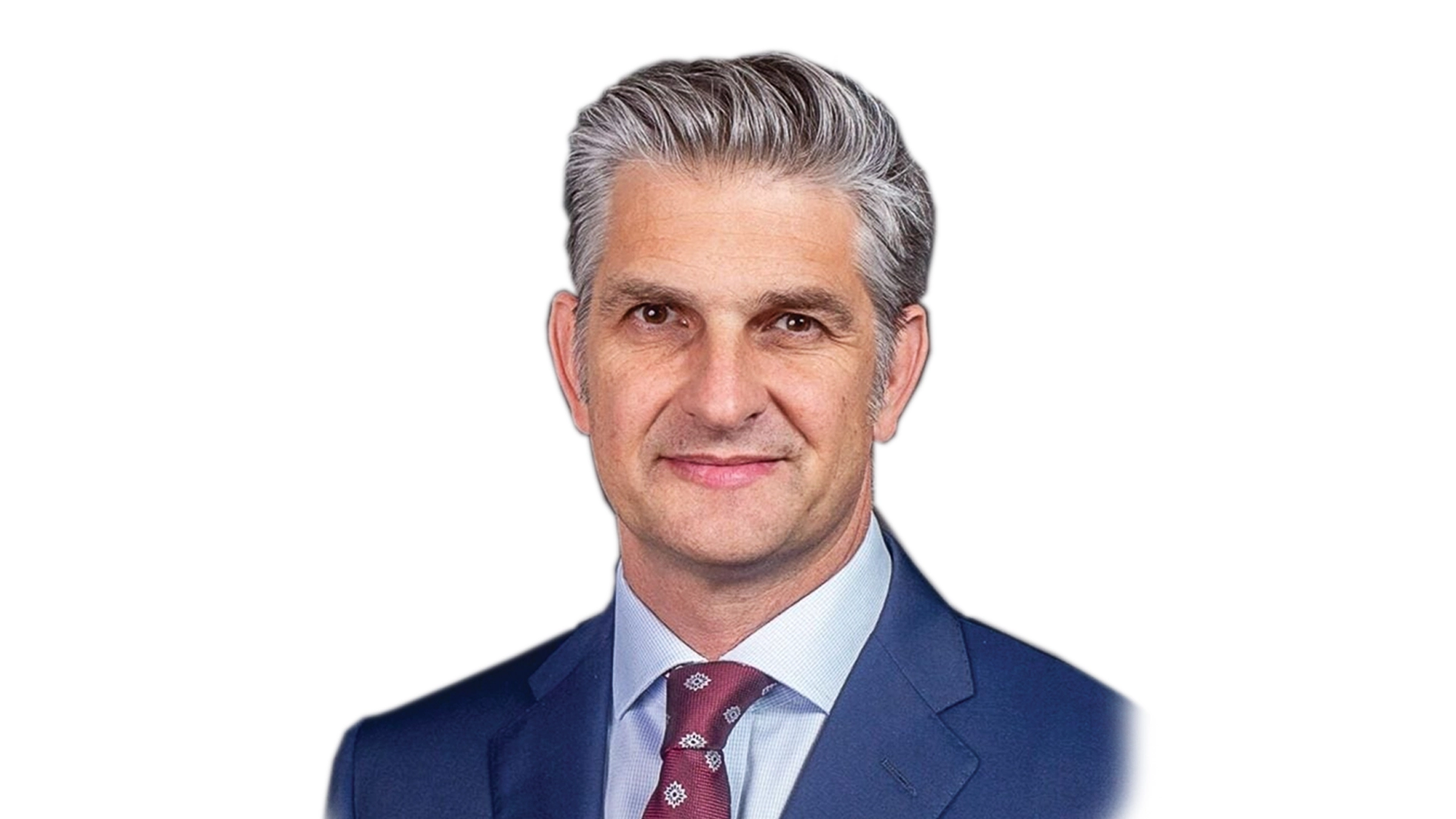
Managing Director and Chief Executive Officer (CEO) of Nigerian Breweries, Thibaut Boidin, recently sat down with TOBI AWODIPE to discuss the company’s future in a rapidly changing market, the creation of a revolutionary 10-year master plan for the brewery industry, and why Nigeria remains an attractive market despite operational challenges.
After 80 years in Nigeria, how does this milestone shape the company’s future?
It means a great deal to us because it reflects eight decades of navigating Nigeria’s history, economic cycles and market evolution. For a company to remain relevant, continue growing and maintain its leadership position through all those changes is something we are very proud of. It is a testament to the resilience of our business, our people and our commitment to Nigeria. This milestone is also about the future. While we celebrate 80 years of legacy, we are equally focused on the next 80 years. In recent years, some companies choose to scale back or exit investments, but we remained committed because we strongly believe in Nigeria’s long-term potential.
How would you describe Nigerian Breweries’ journey and evolution to date?
It’s a very impressive history because we created this industry. The brewing industry didn’t exist before us. In 1946, we were the first to build this brewery here in Lagos and in Nigeria as a whole. Since then, we have been shaping and leading the industry across different cycles. Nigerian Breweries has not only contributed to the Nigerian economy because of our size, but also contributed to communities and society. We lead this industry not just by doing business, but also by supporting all local communities. We have a footprint that does not exist with many of our competitors and many other industries in Nigeria. We support communities across the country, and we have been doing so intentionally. Nigeria is a very joyful country, full of energy, optimism and resilience. Through our brands, we have had the privilege of being part of some of life’s most memorable moments, bringing people together to celebrate friendship, family, achievement and community.
That is why our 80th anniversary theme is ‘Together Every Moment’. It reflects the role our brands have played in bringing people together and creating shared experiences over generations.

What does that theme have to do with your brand’s ethos and what it means for you going into the future?
A lot of companies use their anniversary to celebrate the company, but we decided to take a different approach by celebrating Nigerians, hence the ‘Together Every Moment’ theme. In the last 80 years, we have been there for Nigerians and a significant part of their lives, and we wanted this milestone to recognise that shared journey. This anniversary is not simply about looking back at our history. It is about celebrating Nigerians, acknowledging our role in their lives and reaffirming our commitment to the future.
There have been many challenges over the years, as well as varying policy changes. What has been the major lesson learned so far, and how have you been able to weather these challenges?
The first lesson is that strong leadership turns challenges into opportunities. Throughout our history, Nigerian Breweries has faced different economic and regulatory challenges. Our leaders and employees have consistently adapted, innovated and found ways to emerge stronger. A good example is the development of the local sorghum value chain.
When imported barley became difficult to access decades ago, the company adapted by investing in alternatives and supporting the development of local sorghum. Today, many of our products are brewed using locally sourced sorghum. What could have been a major challenge became an opportunity for innovation and local value creation.
A second lesson is the importance of financial resilience. In volatile environments, companies must maintain strong balance sheets and financial flexibility. Many companies left a few years ago due to the crisis and instability because Nigeria can be complex to operate in because policies can change very quickly and have a significant impact. However, we decided to stay because we believe in Nigeria’s future and potential.
My biggest lesson so far is that companies need to build a financial shield to navigate a crisis. If the economic environment is good, you grow; if it’s bad, you survive. Many companies left because they lacked a financial shield. Over the last two years, we have worked hard to strengthen our financial position and improve our ability to generate cash and self-fund growth. This puts us in a much stronger position to invest in the future, regardless of economic conditions.
My second big lesson is that you need a very strong financial position on your balance sheet to navigate a crisis. Every time we went through a crisis, we came out stronger. Our teams and the organisation are highly adaptable; we are very quick to seize opportunities and make decisions, having learned from the past.
A third lesson relates to the broader economic environment. We believe the ongoing reforms are moving Nigeria in the right direction over the long term. The key question is how quickly consumers and businesses will begin to feel the benefits. Today, pressure on disposable income remains one of the biggest challenges facing households and businesses.
However, we remain optimistic that the reforms will create stronger foundations for long-term growth.
Given Nigeria’s current economic situation, do you still see this market as attractive?
Absolutely! If you look at countries with strong long-term growth potential, population growth is often one of the biggest drivers. Nigeria stands out in this regard. With a population of more than 240 million people and a demographic profile that remains one of the youngest in the world, Nigeria continues to offer significant opportunities for growth and development.
We also believe the brewing industry has considerable untapped potential. Consumption levels remain below those of many comparable African markets, which suggests substantial headroom for future growth as economic conditions improve.
There are very few countries in the world that combine this scale of population growth with such a deep cultural connection to our brands. After 80 years in the market, Nigerian Breweries is woven into the fabric of Nigerian society, and that gives us tremendous confidence in the future.
What do you want this company to be remembered for over the next 80 years?
I would like us to continue being recognised for what we have achieved over the last 80 years: shaping, growing and leading the industry while creating value for consumers, communities and the broader economy.
I would like us to be known as a company that helped unlock the full potential of the brewing industry and continued to drive innovation, investment and growth. Our value chain spans agriculture, manufacturing, logistics, retail, and hospitality. We support a vast ecosystem of businesses and livelihoods, and I would like to see that contribution grow even further.
Equally important is our people. Nigerian Breweries has built a strong reputation for attracting, developing and retaining outstanding talent. I hope we continue building that culture and remain one of the most desirable employers in Nigeria.
How are you contributing to the marketing that you operate in?
Our contribution starts with the value chain that supports our business. Many people only see the final product, but behind every bottle is a large ecosystem involving farmers, packaging suppliers, engineers, transporters, distributors, retailers and many other businesses. Through our leadership and continued investments, we have helped expand and strengthen this ecosystem over the years. So our first contribution is supporting a large industry ecosystem, with millions of people and families depending on this industry.
We are also committed to supporting local agriculture and increasing local sourcing. One example is the Maltina Barley Project, which aims to establish local barley production and reduce dependence on imports. As Chair of the Beer Sectoral Group, I am also working with government and industry stakeholders on a 10-year master plan for the brewing industry.
We believe the industry can play an even bigger role in Nigeria’s economic future. The master plan is designed to unlock investment, strengthen agriculture, create jobs, support local manufacturing and contribute more meaningfully to economic growth. Our goal is to create a framework that enables sustainable growth over the next decade for the benefit of the entire ecosystem.
What is the current state of your company’s backward integration process, which started a few years ago?
We are a Nigerian company, and many of our suppliers are local. Though not all raw materials are sourced locally, many are. Indeed, given the market’s volatility, we need to reduce our net FX exposure, and one of the best ways to do so is by increasing the localisation of raw materials and production inputs.
We have initiated several initiatives over the years, including the barley project I mentioned earlier. Some are taking longer to materialise than others. For instance, the barley project I mentioned earlier. The goal is to have 100 per cent of our barley produced in Nigeria, and we have been working toward that for about seven years now. We are supporting more than 1,100 farmers in growing barley locally, but agriculture takes time, and progress depends on factors such as climate, infrastructure and technical capabilities. This is not something that can be achieved overnight. However, we are committed to working step by step to do this.
We have seen similar successes in other markets, including Ethiopia, and we believe Nigeria has the potential to achieve the same outcome. However, it requires collaboration. Government support, infrastructure development and industry partnerships will all be important if we are to accelerate progress, and this is where the master plan comes in. If we can revamp the agriculture industry, imagine the possibilities. Localisation and backward integration are long-term commitments, but we are moving in the right direction.
How many years are you looking at to make this a reality?
We believe meaningful progress can be achieved within the next five years, although the pace will depend on several factors, especially those related to agriculture and infrastructure.
Our focus is on moving as quickly as possible while ensuring that the model is sustainable and delivers lasting impact.
This is a very competitive market, and conditions are tough; how are you looking to remain ahead?
Having good competitors is great and healthy for the industry and consumers. Strong competition drives innovation, improves quality and ultimately benefits consumers. In the past, it was just Guinness and Nigerian Breweries until International Breweries came on board, which added a bit of competition, which makes me happy.
Our first priority is to build on our existing strengths. Nigerian Breweries has been the industry leader for 80 years because we understand our consumers, invest behind our brands and continuously evolve with the market.
Secondly, because we have learned from the past, our finances are much stronger and can adapt to any economic crisis more quickly. Also, we’re going to invest in the growth of our people and in the key brands that consumers love. Some fantastic things that have never been done before in Nigeria are in the works. We will continue to innovate and invest in our people to have the best capabilities in the markets; and this will continue to be a key differentiator for us.
You have mentioned some of the challenges faced by major manufacturers; what changes would you like to see that would help players in this sector?
I really want our master plan to work. A well-designed 10-year industry plan, developed collaboratively between government and industry, has the potential to unlock significant investment, strengthen agriculture, create jobs and accelerate industrial development.
Nigerian Breweries alone has invested substantially in Nigeria over the years and continues to invest in the future. The broader brewing industry can contribute even more if the right framework is in place.
This goes beyond any one company. It is about building an industry that can create opportunities across the entire value chain, from farmers and manufacturers to logistics providers, retailers and consumers. That is why I am passionate about bringing this master plan to life. I believe it can play a meaningful role in supporting Nigeria’s long-term economic development.
How has Nigerian Breweries’ acquisition of Distell contributed to revenue and profit generation so far?
The acquisition aligns with our long-term strategy to build a more diversified beverage portfolio and create additional growth opportunities.
At this stage, it remains a long-term investment, and the contribution is still relatively modest. However, we have made significant progress in integrating the business.
One important milestone was the full integration of the supply chain in our Ibadan brewery, which now allows us to produce the products locally.
Our focus today is on building the right foundations, strengthening execution and ensuring we are ready to scale sustainably in the years ahead. The long-term opportunity remains very attractive, and we are confident about the role the portfolio can play in our future growth.

