 Follow Us on Google News



 Follow Us on Google Discover
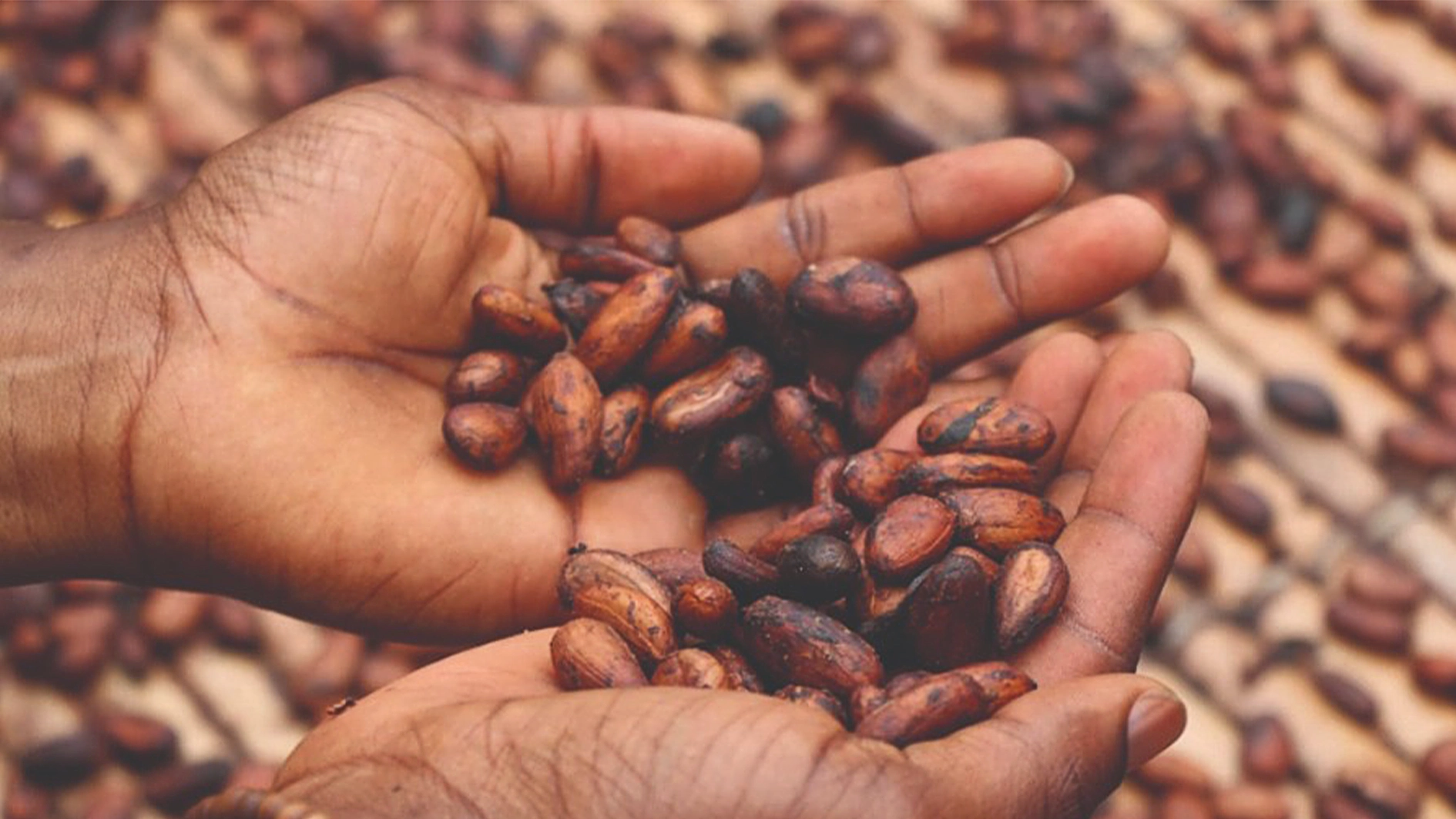
Nigeria’s cocoa bean exports to the United States rose more than sixfold to $142 million in 2025, from $21.7 million in 2024, according to the U.S. Mission in Nigeria.
The mission released the figures yesterday, saying that trade between the two countries runs in two directions, with wheat accounting for 67 per cent of U.S. agricultural exports to Nigeria.
Cocoa remains one of Nigeria’s leading non-oil agricultural exports. The country is the world’s fourth-largest producer, and hundreds of thousands of smallholder farmers, mainly in Ondo, Cross River, Osun and other southwestern and south-south states, depend on it for their livelihood.
Cocoa was Nigeria’s top foreign exchange earner in the 1950s and 1960s, with output peaking in the early 1970s. Investment shifted to oil afterwards, and the sector declined.
Industry observers attribute the latest rise to higher global prices and Nigeria’s push to diversify exports away from crude oil. They noted, however, that most Nigerian cocoa is still shipped as raw beans rather than processed products. Stronger U.S. demand could benefit farmers and exporters if quality standards and logistics improve, they added.
On the import side, U.S. wheat supports Nigeria’s milling industry, which produces bread and flour for the country’s large urban population.

The U.S. Mission described the relationship as “fair, two-way trade that works for farmers, businesses, and families on both sides of the Atlantic.” Sustained growth in cocoa exports could raise rural incomes and foreign exchange earnings, provided ageing trees, limited access to finance and climate pressures are addressed.

