 Follow Us on Google News



 Follow Us on Google Discover
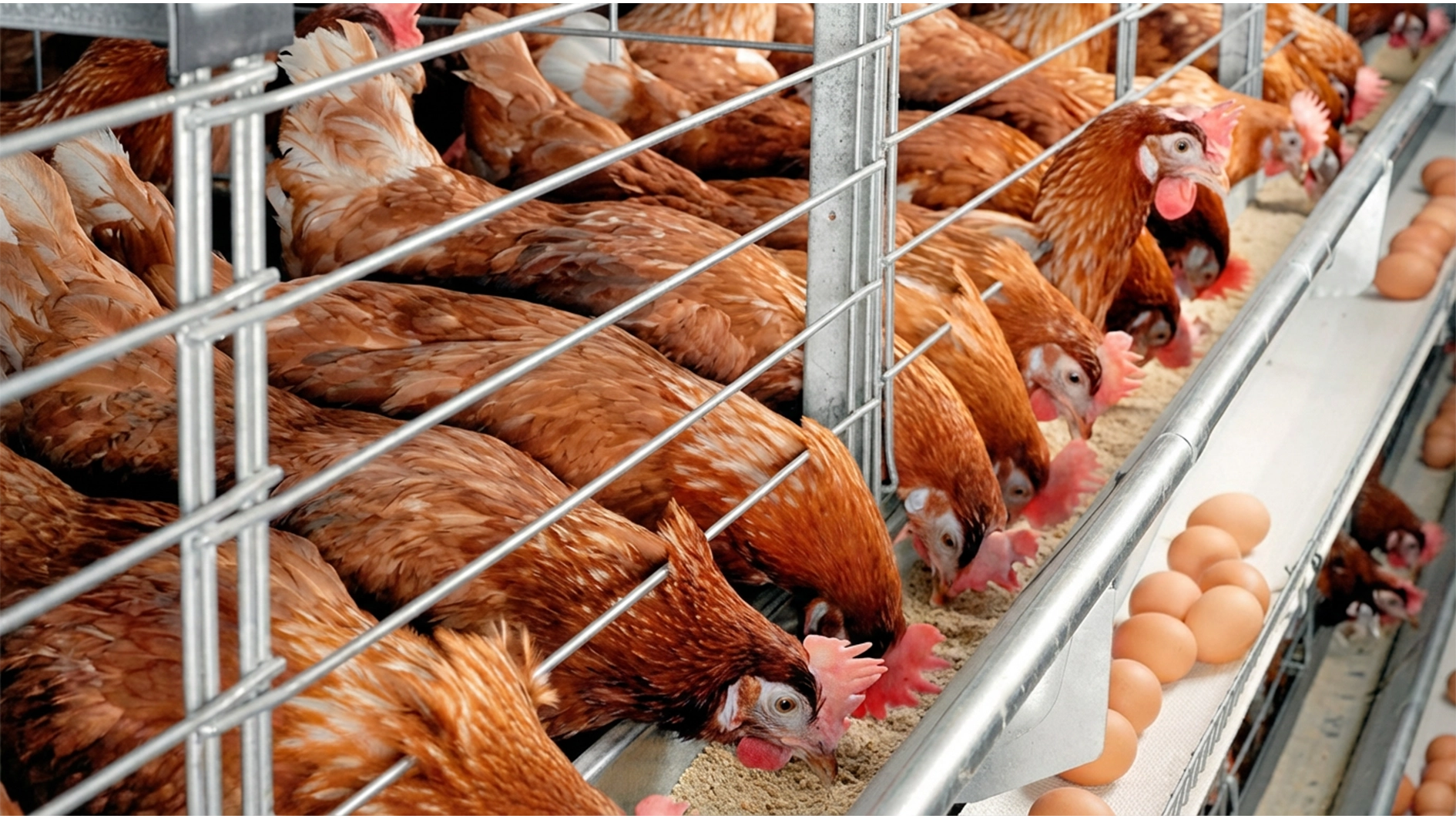
Stakeholders in Nigeria’s poultry industry have called for urgent government intervention and stronger collaboration to tackle rising feed costs, inadequate access to finance, shortages of day-old chicks, disease outbreaks and insecurity threatening the sector.
The call came in Abeokuta, Ogun State, ahead of the 2026 Nigerian Poultry Show, scheduled to hold from November 3 to 5 at the Olusegun Obasanjo Presidential Library Complex, Oke-Mosan.
The event, themed “Building a Sustainable and Resilient Poultry Industry in Challenging Times”, is expected to bring together farmers, investors, researchers, financial institutions, government representatives and other stakeholders across the livestock value chain.
Speaking at a briefing ahead of the show, the chairman of the Poultry Association of Nigeria (PAN), South-west zone, and the association’s national vice-president for the zone, Rev. Olulana Gideon Olubija, said the industry needed practical strategies to sustain production amid prevailing economic challenges.
“Majorly, we are trying to build a poultry industry that is sustainable and resilient in challenging times,” Olubija said.
While acknowledging government efforts to address challenges in the agricultural sector, he said industry professionals must also deploy their expertise and innovation to improve productivity and make poultry products more affordable.

He said food security should be treated as an essential component of national security, warning that insecurity could worsen if citizens were unable to access adequate food.
“A country that can secure its external borders but cannot secure food for the people hardly will be stable because people will agitate,” he said.
Olubija said the poultry show would expose farmers and other industry players to new technologies, research findings and investment opportunities to improve production and reduce food costs.
He added that the event would provide opportunities for farmers to engage with financial institutions and investors on accessing funds to expand their businesses.
“We are using this as our own sector to make sure that we help the nation to bring down the cost of food, provide enough availability of food and protein sufficiency for the entire nation .”
The exhibition is expected to feature modern equipment, improved feeding technologies, precision farming, data-driven production systems, organic production methods and improved biosecurity practices.
Olubija said exhibitors and experts from countries including the United States, China, India and Israel, as well as Europe and Australia, were expected to showcase innovations and technologies.
He said the programme was open not only to large-scale farmers but also to feed millers, veterinary drug manufacturers and sellers, animal scientists, logistics providers, entrepreneurs and young people interested in poultry and livestock production.
According to him, the industry offers significant opportunities for job creation and the industrialisation of Nigeria’s agricultural sector.
Also speaking, the chairman of the Nigerian Poultry Show, Dr Olalekan Odunsi, said the annual event was designed to connect farmers with institutions and experts capable of helping them overcome production and financing challenges.
“This event is largely put together so that farmers can have a breather, make connections and have solutions to their problems,” Odunsi said.
He disclosed that the minister of livestock development, the national coordinator of AIRPRES, Mr Abubakar Sani, and the managing director of the Bank of Agriculture were expected to attend. The Ogun State government was also expected to participate.
Odunsi identified high grain prices, inadequate financing, insecurity, disease outbreaks, insufficient insurance cover and shortages of day-old chicks, particularly pullets, as major concerns confronting poultry farmers.
He said feed accounted for about 75% of poultry production costs, making access to affordable grains critical to the survival of businesses.
“If feed is not made available, it will be a challenge,” he said, calling for measures to reduce the cost of feed production.”
He also urged financial institutions to provide affordable agricultural loans, including facilities with single-digit interest rates, to enable farmers to expand production and meet growing demand for poultry products.
“A lot of farmers need to expand so that we can feed the populace, but finance is a challenge. How do we bring down the interest rate to a bearable amount?”
Odunsi said disease outbreaks remained a major threat, particularly in the absence of adequate insurance products to protect farmers against losses.
He called on insurance companies to develop affordable policies that would cover losses arising from poultry diseases and other unforeseen circumstances.
The chairman also expressed concern about the shortage and rising cost of day-old chicks, especially pullets, saying the trend had increased the cost of establishing and maintaining poultry farms.
He said raising pullets from day-old chicks to point-of-lay had become increasingly expensive, while broiler chicks had also recorded significant price increases.

