 Follow Us on Google News



 Follow Us on Google Discover
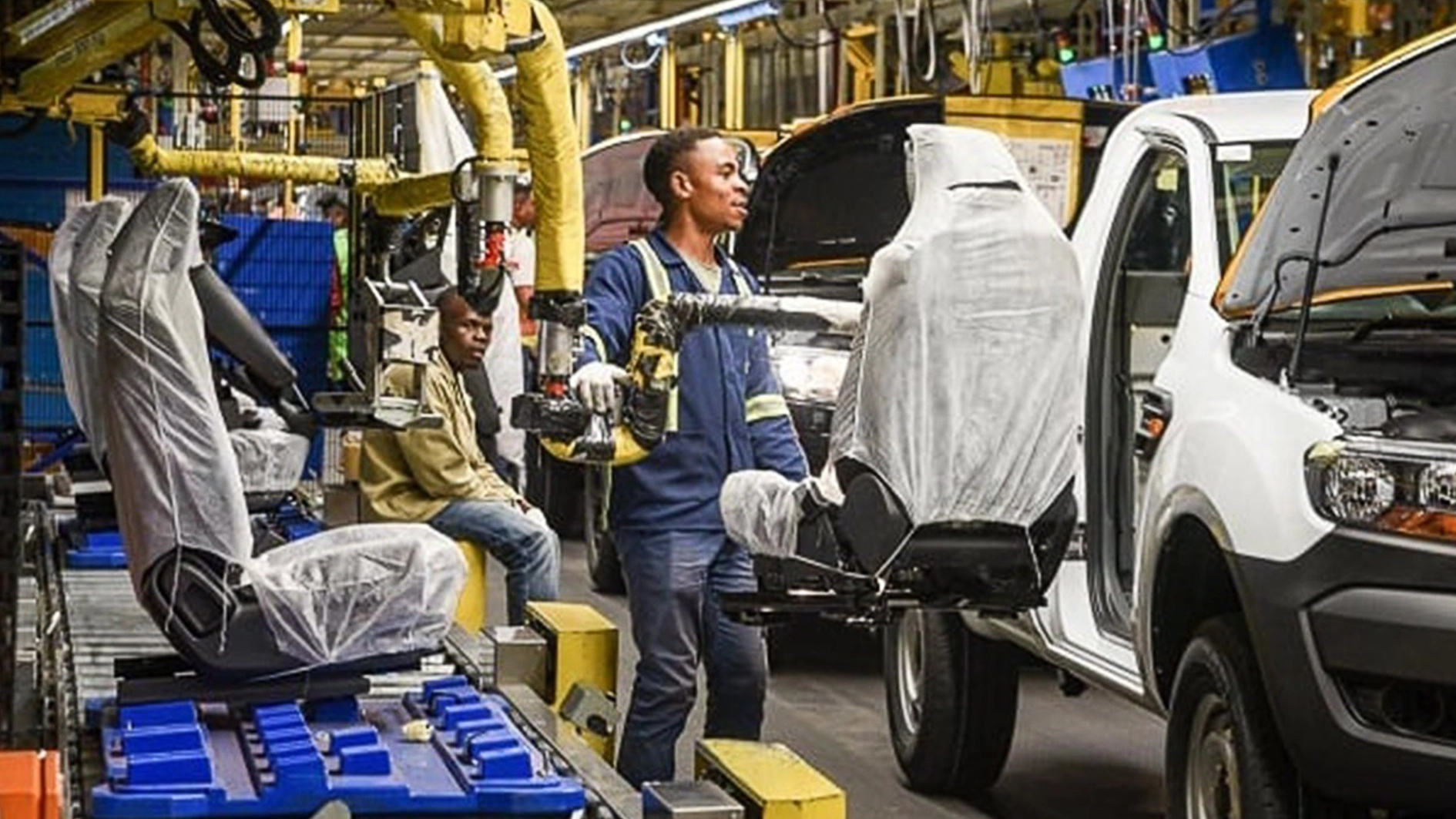
Africa’s automotive industry must strengthen regional supply chains, improve access to affordable financing and harmonise trade policies to reduce dependence on imported vehicles and establish the continent as a competitive manufacturing hub, industry stakeholders have said.
The call was made at the two-day Africa Automotive Investment Forum held in El Alamein, Egypt, where policymakers, vehicle manufacturers and component suppliers examined barriers to investment and strategies for developing an integrated African automotive market.
The forum was organised by the African Export-Import Bank (Afreximbank), the African Association of Automotive Manufacturers (AAAM), the African Continental Free Trade Area (AfCFTA) Secretariat, Egypt’s Ministry of Trade and Investment, and South Africa’s Department of Trade and Industry.
The discussions focused on the need to move beyond vehicle assembly towards deeper local content, component manufacturing, technology transfer and cross-border production networks capable of supporting the continent’s growing mobility needs.
The bank’s Executive Vice President, Intra-African Trade and Export Development, Kanayo Awani, said the industry could play a significant role in Africa’s industrialisation by building regional value chains, creating skilled jobs and reducing reliance on imported vehicles.
She said opportunities extended beyond vehicle assembly to the production of automotive components and the processing of minerals such as lithium, cobalt, manganese, nickel, copper, iron and steel, which are essential to conventional and electric vehicle manufacturing.

“Investing in the African automotive ecosystem is not merely a financing opportunity, but a strategic imperative that accelerates economic diversification and establishes Africa as a competitive player in the global industrial economy,” she said.
She added that Afreximbank was promoting a pan-African manufacturing ecosystem in which vehicle producers, component manufacturers and suppliers operate through interconnected regional supply chains.
Also, the President of AAAM, Tarek Mosaad, said the agreement on the AfCFTA’s automotive Rules of Origin had established an important foundation for integrating the continent’s automotive market.
He said the focus should now shift towards building factories, developing local suppliers, creating employment and increasing trade in vehicles and components between African countries.
Mosaad identified three priorities – growing local content through regional value chains, easing cross-border movement of automotive products and ensuring Africa plays a meaningful role in shaping the future of mobility.
He stressed that investors were interested in Africa as an integrated market rather than as 54 separate national economies, highlighting the importance of policies that allow manufacturers to serve multiple countries from competitive production centres.
Besides, the Secretary-General of the AfCFTA Secretariat, WamkeleMene, explained the continent needed investment-ready projects, competitive production locations and stronger regional supplier networks to implement its automotive industry strategy.
He also emphasised the need to establish commercially viable regional production systems, pointing to the importance of coordinating industrial policies with the practical requirements of manufacturers and investors.
In a move towards this objective, the AfCFTA Secretariat and AAAM signed a Memorandum of Understanding (MoU) to strengthen cooperation in developing the industry.
The agreement covers automotive Rules of Origin, customs procedures, trade facilitation, industry standards, capacity building, supplier development, mineral beneficiation, investment mobilisation and emerging automotive technologies.
The partnership is also expected to support the AfCFTA Automotive Investment Plan by attracting investment and strengthening regional automotive production networks.
Component manufacturing emerged as another important area for industry development, with a joint venture agreement signed between South Africa’s Malben Engineering and Egypt’s El Araby Group.
The partnership would establish a platform for manufacturing automotive components for the Egyptian, South African and wider African markets.

