 Follow Us on Google News



 Follow Us on Google Discover
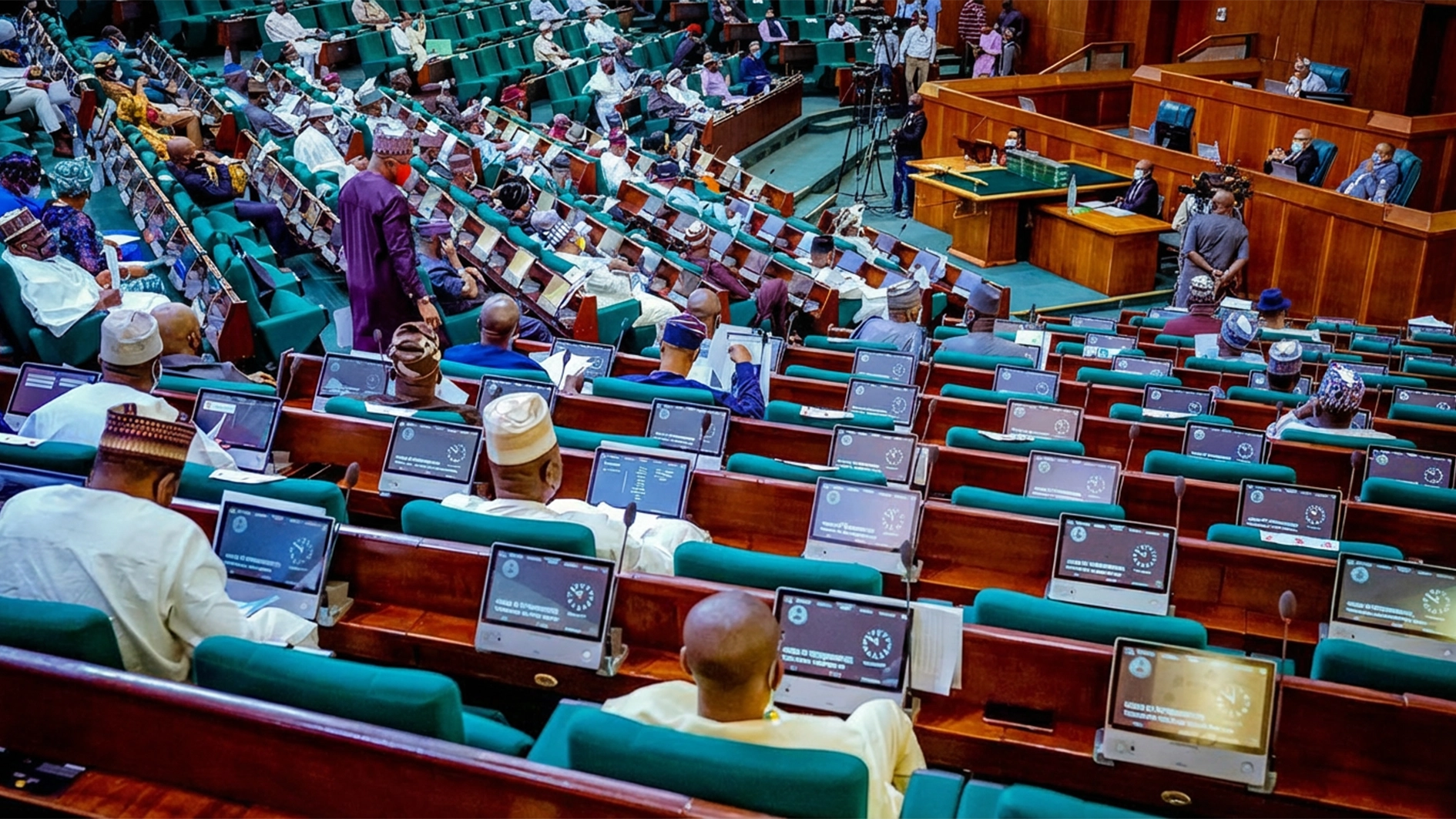
The House of Representatives has passed for second reading a bill seeking to address funding gaps in public senior secondary schools and improve the management of federal interventions in the sector.
The bill was passed during Thursday’s plenary after the House considered its general principles, following its presentation by the House Majority Leader, Julius Ihonvbere.
The proposed legislation seeks to amend the National Senior Secondary Education Commission (NSSEC) Act, 2023, to strengthen the administration, governance and funding of senior secondary education across the country.
The Presidency transmitted the proposed amendment to the House the last week.
The move comes amid persistent challenges facing public secondary schools, including inadequate funding, dilapidated classrooms, shortages of instructional materials and poorly equipped laboratories.
These challenges have continued to affect teaching and learning in many schools.

The National Senior Secondary Education Commission has also raised concerns about funding constraints, including the non-release of the two per cent of the Consolidated Revenue Fund provided for under its establishing law to support senior secondary education development.
Against this backdrop, the proposed amendment seeks to expand federal interventions to cover public senior secondary schools in all 36 states and the Federal Capital Territory, as well as Federal Unity Colleges and senior secondary schools operated by the Armed Forces.
Under the bill, the commission would provide infrastructure, instructional materials and laboratory equipment to eligible schools.
The legislation proposes an amendment to Section 20 of the existing Act to accommodate the expanded coverage. It also seeks to make the establishment of a Senior Secondary Education Board in each state and the FCT a condition for accessing federal government interventions.
Each state board would have a part-time chairman, who would be the commissioner responsible for secondary education, alongside three members representing the state’s senatorial districts.
Other members would include representatives of the state ministries responsible for education and finance, the All Nigeria Confederation of Principals of Secondary Schools, a recognised civil society organisation focused on education, and an executive secretary.
The bill provides that state governors would appoint members of the boards in their respective states.
For the FCT, the Mandate Secretary responsible for secondary education would serve as chairman.
The board would also include one representative from each of the six area councils, alongside representatives of relevant education and finance departments, the principals’ association, an education-focused civil society organisation and an executive secretary.
The FCT minister would appoint members of the proposed board.
The bill also seeks to define the responsibilities and qualifications of the executive secretaries, who would serve as the chief executives and accounting officers of the boards.
Under the proposal, an executive secretary must be an experienced educationist or administrator with at least 20 years of relevant experience. The appointment would last four years, with eligibility for one further term.
On the management of intervention funds, the bill proposes replacing the term “disbursement” with “allocation”. It would also empower the commission to develop allocation criteria, subject to the approval of the minister responsible for education.
Direct interventions for Federal Unity Colleges and Armed Forces senior secondary schools would similarly follow criteria established by the commission and approved by the minister.
To improve planning and accountability, state and FCT boards would be required to submit annual action plans outlining proposed projects, programmes and policies.
The proposed amendment also provides for changes to the composition and meetings of the boards and seeks to remove the definition of counterpart funding from the existing Act.
If passed by both chambers of the National Assembly and assented to by the President, the bill would establish a revised framework for federal support, funding and administration of senior secondary education in Nigeria.

