 Follow Us on Google News



 Follow Us on Google Discover
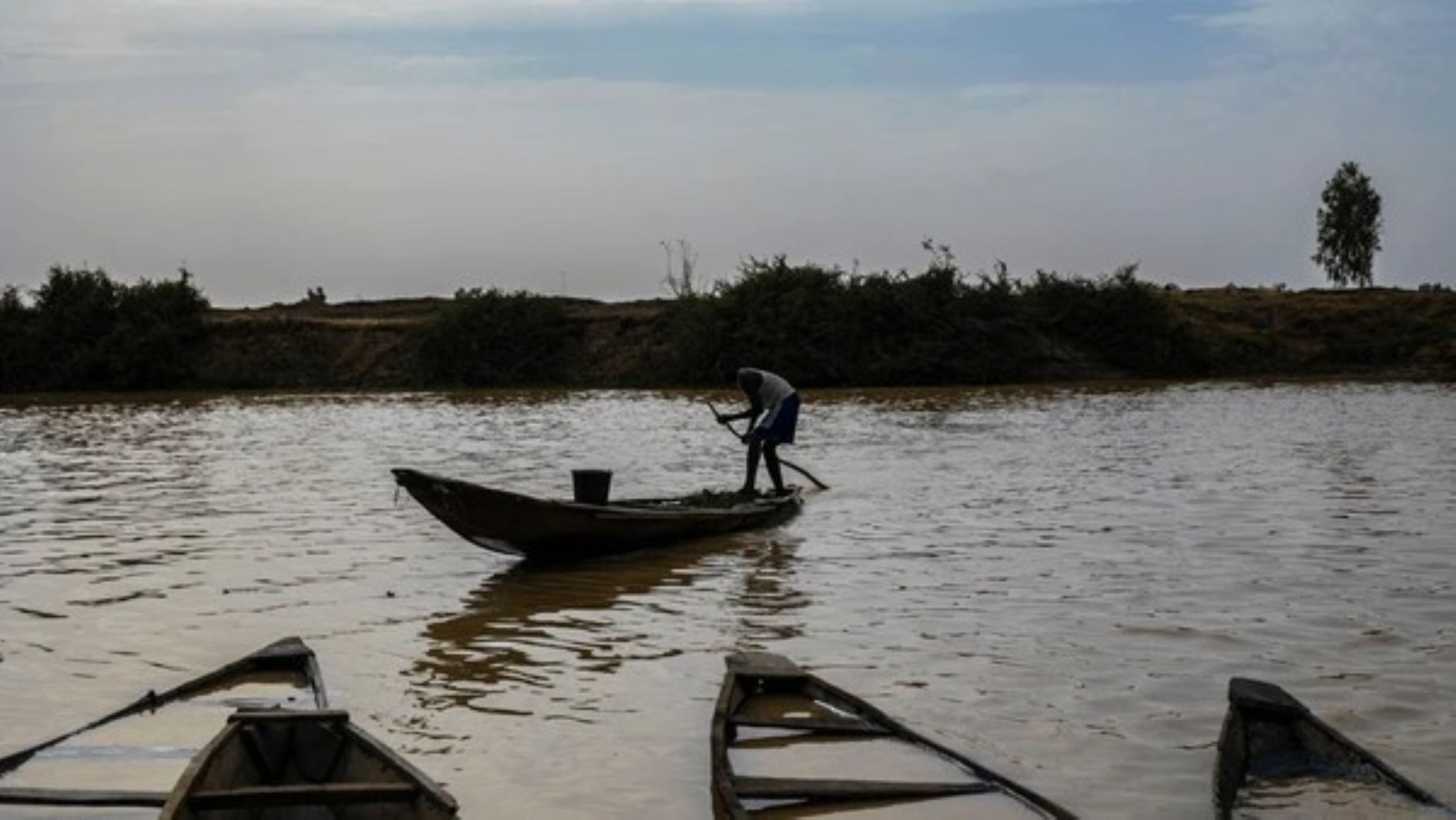
As new report outlines options to contain temperature spike
United Nations Development Programme (UNDP) has called for stronger coordination of climate policies, improved access to climate finance and effective implementation of Nigeria’s climate commitments to protect livelihoods and drive sustainable economic growth.
The UNDP Resident Representative in Nigeria, Elsie Attafuah, said the country must strengthen the links between national climate policies, public financing and implementation across government institutions to deliver meaningful results under its third Nationally Determined Contribution (NDC 3.0).
Speaking at the launch of Nigeria’s NDC 3.0 and the inaugural meeting of its Interministerial Steering Committee in Abuja yesterday, Attafuah said climate commitments must translate into practical development gains for households, businesses and vulnerable communities.
She noted that Nigerians experienced climate change through everyday challenges, including unpredictable rainfall, flooding, extreme heat and threats to agricultural production, adding that these realities should shape the implementation and measurement of the country’s climate targets.
According to her, NDC 3.0 offers Nigeria an opportunity to guide investments in energy, agriculture, infrastructure and other critical sectors, while expanding energy access, protecting livelihoods and strengthening economic competitiveness.

Meanwhile, with global temperature set to exceed 1.5°C above pre-industrial levels, urgent and stringent cuts to greenhouse gas emissions are needed to minimise the magnitude and duration of overshoot and return to 1.5°C by the end of the century, a new United Nations Environment Programme (UNEP) report finds.
The Emission Gap Report 2026: The Point of Return looks at a ‘lowest possible’ 1.5°C overshoot scenario, in which peak warming by around the middle of the century is limited to 1.7-1.8°C and global temperature rise is returned to or below 1.5°C by 2100, with about a 50 per cent chance.
To get onto this pathway, Global Greenhouse Gas (GHG) emissions would have to be reduced by 18 per cent by 2030, 45 per cent by 2035 and 69 per cent by 2040, all relative to 2025 levels. By contrast, the full implementation of Nationally Determined Contributions (NDCs) would only reduce emissions by five to eight per cent by 2030 and 11-15 per cent by 2035, relative to 2025 levels. This implies average yearly reduction rates of 5.7 per cent for 2025-2035, higher than the old Sixth Assessment Report (AR6) pathways laid out by the IPCC, which required yearly reduction rates of about five per cent.
However, the report finds that there are more opportunities than ever to accelerate action. Since the adoption of the Paris Agreement, renewable energy has boomed, total energy supply from coal and oil has grown slower than projected and climate policies have cut emissions in many places.
The report finds that if current policies continue, warming could reach 2.8°C within this century and increase thereafter. If all NDCs are delivered and similar efforts continue, warming will be limited to 2.6°C.

