 Follow Us on Google News



 Follow Us on Google Discover
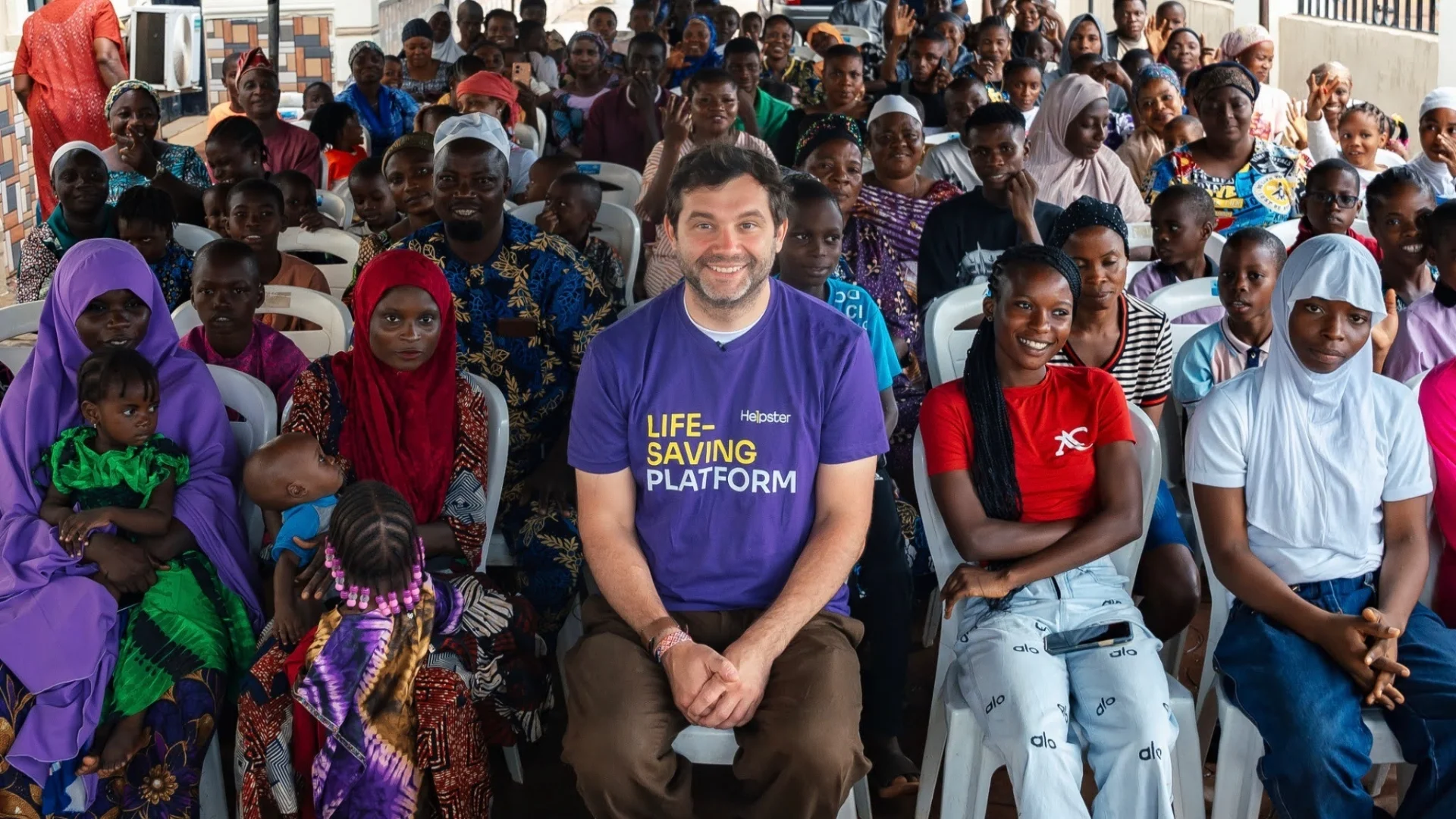
For families unable to afford urgent medical treatment, the difference between receiving care and going without it can depend on whether funding reaches the right patient quickly enough.
Helpster Charity says it has now supported nearly 5,900 patients across the communities where it operates. The figure reflects the scale at which the organisation is attempting to address a persistent healthcare challenge across Nigeria and other underserved markets: patients who need treatment but cannot afford to pay for it.
In Nigeria, Helpster combines a digital fundraising and case-management platform with doctors, hospitals, volunteers and local coordinators who identify patients, verify their circumstances and follow their treatment.
Turning Donations Into Verified Patient Cases
Helpster’s process begins before a patient appears on a fundraising page.
Cases are sourced through hospitals, nonprofit partners, community outreach and local teams. Medical records, diagnoses, photographs and information about a family’s financial circumstances are collected before each case is reviewed.
Volunteers conduct on-the-ground verification, including direct contact with families and healthcare providers. Medical documentation is reviewed before a case is approved, and once funding is secured, payments are made directly to the treating hospital rather than to the patient or family.

Treatment and outcomes are then documented.
Helpster uses a patient database and digital platform to track case information, treatment documentation, invoices and payment records. The system is intended to give donors a clearer link between their contributions and the patients and hospitals receiving support.
The organisation has also incorporated automated checks into its case-management infrastructure. Helpster says its system uses artificial intelligence to help assess applications for factors including fraud risk, urgency and poverty, alongside medical review.
The technology is designed to support rather than replace the field teams responsible for verifying cases and coordinating treatment.
The Nigeria Team Behind the Technology
The digital infrastructure depends on people working directly with patients and healthcare providers.
Helpster’s Nigeria team is responsible for sourcing cases, confirming patient information, liaising with hospitals and monitoring treatment. The organisation works with public and private healthcare facilities to identify people who require medical intervention but are unable to cover the cost themselves.
Some patients arrive only after delaying care because of financial constraints.
In one case recalled by Helpster Nigeria Country Manager Dr. Perpetua Mbanefo, a mother had spent more than ten hours in labour at home without antenatal care or a way to call for help. By the time she reached a partner hospital, she was bleeding and weak, while her baby was already in distress.
The case illustrates how financial barriers and delayed access to treatment can turn manageable medical problems into emergencies.
Expanding Regional Impact
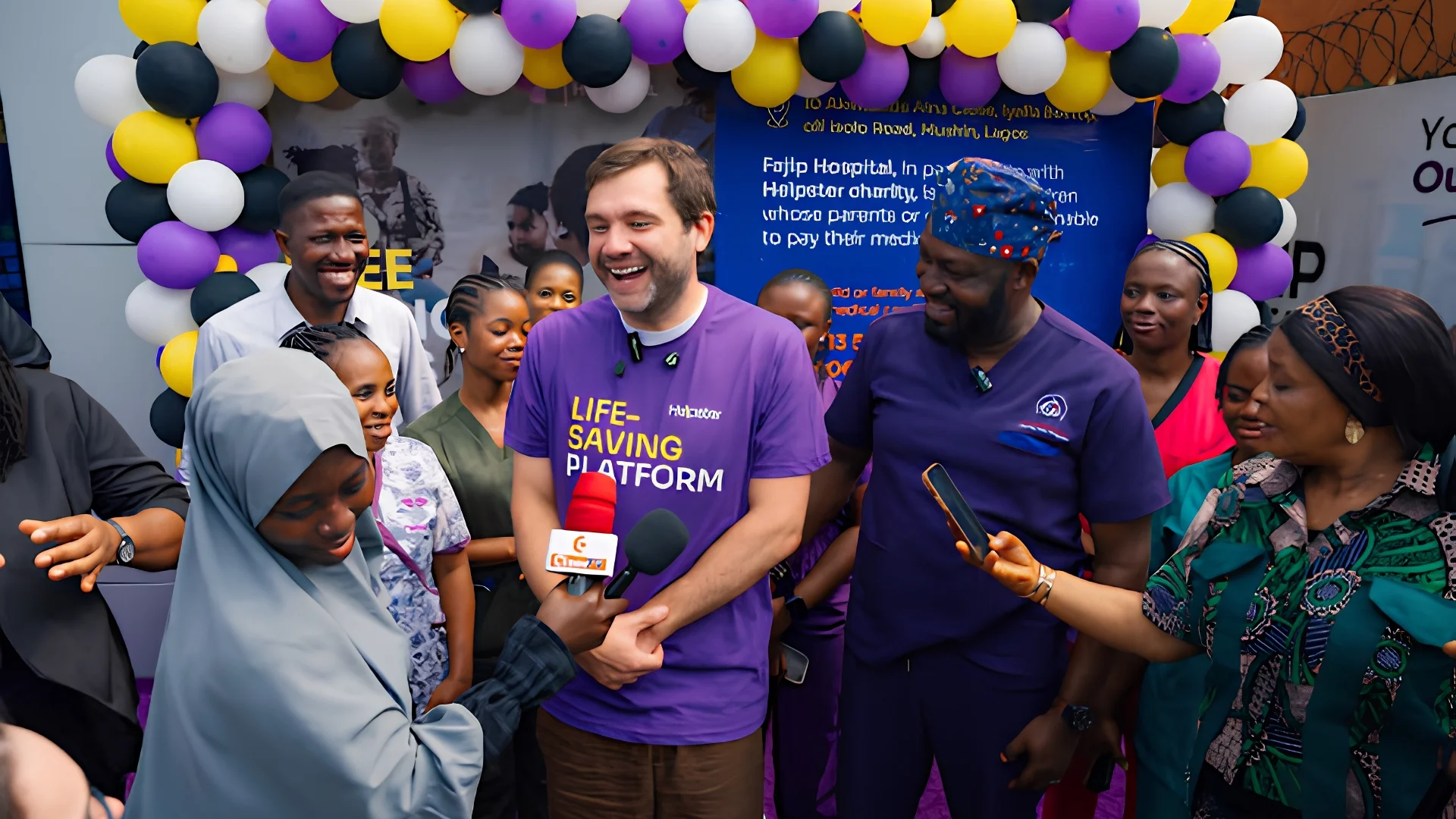
Helpster’s work in Nigeria has also included medical outreach programmes designed to identify patients earlier.
The organisation has worked with healthcare partners on screenings, consultations and referrals in communities including Lagos, with the aim of connecting people to treatment before their conditions worsen.
That approach extends beyond one-time fundraising.
By working with hospitals, doctors and local coordinators, Helpster is attempting to create a system through which patients can be identified, assessed, funded and treated through the same verification process across multiple locations.
According to Helpster, nearly 5,900 patients have now been supported across Nigeria, Kenya and Bangladesh.
The organisation’s continued expansion raises a central challenge: how to reach more patients while maintaining the rigor and utmost accuracy of verification procedures behind each case.
Founder Visits Nigeria
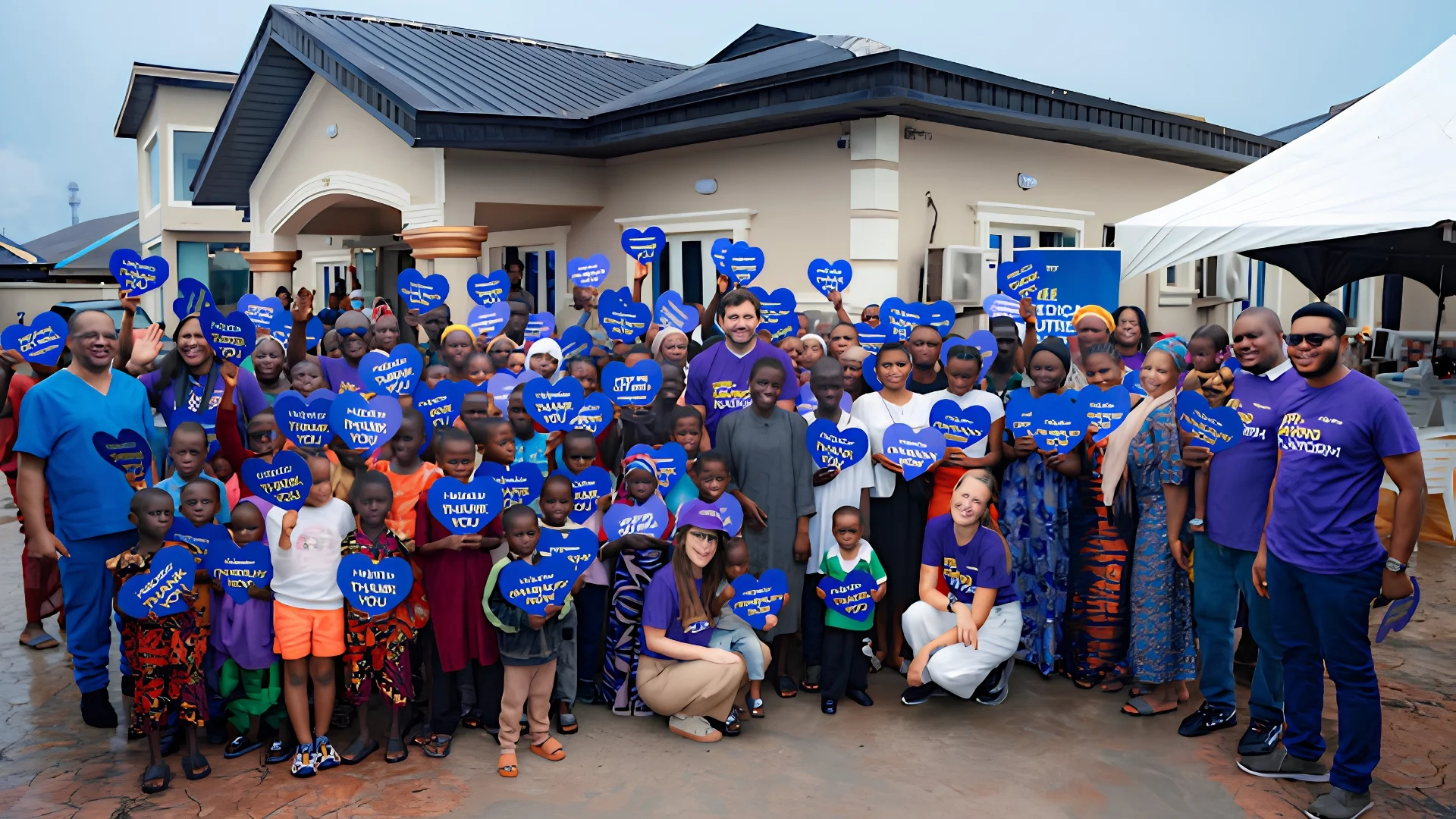
Helpster founder Nikita Kuzmin visited the organisation’s Nigeria operations in early October, meeting members of the local team and seeing its work in the country firsthand.
The visit came as Helpster continued to expand its operations in the region.
The visit also draws attention to the local infrastructure behind Helpster’s digital model.
Fundraising and case management may take place online, but patient verification, hospital coordination and follow-up still depend on local knowledge and direct engagement.
Scaling Without Losing Accountability
As Helpster’s patient base grows, maintaining oversight becomes increasingly important.
The organisation says donations are tied to verified cases and directed toward treatment, with payments made to hospitals. The model is intended to reduce the risk of misuse while giving donors greater visibility into how funds are used.
Helpster Chief Executive Kate Lysykh has previously said that the organisation’s verification process is designed to ensure that supported cases are genuine and that funds reach their intended purpose.
The challenge is maintaining those checks as the organisation scales.
Each case still requires documentation, medical review, funding, payment coordination and follow-up. Technology can make that process faster and more consistent, but the system ultimately depends on hospitals, doctors and local teams carrying it out.
Helpster now works with healthcare facilities across Nigeria, Kenya and Bangladesh, using its platform to connect verified patients with funding for treatment.
That does not solve the broader structural pressures facing healthcare systems in Nigeria or elsewhere. But for an individual patient, access to one surgery, emergency procedure or course of treatment can be decisive.
With nearly 5,900 patient lives saved, Helpster’s next milestone will be doubling the impact while preserving the verification, transparency and local involvement on which its model depends.

