 Follow Us on Google News



 Follow Us on Google Discover
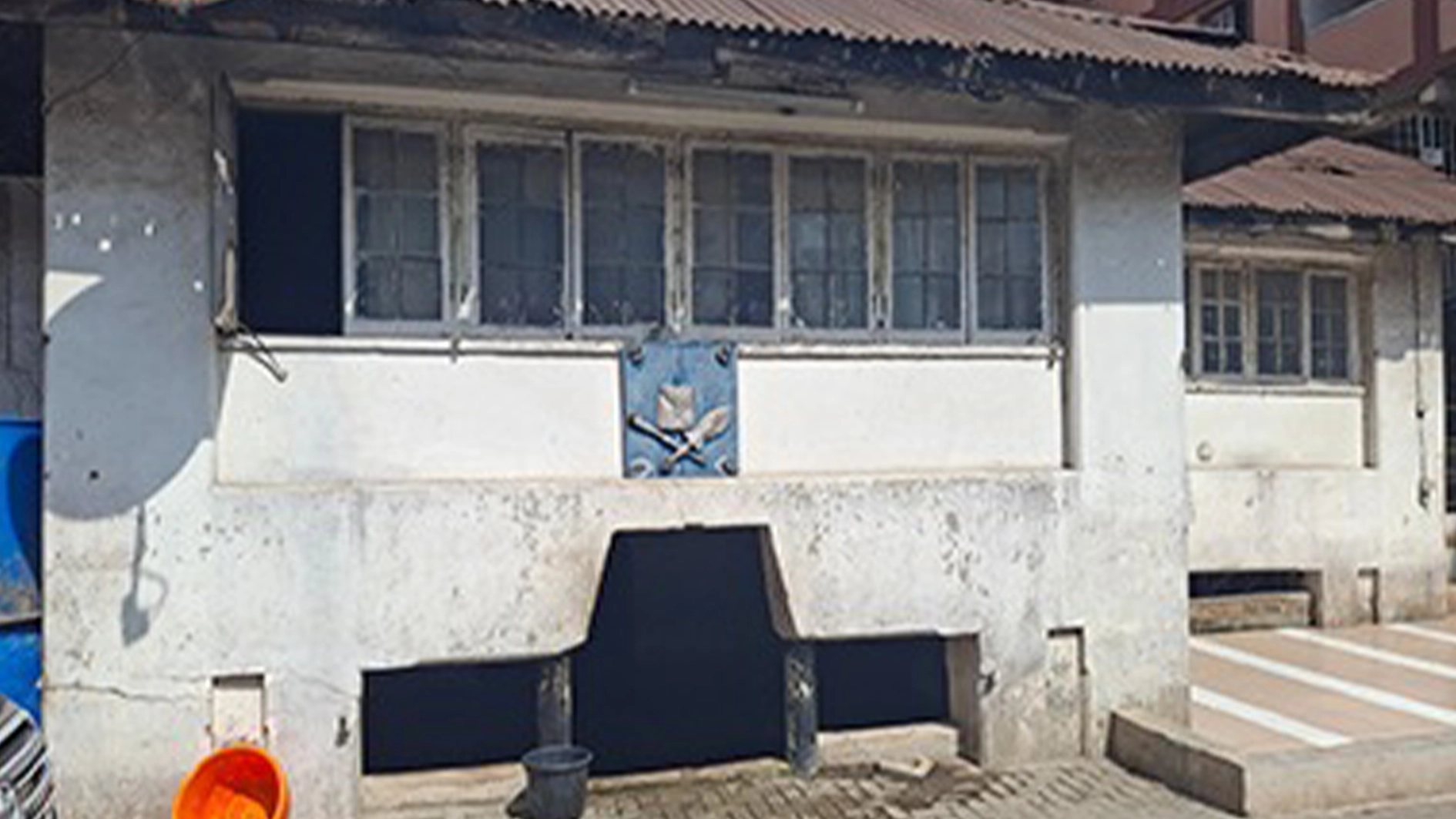
The gardens are gone, and a historic palace that once stood out for its greenery and traditional architecture is showing signs of deterioration.
For Prince Tajudeen Oluyole Olusi, head of the Olusi Royal House of Lagos, the palace at Oke Arin, Lagos Island, is more than a family residence. It is a reminder of the city’s history and the craftsmanship of generations past.
As the palace approaches its centenary, Olusi is appealing to the Lagos State Government to revive earlier plans to preserve the property, warning that neglect and the pressure for modern development could erase an important part of Lagos Island’s cultural heritage.
His appeal has received the backing of built-environment professionals, academics and heritage advocates, who say the palace offers a compelling example of why Lagos must move beyond identifying historic buildings to taking concrete steps to protect them.
The concerns were raised at a seminar organised by the Lagos Island Cell of the Building Collapse Prevention Guild (BCPG) on October 18, 2026, at the palace. The event, held to mark Olusi’s 90th birthday, had the theme, “Preserving Lagos Island Heritage Buildings.”
Recalling the palace’s former appearance, Olusi said the compound once had extensive gardens with apple, palm and coconut trees, alongside hibiscus and roses, making it a distinctive landmark in its surroundings.

He said the government, during the administration of former Governor Babatunde Fashola, had indicated its intention to preserve the palace. An architect was also reportedly assigned to develop preservation plans covering parts of Broad Street and the Marina area.
However, the proposed intervention has yet to translate into the level of protection he hopes to see.
Olusi urged the Commissioner for Physical Planning and Urban Development to work with relevant agencies, professional bodies and other stakeholders to revive the initiative and extend preservation efforts to other historic buildings on Lagos Island.
He argued that the palace and similar structures should not be demolished simply to make way for modern or multi-storey buildings, stressing that their architectural and historical significance deserved deliberate protection.
For the professionals at the seminar, the issue goes beyond saving old walls and roofs. It concerns preserving the stories, construction knowledge and cultural identity embedded in buildings that have survived generations of change.
The National President of BCPG, Town Planner Yusuf Sulaiman, said the Olusi Palace was among 23 heritage buildings identified on Lagos Island. He also cited the Lagos State Metropolitan Master Plan of 1980 and the state’s 2009 strategic plan, which identified 43 heritage sites across Lagos.
He expressed concern that many of the identified properties had not received adequate attention, despite their potential cultural, educational and tourism value.
Sulaiman said preserving the palace could help attract visitors from within and outside Nigeria while giving residents and younger generations a better understanding of Lagos’ history.
The pioneer president of BCPG, Builder Kunle Awobodu, described heritage buildings as valuable examples of the technical knowledge and craftsmanship of earlier generations.
He said structures that had remained standing for decades offered architecture and engineering students opportunities to examine traditional building methods, materials and techniques that contributed to their durability.
According to him, allowing such buildings to disappear would deprive younger professionals of the opportunity to learn directly from the achievements of their predecessors.
Awobodu maintained that heritage conservation should be integrated into sustainable development rather than treated as an obstacle to urban renewal.
The Dean of the Faculty of Environmental Sciences at the University of Lagos, Prof Olumide Afolarin Adenuga, also called for systematic efforts to document and maintain historic buildings.
He advocated regular structural assessments, appropriate repairs and sustainable funding to ensure that the buildings remained safe and useful.
Adenuga said some properties could be adapted for museums, cultural centres and other public uses without destroying their historical character, allowing them to serve contemporary needs while retaining their heritage value.
Senior Research Fellow at the University of Lagos’ Institute of African and Diaspora Studies, Dr Abisoye Eleshin, warned that demolishing historic buildings amounted to destroying the stories, traditions and collective memories associated with them.
He urged planners and construction professionals to look beyond prominent architectural landmarks and pay greater attention to traditional palaces, religious buildings and other structures that reflect the history of local communities.
Eleshin said such buildings connected present generations with their ancestors and provided tangible evidence of the cultural experiences that shaped their communities.
He added that losing them could leave future generations with fewer opportunities to understand their origins and heritage.
Olusi also highlighted the contribution of Brazilian returnees and emancipated Africans, some of whom possessed construction skills, to the development of notable buildings on Lagos Island.
He said preserving the palace and similar structures would help retain evidence of the architectural influences and craftsmanship that shaped the island’s built environment.
Responding to the concerns, the Lagos State Commissioner for Physical Planning and Urban Development, Dr Olumide Abiodun Oluyinka, acknowledged the need to incorporate heritage protection into the state’s urban planning framework.
He said the ministry’s responsibility for planning cities and urban areas required it to recognise significant historic structures and ensure that redevelopment did not lead to their indiscriminate demolition.
The commissioner noted that the Olusi Palace had served as a residence and seat of authority for an Oba of Lagos, with important community matters, including conflict resolution, handled there.
He outlined possible approaches to protecting heritage properties, including government acquisition and management, formal preservation restrictions with possible support, and conservation arrangements that would allow families to retain ownership.
Such options, he said, could provide a framework for protecting historic buildings while addressing the interests of their owners and the wider public.
Earlier, the Coordinator of the BCPG Lagos Island Cell, Builder Mubarak Gbajabiamila, said the seminar was organised to draw attention to the need to preserve Lagos Island’s architectural and cultural legacy.
He noted that buildings erected by previous generations had demonstrated considerable strength and durability, adding that their preservation could help younger people appreciate the knowledge and skills of earlier builders.
Participants called for stronger collaboration among government agencies, professional bodies, academics, property owners and community stakeholders to identify, document, maintain and protect historic buildings.
For Olusi, however, the priority is to ensure that the palace’s historical significance is matched by practical action.
With experts warning that neglect and uncontrolled redevelopment could permanently erase parts of Lagos Island’s past, the fate of the Olusi Palace presents the state with a pressing challenge: how to modernise the city without losing the buildings that tell its story.

