 Follow Us on Google News



 Follow Us on Google Discover
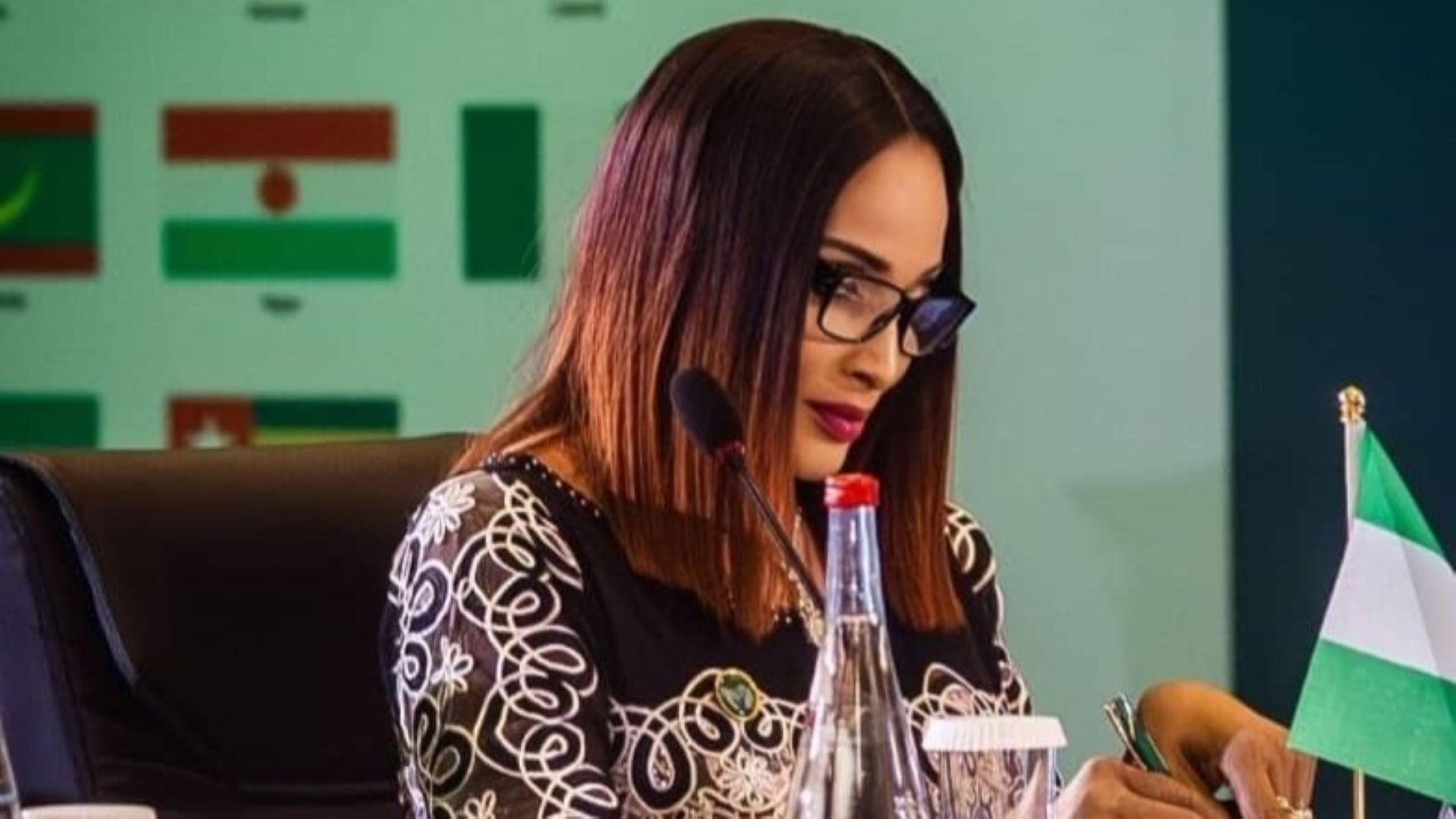
The Federal Government has called for increased South Korean investment in Nigeria’s manufacturing, automobile assembly, shipbuilding, and agricultural sectors to expand employment opportunities, accelerate technology transfer, and diversify the country’s economy beyond crude oil and gas.
The government said stronger economic cooperation with South Korea would help develop local industries, improve agricultural productivity and equip young Nigerians with skills needed to participate in productive economic activities.
The call came during the 2026 celebration of South Korea’s National Day in Abuja, where Nigeria and South Korea reaffirmed their commitment to strengthening bilateral trade, investment and technical cooperation.
Representing the Minister of Foreign Affairs, Ambassador Bianca Ojukwu, the Chief of Protocol, Ambassador Babagana Wakil, said Nigeria welcomed greater Korean participation in productive sectors that generate employment and strengthen domestic industrial capacity.
Wakil said Nigeria was particularly interested in expanding trade beyond crude oil and liquefied natural gas to include non-oil exports, especially agricultural produce, while attracting investments that would create jobs and facilitate the transfer of technology and expertise.
He also identified automobile assembly, shipbuilding and other manufacturing activities as areas where increased Korean investment could support Nigeria’s economic development.

“We welcome increased Korean investment in manufacturing, automobile assembly, shipbuilding, and other productive sectors that can promote technology transfer and employment generation,” he said.
The government also expressed interest in leveraging South Korea’s experience in agricultural mechanisation, improved rice production and agro-processing to strengthen food security and raise productivity. Nigeria is seeking opportunities to participate in Korea’s Care Rice Belt Initiative as part of efforts to improve agricultural output and develop employment opportunities along the food value chain.
Wakil said cooperation in education, digital technology, technical training and research would also be important in developing the human capital required to support industrial expansion.
He noted that Nigeria had benefited from Korean capacity-building programmes, including those facilitated by the Korea International Cooperation Agency (KOICA). He welcomed further initiatives to equip young people with relevant technical and professional skills.
The government’s position reflected a broader effort to translate Nigeria’s economic relationship with South Korea into investment, industrial development and employment, rather than allowing bilateral trade to remain concentrated in the energy sector.
On institutional cooperation, Wakil said Nigeria attached considerable importance to the Nigeria–Korea Joint Commission as a framework for advancing bilateral relations. He said the sixth session was held in 2021 and that Nigeria looked forward to hosting the seventh session in Abuja.
He called on the Korean government to send high-level officials to Nigeria for further engagement, expressing hope that the meeting would open additional avenues for investment and cooperation across productive sectors.
South Korean companies, including Daewoo, LG, Samsung and Hyundai, are among the firms the Korean ambassador identified as participating in commercial and technical cooperation with Nigeria. Their activities span manufacturing, energy, digital technology, and infrastructure.
Speaking at the event, Korea’s ambassador to Nigeria, Jeong Yo-an, said his country’s partnership with Nigeria is built on the principle of working as equal partners, sharing expertise and creating opportunities for mutual benefit.
He highlighted ongoing development initiatives involving Korean institutions and international partners, including entrepreneurship support, education and agricultural employment programmes.
Under a smart-school project implemented with the United Nations Development Programme (UNDP), the ambassador said the project reached about 8,000 children, and more than 300 teachers and school leaders received training.
Ambassador Jeong cited collaboration between KOICA and the Food and Agriculture Organisation to create green jobs for young Nigerians in agriculture, alongside support for entrepreneurs and start-ups.
According to him, the initiatives reflect a shared objective of expanding opportunities for young people, strengthening local businesses and improving livelihoods.

