 Follow Us on Google News



 Follow Us on Google Discover
The Petroleum Technology Association of Nigeria (PETAN) has estimated that the country needs about $6 billion in oil and gas equipment and hardware to raise crude oil production to three million barrels per day, identifying funding constraints, inadequate infrastructure and skills gaps as major challenges to achieving the target.
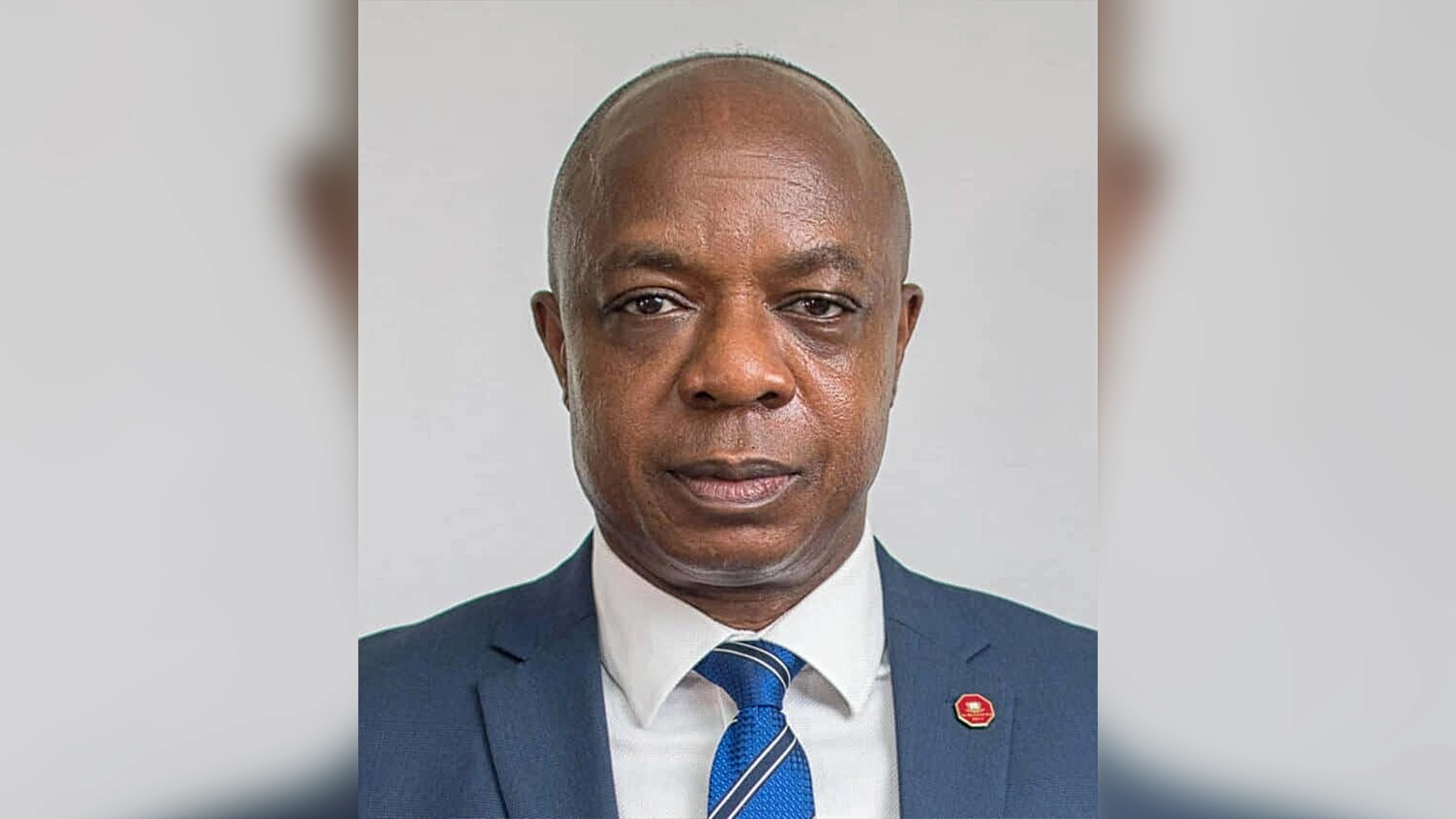
PETAN Chairman, Wole Ogunsanya, disclosed this at a media roundtable organised by the association in Lagos yesterday, where he called for strategic investment, improved access to financing and stronger local capacity to unlock Nigeria’s oil and gas potential.
He said Nigeria had the resources and market to expand production but lacked sufficient wells, surface equipment and midstream pipelines to bridge the gap between existing output and the country’s potential requirements.
“So, we estimated that we need about $6 billion of equipment and hardware to get to that three million barrels of oil that we need to get,” he said
He explained that the industry’s capacity constraints had become more pressing as refining investments expanded, with the Dangote Petroleum Refinery, the planned rehabilitation of the Nigerian National Petroleum Company Limited’s (NNPCL) refineries and other proposed private projects creating additional demand for crude oil.
According to him, Nigeria currently produces about 1.7 million barrels of oil daily, while the country’s refining capacity could reach approximately three million barrels daily if the planned and existing projects achieve their potential.
He cited the Dangote refinery’s 650,000 barrels-per-day capacity, the NNPC refineries’ combined potential capacity of 450,000 barrels daily and the proposed 350,000 barrels-per-day refinery by BUA Group, alongside plans by Dangote to expand its facility.
However, he noted that the NNPC refineries still needed to be restored to operation, adding that the national oil company was working with Chinese partners on a rehabilitation arrangement.
Ogunsanya said the growing refining capacity presented an opportunity for Nigeria to sustain crude production even when international oil prices declined, rather than allowing the industry to follow the boom-and-bust pattern that had characterised its operations.
“Because we need to feed our refinery. People in Nigeria will continue to drive. Whether the oil price is high or low, the refined products are going to be exported,” he added.
The PETAN chairman argued that sustained production would require deliberate planning and investment in equipment before prices improved, allowing Nigeria to respond quickly when market conditions become favourable.
He said the country had struggled to produce enough crude despite the recovery in oil prices following the COVID-19 pandemic, while producers elsewhere had continued preparing their operations to apitalize on market opportunities.
Ogunsanya also identified financing as a major obstacle for indigenous oilfield service companies, noting that equipment purchases could run into millions of dollars, while land rigs could cost between $30 million and $40 million, swamp rigs between $160 million and $170 million, and jack-up rigs between $300 million and $400 million, depending on specifications.

