 Follow Us on Google News



 Follow Us on Google Discover
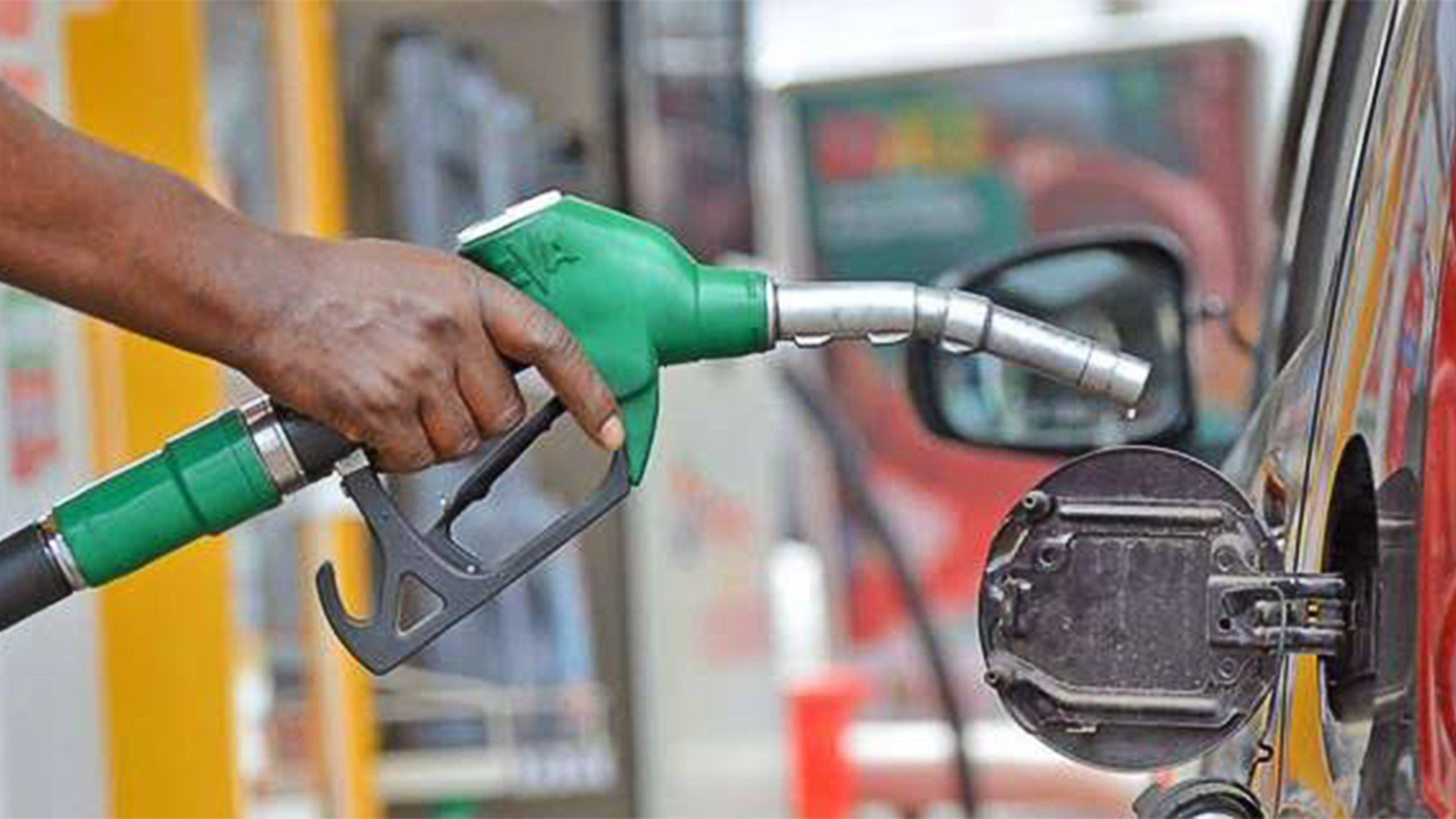
The nation’s economy is still at a troubling point, with diesel, the lifeblood of industrial activity, crossing the N2,000 per litre mark recently amid epileptic and expensive electricity supply. If something serious is not done to address the problem of high energy costs, it may suffocate the real sector, forcing some companies to go under and worsening the hardship of ordinary citizens.
Manufacturers are already apprehensive and Nigerians are expressing deep concerns about the situation caused mainly by government policies and gross inefficiency in the power sector. In the last five years, the Manufacturers Association of Nigeria (MAN) has consistently raised the alarm over the rising cost of operation, particularly the cost of energy, lamenting that many of its members have closed shop.
A recent report revealed that energy now gulps nearly 50 per cent of manufacturers’ operating expenditure (OpEx). This is not just a statistic; it is a brutal reality that is eroding competitiveness, shrinking margins, and may push many more firms out of business. The MAN Director-General, Segun Ajayi-Kadir, said production costs in the sector had risen by more than 400 per cent, with power-related expenses that previously accounted for about 40 per cent of operating costs now exceeding 50 per cent following the sharp increase in diesel price in the past six months.
The report revealed that as of February this year, a litre of diesel, used to power manufacturing and haulage operations, sold for about N1, 200 in Lagos and Ogun states. The price has since soared by about 75 per cent, following disruptions to energy markets linked to the Iranian conflict and the recalibration of the pricing methodology by the Dangote Petroleum Refinery. Among the concerns is the fact that the rising cost of production has significantly weakened the ability of local manufacturers to compete with their peers in other countries for the local market and leverage the opportunities under the African Continental Free Trade Area (AfCFTA).
It was reported that manufacturers’ expenditure on alternative energy rose from N782 billion in 2023 to N1.1 trillion in 2024 and further to N1.34 trillion in 2025. According to MAN, spending in the first half of 2026 alone is already at par with the total recorded in 2025, underscoring the escalating cost of keeping factories running. Ajayi-Kadir lamented that manufacturers are now facing a dual threat of soaring production costs and rapidly accumulating inventories. The situation directly threatens the sector’s target of 3.1 per cent real growth in 2026.
The manufacturers’ complaints deserve special attention from the relevant authorities for the survival of the productive sector. When energy costs consume half of operational budgets, investment in innovation, expansion, and job creation becomes almost impossible. Consequently, companies are forced to scale down production, lay off workers, or shut down entirely. The ripple effect can be devastating to society, especially as it makes unemployment levels rise, consumer purchasing power fall, and the economy spiral further into contraction.

What makes this crisis more infuriating is the paradox of regulation of the electricity sector. Unlike petroleum products, electricity is heavily regulated, but with no positive outcome. Tariffs are adjusted upwards regularly, without commensurate improvement in supply. Even with inadequate supply of power, the Distribution companies (DisCos) still insist on cost-reflective tariffs. The consumers, both households and industries, are left in darkness or saddled with erratic supply.
In other countries, electricity regulation is designed to protect the real sector and incentivise productivity in the interest of the national economy. Checks showed that in South Africa, for instance, despite its energy challenges, industries enjoy structured support mechanisms to cushion them from shocks. In Ghana, regulatory frameworks prioritise stability and predictability. Nigeria, by contrast, has created a system where manufacturers are forced to rely on diesel generators as their primary source of power. This is not regulation; it is abdication from doing the needful.
The rising cost of diesel has become a Nigerian ‘cancer’. A publication on the front page of the New Nigerian newspaper dated Monday, March 31, 1975, with the title: “Third National Development Plan launched: Strategy to Beat Fuel Crisis Outlined”, confirms that the crisis has been rocking Nigeria for decades. Painfully, 51 years after, Nigeria has remained static in the cycle, nothing significant has been achieved, even after the launch of several other development plan. It is very shameful for the country, to say the least!
Today, the high cost of cement, loaf of bread, tubers of yam, sachet of water, transportation, and practically every other product is directly or indirectly tied to energy costs. When diesel prices soar, the cost of goods and services follows suit. Inflation, already at a record high, is further worsened. The National Bureau of Statistics puts headline inflation (YoY) at 15.43 per cent and food inflation (YoY) at 20.31 per cent as of July 2026.
For the average Nigerian, the consequences of rising energy costs are also stark. Families are forced to cut back on essentials, no more healthy meals, let alone a balanced diet. Small businesses struggle to survive, and the informal sector, the backbone of the economy, is squeezed dry. The promise of economic recovery becomes a mirage when the cost of living rises faster than incomes. Industry analysts frequently argue that the solution is not complicated; it only requires political will and strategic foresight of the country’s leaders.
The government must be told again that the real sector needs regular electricity supply, not occasional bursts of power, not promises of future reforms. The gross inefficiency in the power sector must be tackled pragmatically. Without this, Nigeria cannot industrialise, diversify its economy, and lift its people out of poverty. Regular electricity would reduce dependence on diesel, slash operating costs, and restore competitiveness to Nigerian products. It would attract foreign investment, stimulate local innovation, and create jobs. Most importantly, it would ease the burden on ordinary Nigerians who are currently paying the price for systemic failure.
A comprehensive energy reform that prioritises generation, transmission, and distribution should be implemented. Investments in renewable energy must be scaled up, regulatory bottlenecks dismantled, and accountability enforced in the power sector. The manufacturers must be part of the solution. Collective advocacy, strategic partnerships, and investment in alternative energy sources can help mitigate the crisis. But ultimately, the responsibility lies with the policymakers to create an enabling environment.
The rising energy cost is a warning bell. If ignored, it could destroy the real sector and frustrate the hope of millions of Nigerians.

