 Follow Us on Google News



 Follow Us on Google Discover
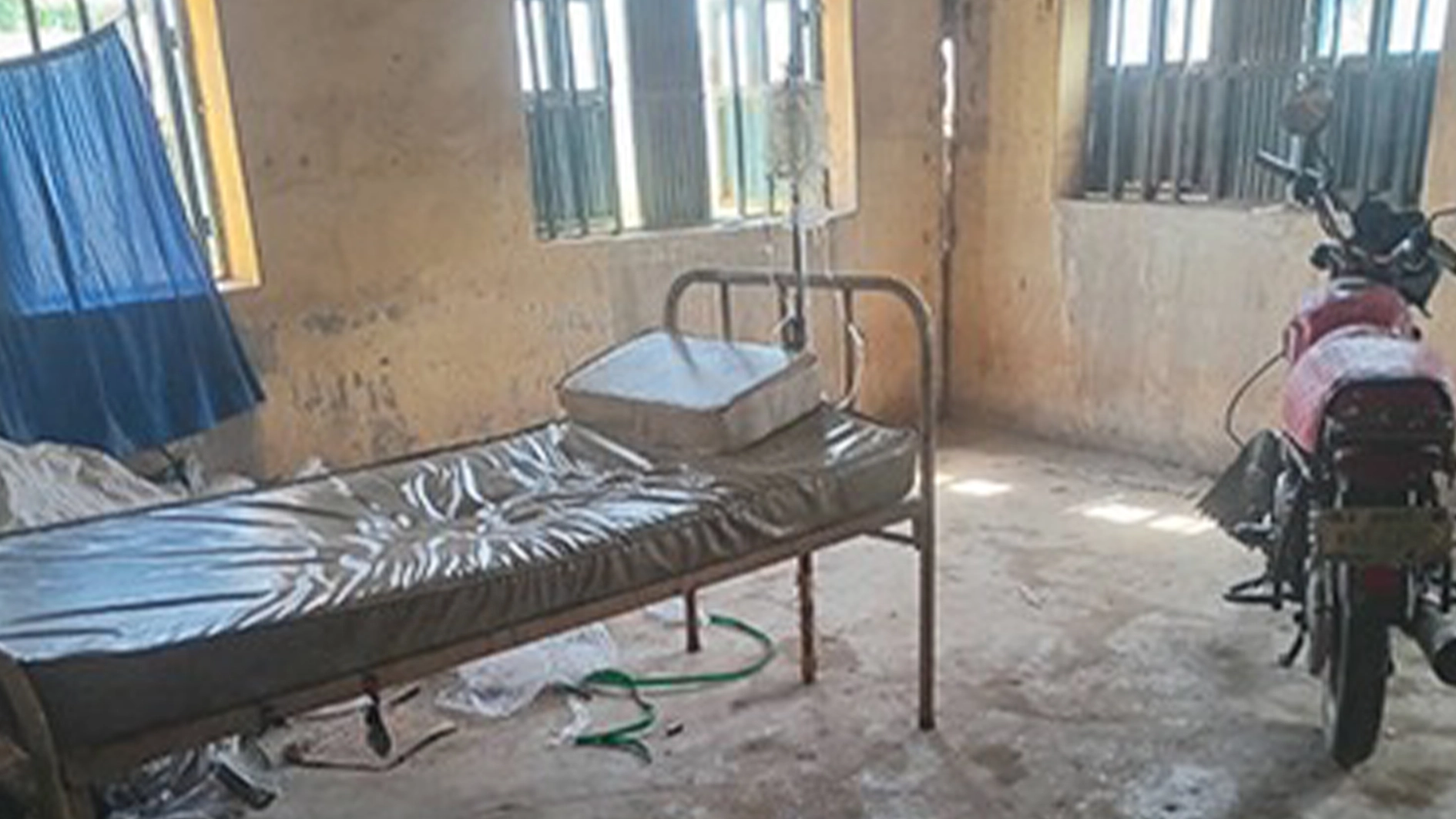
The Federal Government’s plan to establish six world-class medical simulation centres nationwide is a welcome development that will boost healthcare delivery. Simulation centres are vital to modern medical education, giving doctors, nurses, and other health professionals the chance to practise complex procedures in a controlled environment before applying them to real patients. In a country where medical errors can be fatal and training opportunities are limited, such centres could raise the standard of medical practice. They represent a step towards aligning Nigeria’s medical training with global best practices.
Minister of Education, Dr Tunji Alausa, who revealed this plan while receiving the report of the Tertiary Education Trust Fund (TETFund) Medical Simulation Committee, described the proposed centres as critical to equipping students in medicine, nursing, pharmacy, dentistry, and other allied health professions with hands- on skills. The development came against the backdrop of a sharp increase in admissions to health-related programmes, with the minister revealing that nursing enrolment has jumped from about 38,000 students three years ago to more than 120,000, while yearly medical school admissions have risen from about 5,000 when President Bola Ahmed Tinubu assumed office to nearly 12,000 currently.
According to Alausa, the government is targeting a further increase in yearly medical student admissions to about 20,000 within the next three years, making the need for modern practical training facilities crucial and urgent. He noted that admissions to pharmacy and dental programmes have also doubled. To produce sound professionals, the expansion in student numbers must be matched by corresponding investments in the quality of training. The proposed simulation centres would help bridge the gap between classroom instruction and real-life clinical practice by providing students with access to modern, controlled environments where they can develop critical skills before engaging in the treatment of patients.
Commendable as the plan is, it must be tempered with realism. Nigeria’s healthcare system remains in dire straits, and the establishment of six simulation centres, no matter how advanced, may not mask the deep rot. There are too many patients to be taken care of by too few doctors, in a system that largely serves the wealthy, leaving the poor to fend for themselves.
Nigeria has one of the lowest doctor-to-patient ratios globally. According to the World Health Organisation (WHO), the recommended ratio is one doctor to 600 patients. In Nigeria, however, it is roughly one doctor to 5,000 patients! The gap is dangerously and unacceptably wide. The concern is that even the most skilled doctors, trained in the finest simulation centres, will remain overwhelmed by the sheer number of patients to be attended to. Patients wait endlessly in overcrowded hospitals, often only to be attended to eventually by exhausted physicians who have been stretched beyond their limits.
The situation is compounded by the exodus of medical professionals from the country. Thousands of Nigerian doctors and nurses leave the country every year in search of better pay and working conditions abroad. The so-called “Japa syndrome” has hollowed out our healthcare workforce. What good will simulation centres serve if the very professionals they are meant to train are fleeing the country in droves? Without urgently formulating policies to retain talent, Nigeria risks continued training doctors for export rather than for service at home.

There is also the problem of accessibility. It is easy to observe that healthcare in Nigeria is increasingly stratified along class lines. The wealthy can afford private hospitals, often with better facilities and shorter waiting times. The poor, meanwhile, are left to languish in underfunded public hospitals where basic supplies are scarce, electricity is unreliable, and equipment, outdated. Simulation centres, unless carefully integrated into the public system, risk becoming yet another elite project, accessible only to a select few, while many of the citizens remain excluded from quality healthcare services.
Moreover, the few healthcare infrastructures are crumbling. Many hospitals lack functional laboratories, intensive care units, a stable source of electricity and even clean water. In most cases, patients are asked to purchase the required drugs, syringes, and gloves before treatment can begin. In such an environment, the promise of “world-class” simulation centres rings hollow. Training doctors in advanced techniques is laudable, but if those doctors return to hospitals without the equipment to implement what they’ve learned, the impact will be negligible.
For the simulation centres to make a remarkable impact, they should be made part of a broader systemic overhaul. Nigeria needs sustained investment in primary healthcare, where most citizens first encounter the system. There should be policies that will facilitate retention of medical professionals in the country. The wages and working conditions should be such that they make staying in Nigeria attractive. The health system needs infrastructure upgrades, functional hospitals, reliable electricity, and adequate supplies. It should provide equitable access to ensure that healthcare is not a privilege for the rich but a right for all.
There is also the issue of sustainability. Nigeria has a history of launching ambitious projects that will later fall into disrepair due to poor maintenance and lack of adequate funding. Simulation centres require constant updates, skilled technicians, and regular investment to remain “world-class.” Without a clear sustainability plan, these centres risk becoming white elephant projects, impressive at launch but useless within a few years.
Simulation centres can enhance medical training, but they cannot heal a broken system. They cannot replace the urgent need for more doctors, better and well-equipped hospitals, fairer access, and stronger infrastructure. They cannot substitute for policies that will stem the tide of medical brain drain. They cannot, on their own, deliver healthcare to the millions of Nigerians who currently suffer without it, especially in the rural areas.
Nigeria’s healthcare crisis is not a matter of technology alone; it is also a matter of governance, equity, and commitment. If the government is truly committed to transforming the health system, it must go beyond simulation centres to confront the systemic failures that have left the system in tatters. Only then can Nigeria build a healthcare system that is not only world-class in training but world-class in delivery.

