 Follow Us on Google News



 Follow Us on Google Discover
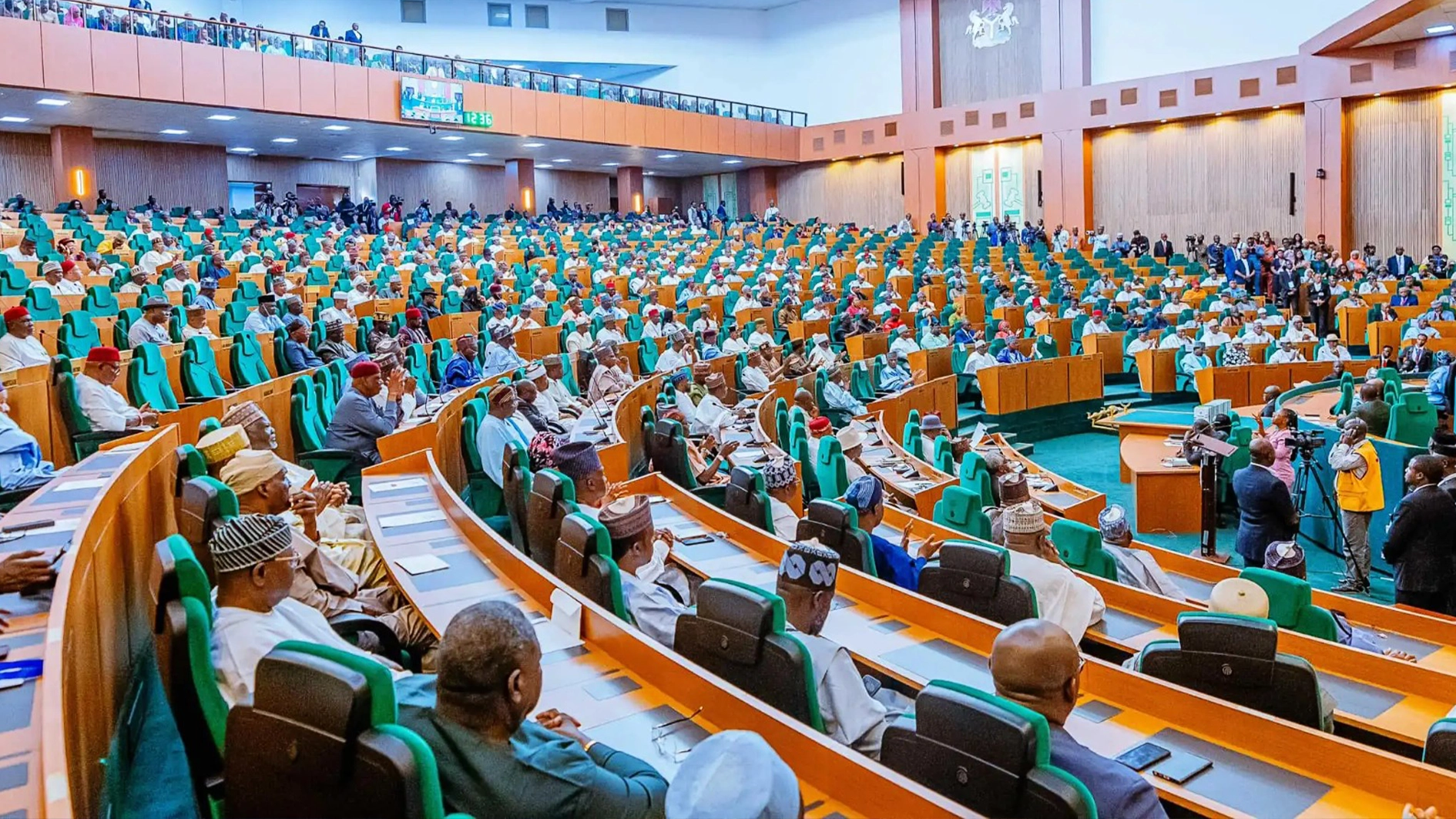
The House of Representatives on Thursday disagreed over a proposed one-year tuition fee waiver for students in federal tertiary institutions, as Minority Leader Fred Agbedi, challenged the procedure adopted by Deputy Speaker Benjamin Kalu.
Agbedi faulted Kalu for inviting the House Leader to speak on the proposal after its sponsor had stepped it down, arguing that the action breached the House rules on the arrangement of business.
The disagreement also exposed concerns over the relationship between the proposed waiver and the Nigerian Education Loan Fund (NELFUND), which provides financial support for eligible students.
Citing Order 8, Statute 1, Agbedi questioned why the presiding officer invited the House Leader to address an issue that was no longer before the House for debate.
“We have passed personal explanation, we have passed orders of the day, and Mr Speaker, you stepped down a motion that was brought by Honourable Satomi, and then, you called on the Leader of the House to intervene on a matter that is not within the order,” he said.
The Minority Leader also argued that the proposal raised questions about the existing NELFUND law, which established a framework for financing students’ education.

He maintained that a motion seeking government payment of tuition fees for all students could conflict with the existing legislation.
“You cannot bring a motion to amend the NELFUND law. It is not as to how many people have benefited or have not benefited,” Agbedi said.
He added that the Federal Government could not be asked to pay school fees for all Nigerians through a motion without considering the law already enacted by the National Assembly and assented to by the President.
Agbedi further described the decision to invite the House Leader to address the proposal after its withdrawal as inconsistent with the House rules.
However, Kalu rejected the objection and ruled the Minority Leader out of order.
“You are ruled out of order. You are ruled out of order,” the Deputy Speaker declared.
Earlier, the motion’s sponsor, Ahmed, had informed lawmakers that he consulted the House Leader, who addressed some concerns raised about the proposal. He subsequently stepped down the motion.
Kalu then invited Majority Leader Julius Ihonvbere to brief the House on NELFUND’s achievements since the scheme began operations.
Ihonvbere disclosed that NELFUND had disbursed N372.6 billion to students and tertiary institutions as of September 29, 2026.
He said the fund had paid N192.9 billion directly to tertiary institutions to cover tuition fees, while students received N79.7 billion in monthly upkeep allowances.
The Majority Leader added that the scheme had received more than 2.3 million applications and covered 319 institutions, with approximately 1.659 million students benefiting.
He urged lawmakers to sensitise their constituents about the programme and encourage eligible students to apply.
According to him, applicants could complete the process online without personal connections or visits to government offices.
The proposed tuition waiver seeks to ease the pressure on Nigerian households following the Federal Government’s economic reforms, including the removal of the petrol subsidy.
The motion’s sponsor cited rising food, transportation, accommodation and electricity costs as factors making it increasingly difficult for parents and guardians to finance tertiary education.
He warned that students unable to meet tuition fees and other compulsory institutional charges risked dropping out, deferring their studies or facing prolonged financial hardship.
The proposal also raised concerns that financial barriers to education could worsen youth unemployment, inequality and social instability.
While acknowledging education as a tool for national development, poverty reduction and social mobility, the sponsor called for a temporary intervention to support students while economic reforms continue.
He urged the Federal Government to introduce a one-year emergency tuition fee waiver for eligible students in federal universities, polytechnics, colleges of education and other federal tertiary institutions.
The motion also called on federal and state governments to ensure that any relief programme remained time-bound and subject to periodic review, without undermining the quality, accessibility or sustainability of tertiary education.

