 Follow Us on Google News



 Follow Us on Google Discover
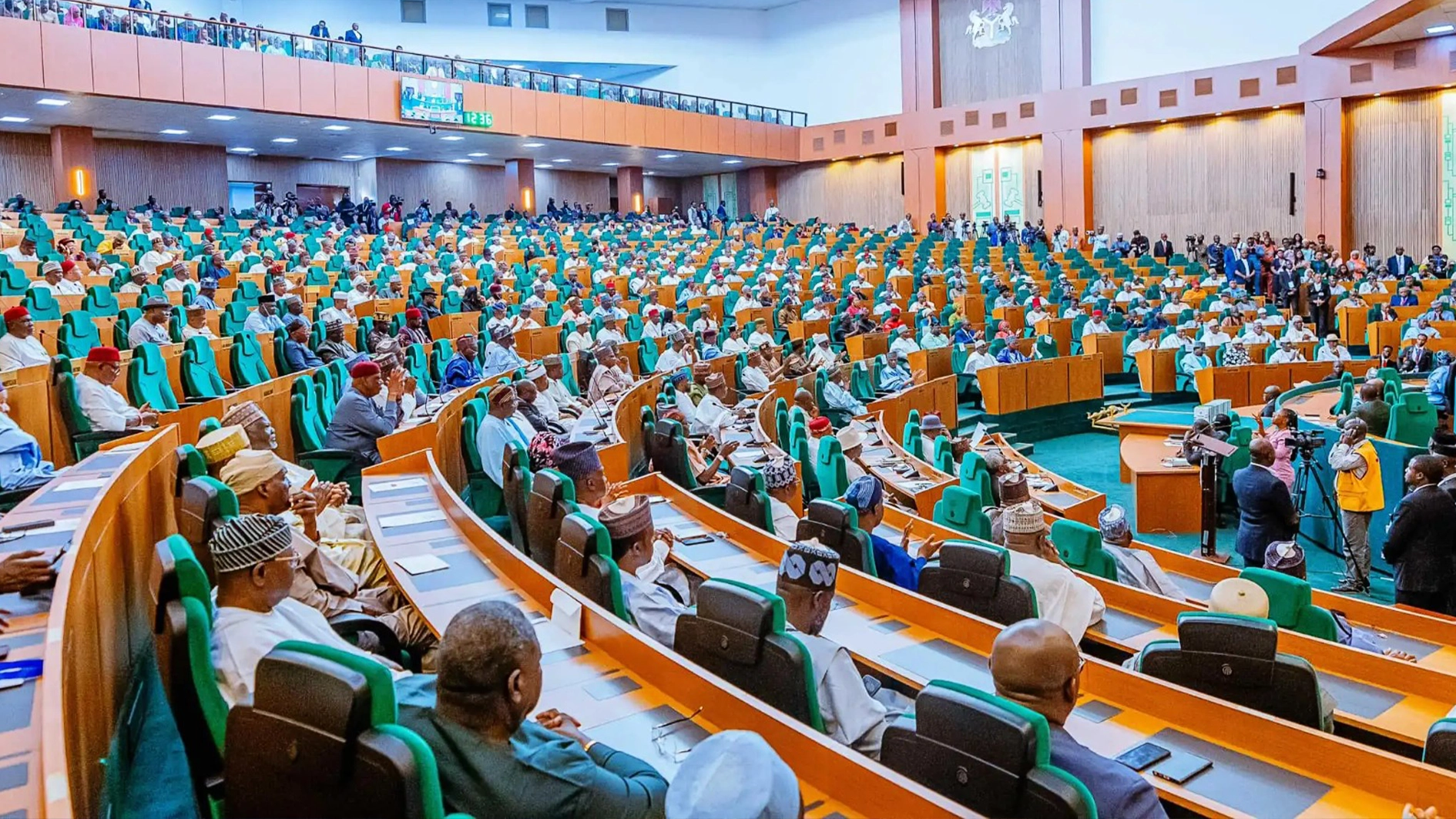
The House of Representatives has ordered a probe of alleged illegal structures and commercial activities beneath Eko Bridge and other Federal bridges in Lagos State over concerns about infrastructure damage and public safety.
The House directed its Committees on Works and Public Assets to investigate the developments and determine whether the occupants secured the necessary approvals from relevant authorities.
The resolution followed the adoption of a motion of urgent public importance sponsored by Lanre Okunlola, who represents Surulere II Federal Constituency, Lagos State.
Lawmakers expressed concern that unauthorised activities around Eko Bridge, particularly near its foundations, had reportedly damaged critical structural components and necessitated emergency engineering intervention.
They warned that continued encroachment could weaken the bridges, obstruct routine inspections and repairs, and expose commuters and neighbouring communities to safety risks.
“The continued occupation of areas beneath and adjacent to Federal bridges may impede routine engineering inspections, emergency repairs and future expansion works while posing significant risks to commuters and adjoining communities,” the motion stated.

Eko Bridge serves as a major transport link between Lagos Mainland and Lagos Island. The Federal Ministry of Works oversees the infrastructure.
The investigation will cover containers, warehouses, makeshift structures, markets, workshops and other commercial establishments operating within the bridges’ right-of-way.
The Committee on Works will determine whether the structures and commercial activities comply with the Federal Highways Act, applicable planning regulations and the guidelines of the Federal Ministry of Works.
The Committee on Public Assets will establish whether anyone has unlawfully occupied, leased or used public property in violation of existing laws. It will also identify individuals, agencies or organisations responsible for any established breaches.
To support the investigation, the House directed the Federal Ministry of Works, the Federal Roads Maintenance Agency (FERMA), the Nigerian Inland Waterways Authority, where applicable, and Lagos State physical planning authorities to submit relevant documents.
These records will include approved engineering drawings, survey plans, right-of-way maps, occupancy permits and other approvals relating to developments beneath and around the affected bridges.
The lawmakers also called for enforcement measures, including the removal of structures found to occupy Federal right-of-way illegally.
They further urged the relevant authorities to introduce long-term measures to protect, monitor and preserve Federal bridges nationwide.
The committees must submit their findings to the House within six weeks for further legislative action.
Lawmakers attributed the proliferation of unauthorised developments partly to possible coordination gaps among the Federal Ministry of Works, FERMA, the Lagos State Government and other relevant agencies.
The proposed investigation follows earlier concerns about the structural integrity of Eko Bridge.
In May 2026, Works Minister David Umahi announced emergency intervention after illegal sand-mining activities reportedly damaged parts of the bridge’s supporting infrastructure.
Umahi disclosed that a barge had struck a pile cap, damaging supporting piles and prompting plans for urgent repairs. The Federal Government subsequently announced the temporary closure of one carriageway to facilitate the intervention.
Eko Bridge has undergone rehabilitation at different times, highlighting the need to protect its structural components from activities that could worsen defects or complicate maintenance.
The House investigation is expected to establish the status of commercial establishments beneath the affected bridges, verify their approvals and identify measures to prevent further encroachment.
Beyond Eko Bridge, the inquiry could strengthen oversight of activities beneath other Federal bridges in Lagos State, particularly where unauthorised occupation obstructs engineers’ access for inspections, emergency repairs and routine maintenance.

