 Follow Us on Google News



 Follow Us on Google Discover
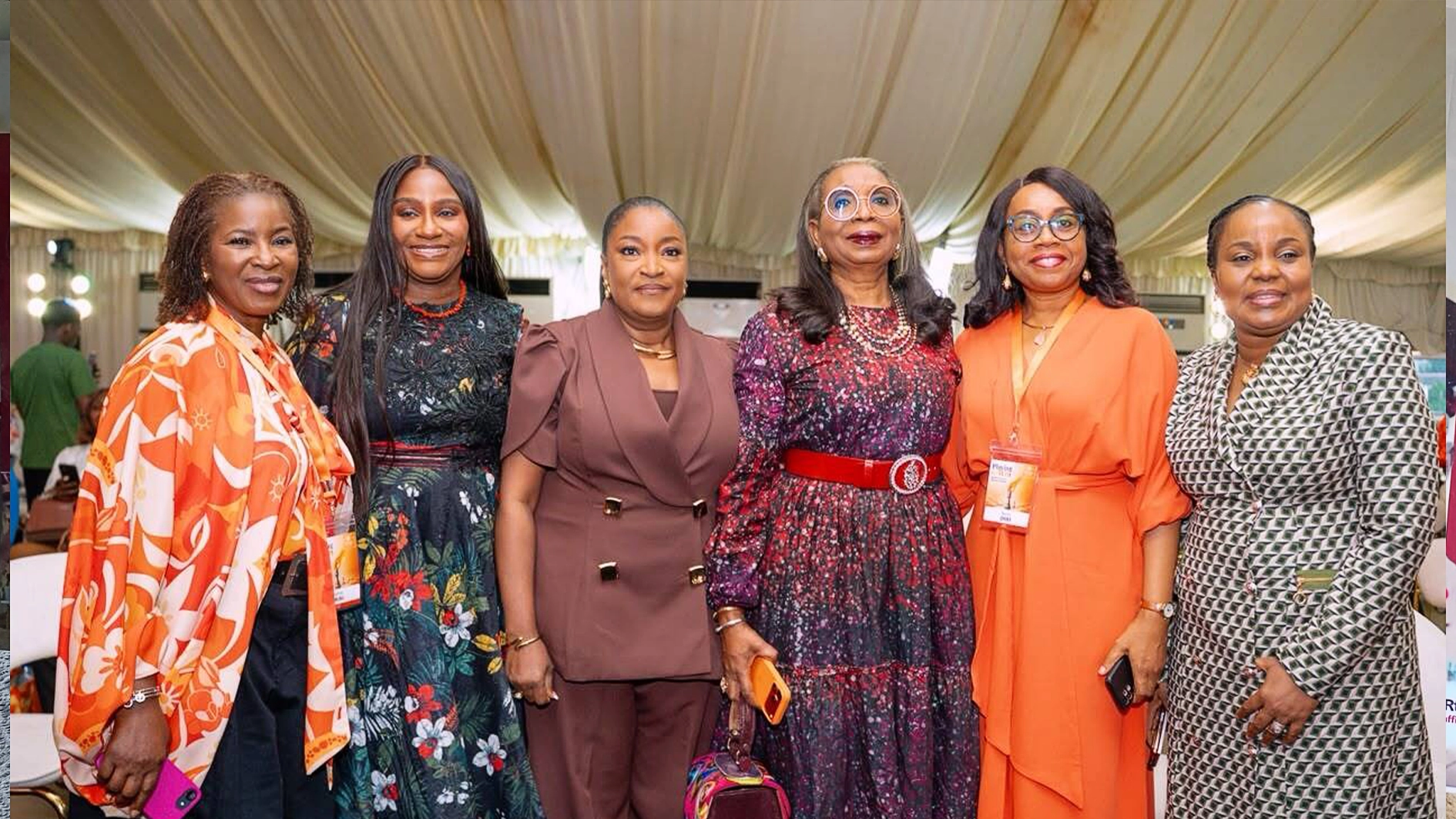
Women have been urged to build strategic relationships, make their contributions visible, and prepare successors for leadership positions to advance their careers and create lasting impact in their organisations. They were also advised to combine professional competence with integrity, understand workplace power dynamics and support other women rather than see them as competitors.
The charge was given at The Executive Woman Summit 2.0, themed “Playing to Win: Elevating Your Vision, Value and Visibility.”
Speaking at the summit, the convener, Bola Matel-Okoh, a lawyer, board director, entrepreneur and executive coach, alongside other speakers, urged women to take deliberate steps towards career advancement by identifying their goals, communicating their value and building relationships that could open doors to opportunities.
Matel-Okoh said women needed to ask themselves whether they were pursuing the vision they truly believed in, clearly articulating the value they brought and becoming visible where decisions about opportunities, resources and leadership were made.
She said elevating one’s vision required looking beyond one’s present position, while understanding one’s value involved developing and communicating one’s contributions. Visibility, she added, meant allowing those contributions to be seen, heard and recognised.
Matel-Okoh challenged participants to consider how organisations developed high-potential women, who received sponsorship and who was trusted with business responsibilities, stressing the need for women’s representation to translate into authority and influence.

Speaking on “Mastering Unspoken Corporate Politics and Power Dynamics,” Folake Sanu said hard work alone might not guarantee career advancement if employees failed to make their contributions visible or understand how decisions were made in their organisations.
Drawing on her two-decade banking career, Sanu said women needed to understand both formal authority and the informal relationships that influenced workplace decisions. She urged them to document their achievements, quantify results and communicate their contributions using measurable outcomes and key performance indicators.
She also advised women to build relationships across departments and levels of seniority, develop negotiation and stakeholder-management skills, and take on assignments that demonstrated their readiness for greater responsibility.
Sanu stressed that career advancement required deliberate planning, urging women to identify the positions they wanted to attain and develop the experience and skills needed to occupy them. She also encouraged leaders to mentor others and prepare successors instead of holding on to positions without developing people capable of taking over.
During a fireside chat, founder of The Chair Centre Group and former chairperson of First Bank of Nigeria, Ibukun Awosika, said women should define success on their own terms and use their abilities and resources to make meaningful contributions to their families, society and the wider world.
Awosika said she wanted to “die empty” by making full use of her gifts and resources rather than leaving her potential unused. She stressed that women should measure success against their own goals and values instead of allowing other people’s expectations to determine their achievements.
She also emphasised the need to build institutions and networks that could survive beyond their founders. Citing a women’s leadership network, Awosika said it transitioned to another chairperson after its founder had led it for 10 years. She also mentioned women from the Niger Delta who had built a community, organised conferences and raised funds to support other women.
Awosika explained that reducing her business’s dependence on her daily involvement enabled her to take on other leadership responsibilities, including positions at First Bank, FBN Capital and an insurance company. On balancing leadership with family life, she said women needed to recognise when to decline additional responsibilities, protect their health and make time for their families.
Also speaking during the fireside chat, Chairman of MTN Foundation, Mosun Belo-Olusoga, said winning involved creating value and developing people who could eventually become better than their mentors.
Belo-Olusoga said she took pride in the individual’s professional growth and acknowledgement of the role she played in that development. She stressed that leaders should develop people capable of taking over their responsibilities rather than hold on to positions without preparing successors.
She said leaders who spent many years in office without grooming successors had neglected an important responsibility. Citing her experience of developing a successor who could keep an organisation running during her absence, she underscored the importance of building capable teams and systems that did not depend entirely on one person.
Belo-Olusoga also urged leaders to treat employees as people with responsibilities and challenges beyond the workplace. She said supporting staff through difficult circumstances could strengthen trust and loyalty, while leaders should also guide employees towards maintaining professionalism.
Speaking during a panel session on “Relationships That Elevate: Collaboration Over Competition,” the Chief Operating Officer of SAS Textiles, Toyin Bakare; actor, broadcaster and media personality, Layole Oyatogun; values and character strategist and founder of Shape A Child, Izehi Anuge; and Chief Executive Officer and Managing Director of Z-Edge Limited, Kikelomo Atanda-Owo, urged women to build professional relationships based on competence, credibility and mutual support.
The session highlighted the importance of preparing for networking opportunities, following up after meeting people and identifying areas where professional skills and interests could complement one another.
The panelists encouraged women to share information and opportunities rather than hoard them, noting that professional growth could be strengthened when women opened doors for others. They also advised participants to prioritise integrity, character and transparency when building relationships and to distance themselves from networks that encouraged dishonesty, envy or compromised personal values.

