 Follow Us on Google News



 Follow Us on Google Discover
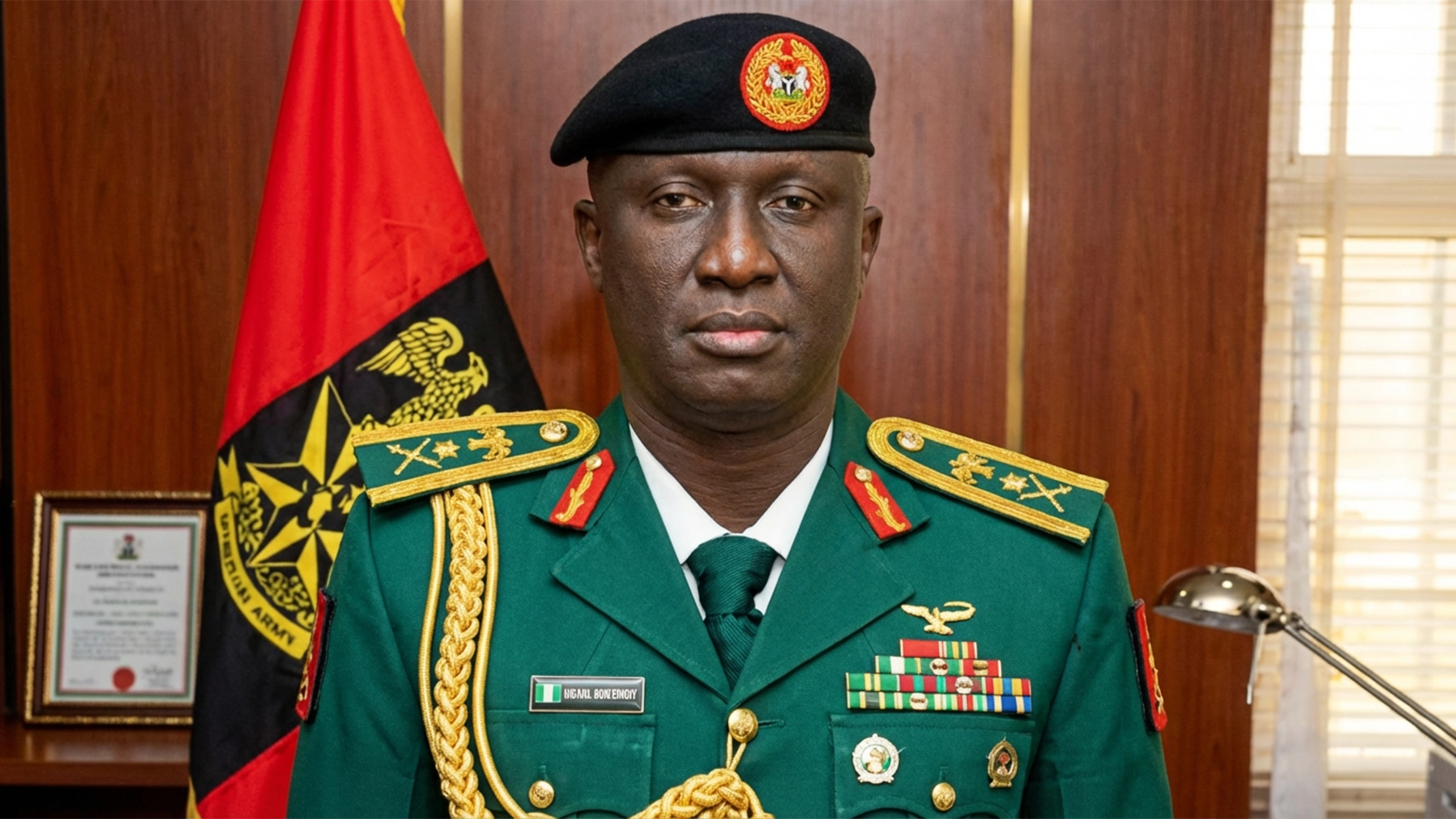
When President Bola Ahmed Tinubu, GCFR, Commander-in-Chief of the Armed Forces of the Federal Republic of Nigeria, appointed General Shaibu Waidi as the Chief of Army Staff on 30 October 2025, other Service Chiefs and security analysts recognised the choice of Shaibu as a deliberate pivot toward frontline-tested doctrine. For adversaries lurking in the Sambisa forest, the Mandara mountains, and the ungoverned spaces across the country, the message was unmistakable: a proven adversary had assumed command. Twelve months later, General Waidi’s stewardship has earned widespread praise, from the Presidency and Nigerian citizens to international defence bodies and global peace advocates. His one-year tenure reflects a transition from orthodox administrative oversight to dynamic, operational excellence.
A thoroughbred officer of the Nigerian Army Armoured Corps, General Waidi’s career was defined long before his ascension to the apex of army command. From his early days in tactical command at platoon and company levels to high-level staff responsibilities at both Army Headquarters and Defence Headquarters, he established a track record grounded in rigour and execution.
Unlike commanders who settle into the quiet routine of administrative life, Waidi built his reputation in combat zones. His operational footprints run deep through vital internal security and counter-insurgency operations, notably Operation Lafiya Dole and Operation Hadin Kai in the North-East.
Beyond Nigeria’s borders, he distinguished himself internationally on peacekeeping deployments, including the United Nations Mission in Liberia (UNMIL) and the African Union Mission in Sudan (AMIS).
His senior leadership tenures, first as General Officer Commanding 7 Division and Commander Sector 1, and subsequently as Theatre Commander of the Joint Task Force (North East) Operation Hadin Kai, marked an aggressive period for adversary networks. Under his watch, territory was systematically reclaimed, supply lines were severed, and Boko Haram and ISWAP strongholds faced unrelenting combat pressure.
When his transfer from the North-East was announced, local communities openly mourned the departure of an officer who had restored stability to their towns and villages. To an emotional populace, the tall, composed general offered a quiet, prophetic pledge: “I will always be with you.”
Following a strategic posting in April 2025 as Director of Armour Research at the Nigerian Army Heritage and Future Centre, where he contributed to technological integration and doctrine formulation, destiny called on 30 October 2025. Adversaries who assumed the Army Chief role would confine him to a desk in Abuja quickly learned that his operational tempo would remain as direct and engaged as ever.

Over the past year, General Waidi translated his operational experience into systemic military reforms. Recognising Nigeria’s vast territorial expanse, he moved away from overly bureaucratic command architectures. He championed the practical decentralisation of military formations, devolving operational decision-making power down to forward-operating units, field sectors, and rapid-response detachments. This decentralisation cut reaction times, eliminated procedural delays during hostile flare-ups, and allowed theatre commanders to launch swift tactical interdictions without waiting for bureaucratic clearance from the capital.
At the same time, General Waidi broke the traditional mould of executive distance. Refusing to lead by proxy, he has consistently spent his weekends, festive seasons, and operational pauses on the frontlines, from forward operational bases in Borno, Yobe, and Kaduna to crisis centres across the North-West and the Niger Delta. By standing shoulder-to-shoulder with troops under live operational conditions, he transformed combat morale, inspiring an aggressive posture throughout the ranks.
Central to this doctrine is the principle that tactical effectiveness starts with personnel welfare. Over the past twelve months, the Army instituted comprehensive overhauls of field allowances, combat insurance schemes, and primary healthcare delivery for frontline soldiers and their dependents. Housing revamps across major barracks and swift medical evacuations for wounded personnel reinforced trust between the military leadership and troops in the field. To match this internal rejuvenation, General Waidi re-anchored army recruitment and promotions entirely on professional competence, mental fortitude, and merit. By enforcing transparent screening systems and ending extraneous influence in enlistment, he ensured that incoming personnel possess both the discipline and aptitude required for modern combined arms operations.
Operational friction among security branches also gave way to seamless institutional collaboration. Working closely with the Chief of Defence Staff, the Nigerian Navy, the Nigerian Air Force, and intelligence services, General Waidi institutionalised joint intelligence-fusion cells. Real-time air-to-ground synchronisation turned complex joint operations into efficient, coordinated engagements.
Equally transformative has been his recognition that asymmetric warfare cannot be won solely through kinetic force. General Waidi prioritised the bond between the Army and civilian communities, moving civil-military cooperation past simple public relations into active partnership. Stringent standard operating procedures were reinforced to ensure zero tolerance for civilian rights infractions during operations.
Meanwhile, the engineering and medical corps executed civic interventions, including clean-water boreholes, primary health camps, and access road rehabilitation in conflict-affected zones. This rebuilt community trust and directly improved actionable, real-time intelligence from local populations, transforming everyday citizens into cooperative allies in the fight against crime and terror.
One year since taking office, General Shaibu Waidi’s tenure demonstrates what clear vision and decisive leadership can achieve. He has maintained his promise to the Nigerian people: that wherever national security is tested, their Army Chief stands actively on the frontlines alongside his troops. With presidential backing, broad domestic goodwill, and the respect of international partners, General Waidi has laid a solid foundation for long-term operational success, steering the Nigerian Army into another year with sharpened combat readiness, renewed moral clarity, and an unshakable resolve to safeguard the nation.
ONOGWU Muhammed, LLB, BL, MIAD, ANIPR

