 Follow Us on Google News



 Follow Us on Google Discover
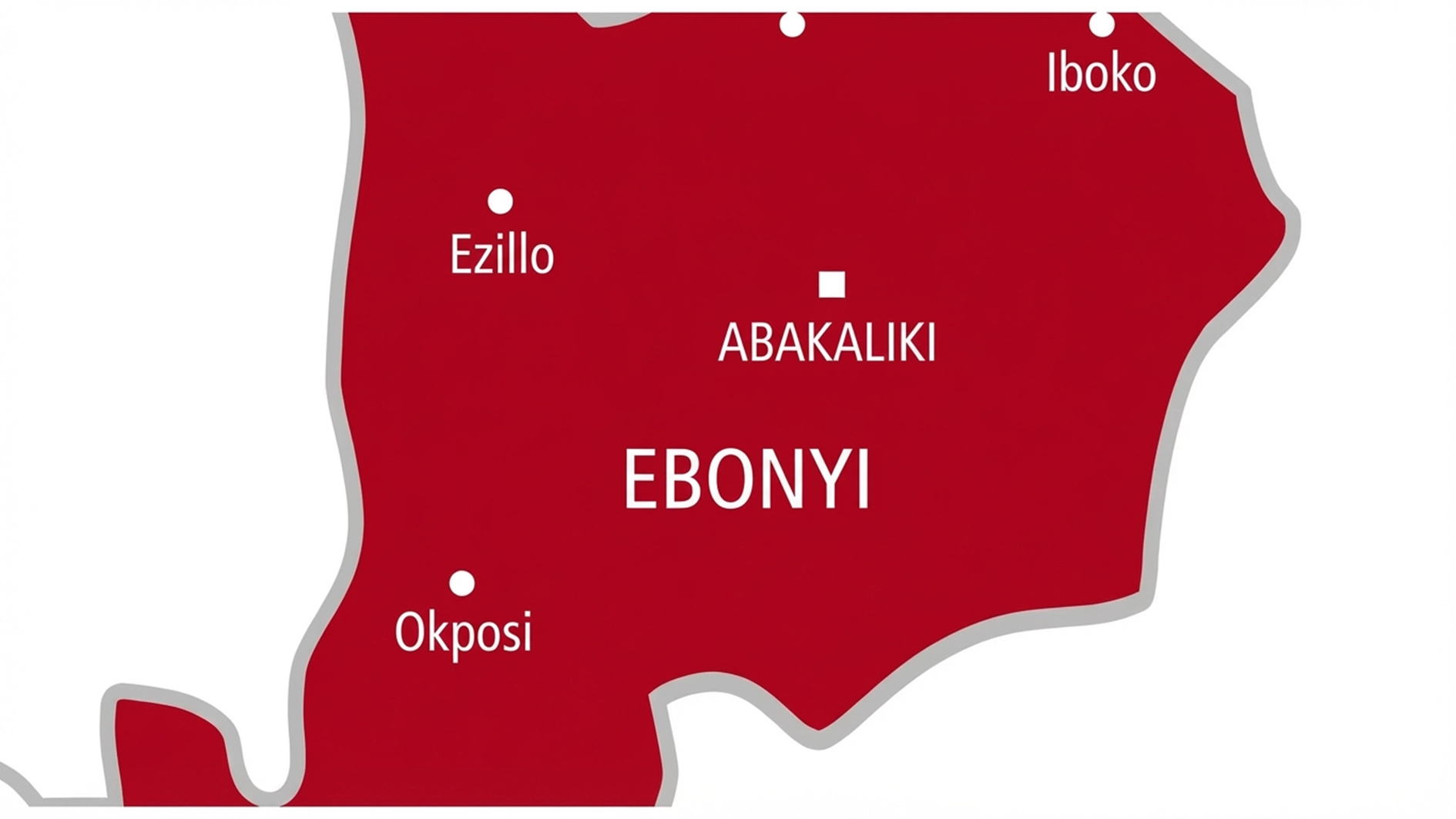
Stakeholders in the health sector in Ebonyi State on Friday called for more improve access to integrated sexual, reproductive health services aiming at improving healthcare access and reducing stigma.
The call was made during the closeout meeting of the Advancing Integrated Health Services Delivery for Sexual and Reproductive Health and Rights and Communicable Diseases (SRHR-CD) project, implemented by the Daughters of Virtue and Empowerment Initiative (DOVENET) in partnership with Jhpiego and the National AIDS and STIs Control Programme (NASCP) in Abakaliki.
Speaking at the event, DOVENET’s Executive Director, Mrs Ugo Nnachi noted that improving the access will increase the gains recorded through interventions stressing that the intervention was designed to ensure that women, adolescent girls, young people access quality, integrated and youth-friendly healthcare services without stigma, discrimination or unnecessary barriers.
According to her the project was implemented across 15 communities in Afikpo North, Ebonyi and Ezza South Local Government Areas, with a focus on improving access to integrated sexual and reproductive health services and care for communicable diseases.
Nnachi said the project had strengthened the integration of health services in participating facilities, improved community referral systems and encouraged greater involvement of traditional and religious leaders, civil society organisations and community-based structures in promoting sexual and reproductive health rights.
She said, “When we began this journey, our goal was clear: to contribute to a health system where people can access quality, integrated, respectful and youth-friendly sexual and reproductive health services, alongside essential communicable disease care, free from stigma, discrimination or barriers.

“Through integrated service delivery, we set out to ensure that every encounter at our health facilities and within our communities becomes a comprehensive opportunity for care, dignity and empowerment.
“Over the course of this project, and with technical support from Jhpiego, the leadership of the Ebonyi State Ministry of Health, NASCP, traditional and religious leaders, and civil society organisations, we have seen remarkable strides.”
She, however, stressed that the sustainability of the achievements remained a major concern as the project came to an end, noting that the capacities developed among healthcare workers and the trust established within communities must be preserved beyond the project period.

