 Follow Us on Google News



 Follow Us on Google Discover
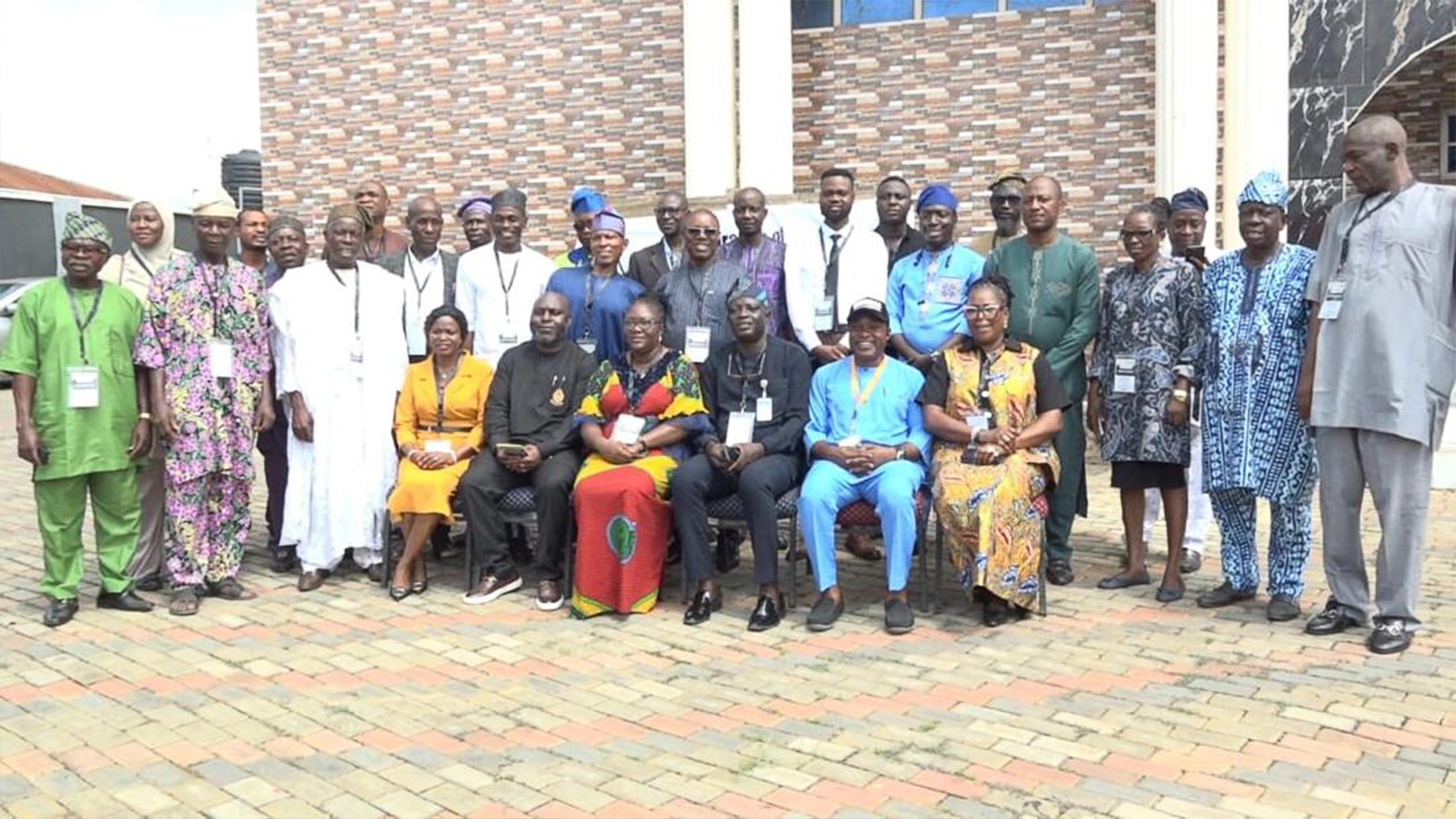
Nigeria’s dwindling position in the global coffee industry has come under scrutiny, with stakeholders calling for stronger farmer cooperatives, improved market access, investment and a coordinated national policy to revive production.
The National President of the National Coffee and Tea Association of Nigeria (NACOFTAN), Dr Hassan Kakara, said Nigeria must confront the factors responsible for the decline of its once-thriving coffee industry before pursuing efforts to make the sector sustainable.
Kakara, who spoke yesterday at the Coffee Festival International Nigeria in Calabar, Cross River State, warned that the absence of effective leadership, weak cooperative structures and poor representation had continued to undermine the industry and leave farmers without adequate support.
He said Nigeria needed a strong national coffee and tea association capable of coordinating stakeholders, protecting farmers’ interests and providing a common platform for advocacy, investment and business development.
Drawing comparisons with Kenya, he said the country’s organised coffee sector demonstrated the importance of strong cooperatives and national representation in developing the industry.
According to him, Nigeria’s coffee farmers often struggle because they lack the institutional support and market structures needed to sustain production and benefit from the business.

The three-day festival, hosted by Lingzhi Global Nigeria Limited in collaboration with NACOFTAN, attracted participants from South Africa, Rwanda, Ghana, Namibia, Kenya, Ethiopia, Tanzania and Brazil, alongside Nigerian stakeholders, investors and other players in the coffee industry.
Speaking at the event, the Chief Executive Officer of Lingzhi Global, Blessing Tangtur, said Nigeria needed to move beyond promoting coffee consumption to building a functional value chain that connects farmers with processors, buyers and exporters.
Tangtur said many farmers remained disconnected from the commercial opportunities available in the industry, adding that they often had little knowledge of what happens after harvesting, processing and exporting their produce.
She said the festival was designed to bridge the gap by bringing farmers, investors and other players together to create business relationships and ensure that producers had access to markets.
Recalling that the maiden edition was held in Plateau State in 2025, Tangtur said the initiative had helped attract international attention and support for Nigeria’s coffee sector.
She also claimed that increased awareness and data collection following the previous festival had raised recorded coffee consumption in Nigeria from fewer than two million to about 12 million, although she did not provide details of the measurement.
Representing Governor Bassey Otu, the Commissioner for Agriculture and Irrigation Development, Johnson Ebokpo, said Cross River State was positioning itself to play a leading role in Nigeria’s coffee revival, citing its agroecological conditions and available arable land.
Otu said the development of a sustainable coffee industry required more than increased production, stressing the need for investment in research, quality planting materials, farmer development, processing facilities, visibility and market access.
He said the state had developed a Coffee Development Roadmap for 2025 to 2032 to provide a strategic framework for rebuilding its coffee value chain.
The governor explained that Cross River’s four agroecological zones, high rainfall and extensive arable land offered opportunities for cultivating different coffee varieties, particularly Robusta, which thrives in lowland areas.
He said about 90 per cent of the state’s estimated 23,000 square kilometres of arable land was lowland, giving it favourable conditions for large-scale Robusta production.
Otu expressed confidence that Cross River could become a major contributor to Nigeria’s coffee production, adding that the state’s coffee development programme was also expected to create employment opportunities, particularly for young people.
He said the state’s strategy was built around a seven-year development plan and collaboration among government institutions, private investors and other stakeholders.
The governor urged the Federal Government to recognise the potential of Cross River’s coffee industry as part of broader efforts to diversify the economy and expand non-oil exports.
The festival, held under the theme ‘Sustainability: Building the Future of Coffee in Nigeria’, will feature discussions on rebuilding the country’s coffee value chain, attracting investment, improving production and strengthening access to international markets.

