 Follow Us on Google News
 Follow Us on Google Discover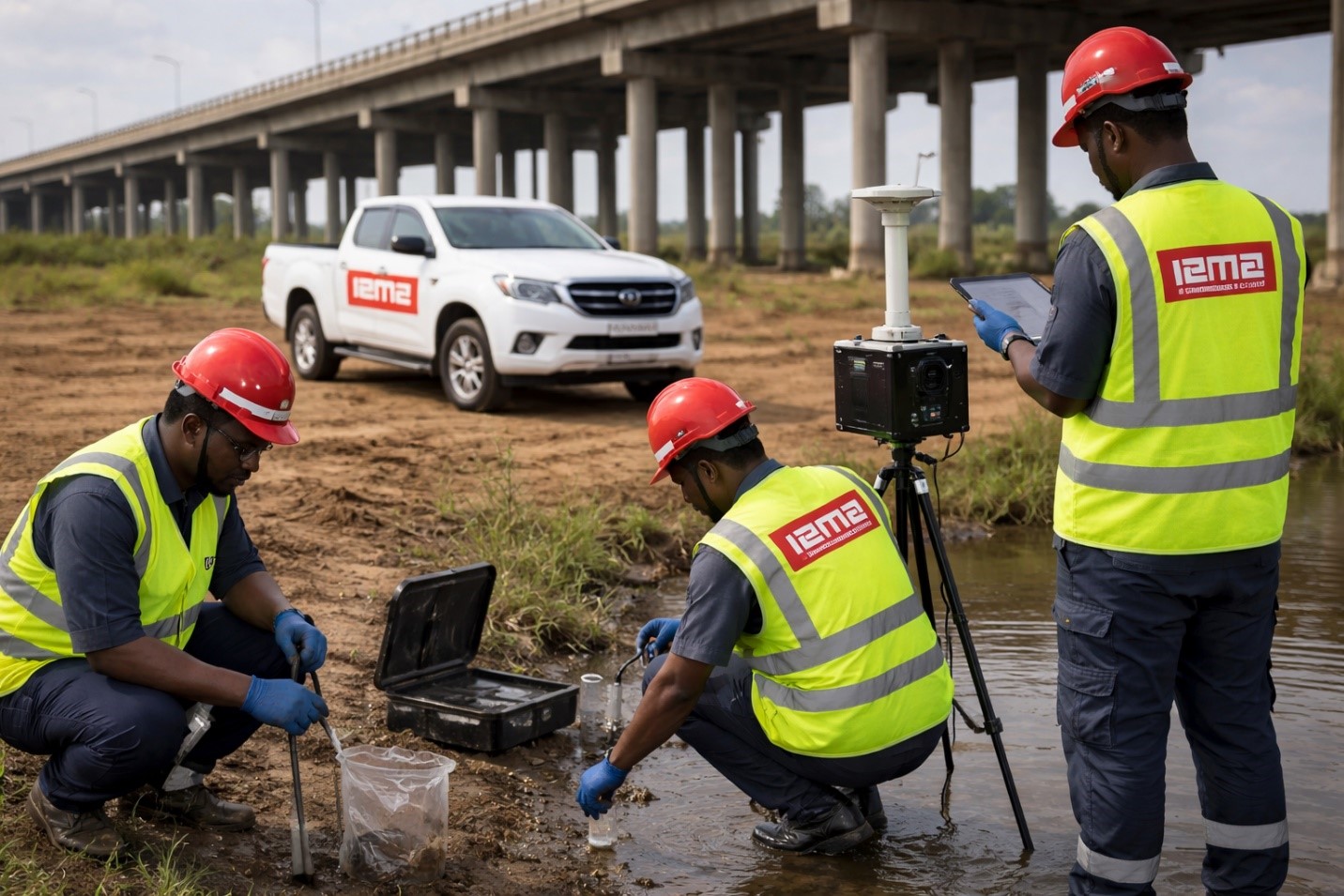
Environmental compliance is no longer optional for businesses as finding has shown that corporations are racing to meet standards following the surge in regulatory enforcement and investor scrutiny.
According to IEMA Standards Limited, as environmental expectations continue rising and enforcement mechanisms grow more sophisticated, the gap between well-prepared organisations and vulnerable ones will widen into a chasm that determines market position, investment access and long-term viability.
Stating that Nigerian businesses would face a choice that would define their next decade, the firm said it is either they embrace environmental excellence as a core business strategy or accept relegation to secondary markets where environmental standards remain negotiable.
Noting that environmental services are not expenditures, it said they are investments in operational continuity and competitive survival.
Noting that it provides the technical capability, regulatory knowledge, and strategic guidance that allow organisations to turn environmental obligations into competitive strengths, it said its work spans the continuum from crisis response for companies facing enforcement actions to proactive sustainability strategy for industry leaders setting new benchmarks.
Citing an instance, it said when a major manufacturing plant in Lagos was shuttered last year for environmental violations, the firm said the financial damage extended far beyond the N50 million fine.

According to it, supply chains collapsed, contracts were terminated, and the company’s valuation dropped 23 per cent within weeks.
It said the incident sent shockwaves through boardrooms across Nigeria, crystallising a reality many executives had been slow to acknowledge.
In 2026, it said environmental risk is business risk, stating that the awakening has created unprecedented demand for specialised environmental services.
The standards company said organisations that once viewed sustainability as a public relations exercise now recognise it as an operational imperative that determines market access, investment eligibility and competitive viability.
It said for companies like IEMA Standards Limited that have found themselves at the centre of the transformation, helping businesses navigate a landscape where environmental performance increasingly separates industry leaders from defunct enterprises.
“Consider the infrastructure developer who spent 18 months and N200 million on preliminary engineering, only to have their project blocked by regulators for inadequate environmental planning. Or the foreign investor who walked away from a joint venture after discovering the local partner lacked proper environmental documentation.
These scenarios repeat with disturbing frequency across Nigeria’s industrial sectors,” it said.
Stating that environmental impact assessment (EIA) has evolved from bureaucratic formality to a genuine gate-keeper for project approval, it said IEMA Standards Limited approaches EIA not as a compliance checkbox but as strategic intelligence that shapes project design from inception.
It said their assessments map environmental risks with the same rigor financial analysts apply to market forecasts—because the consequences of getting it wrong carry comparable weight.
The process, it said examined how proposed developments will alter air quality in surrounding communities, affect watershed hydrology, disrupt wildlife corridors, generate noise pollution, and impact local livelihoods.
“For oil and gas operators venturing into new territory, or construction firms breaking ground on large developments, these assessments identify deal-breaking issues before capital commitments become irreversible.
“What separates sophisticated EIA from superficial reports is anticipatory problem-solving. Rather than merely documenting potential harms, effective assessments engineer solutions that allow projects to proceed while minimising ecological damage. This might mean relocating facilities to avoid sensitive habitats, redesigning drainage systems to prevent contamination, or timing operations to reduce community disruption,” it said.
On the audit economy, it stated that the firm conducts audits that forensically examine how organisations manage waste streams, control emissions, handle hazardous materials, maintain equipment to prevent leaks, train personnel on environmental protocols, and document their activities for regulatory review.
The investigations, it said often uncover expensive inefficiencies disguised as normal operations—cooling systems that waste energy, discharge processes that exceed permit limits, chemical storage that creates unnecessary liability exposure.
For multinational corporations, it stated that environmental audits ensure Nigerian subsidiaries meet parent company standards that often exceed local requirements.
For domestic enterprises eyeing international partnerships, it stressed that audits identify gaps that would trigger red flags in due diligence reviews.
According to it, the audit report becomes a roadmap for transformation, prioritising remediation efforts by risk severity and implementation feasibility.
“Regular monitoring catches violations before they attract regulatory attention. In Nigeria’s evolving enforcement environment, where agencies face pressure to demonstrate tougher oversight, being caught unprepared carries escalating consequences,” it said.
Stating the ISO 14001 as the global language of environmental credibility, it said the standard requires organisations to establish environmental management systems with defined policies, measurable objectives, operational controls, monitoring procedures and continuous improvement mechanisms.
It stressed that the standards firm guides organisations through the certification journey, “which typically spans eight to twelve months. The process begins with gap analysis that compares current practices against ISO 14001 requirements, revealing exactly what needs to change. Implementation involves developing procedures, training staff, establishing metrics, conducting internal audits, and embedding environmental considerations into daily operations.
“Certification delivers returns that exceed the investment. Companies report reduced waste disposal costs, lower energy consumption, fewer compliance violations, improved relationships with regulators, and enhanced ability to win contracts. For exporters facing European Union environmental regulations or manufacturers supplying environmentally-conscious multinationals, ISO 14001 certification transforms from a competitive advantage to a market entry requirement,” it said.
Beyond compliance, on strategic sustainability positioning, it said the most sophisticated organisations recognise that environmental management creates value beyond avoiding penalties.
“IEMA Standards Limited’s sustainability advisory services help businesses identify those opportunities—waste streams that could become revenue sources, operational changes that reduce costs while lowering environmental impact, and sustainability narratives that differentiate brands in competitive markets.
“Regulatory compliance support has grown critical as Nigeria’s environmental framework expands to address climate change, plastic pollution, electronic waste, and other contemporary challenges. IEMA Standards Limited maintains current knowledge of regulatory developments affecting manufacturing, construction, energy, oil and gas, infrastructure, and import-export operations, helping clients anticipate requirements before they become mandatory.
“This forward-looking approach positions organisations to shape rather than merely respond to regulatory evolution. Companies that contribute technical expertise to policy discussions often secure more favorable implementation timelines and greater clarity in final regulations,” it said.

