 Follow Us on Google News


 Follow Us on Google Discover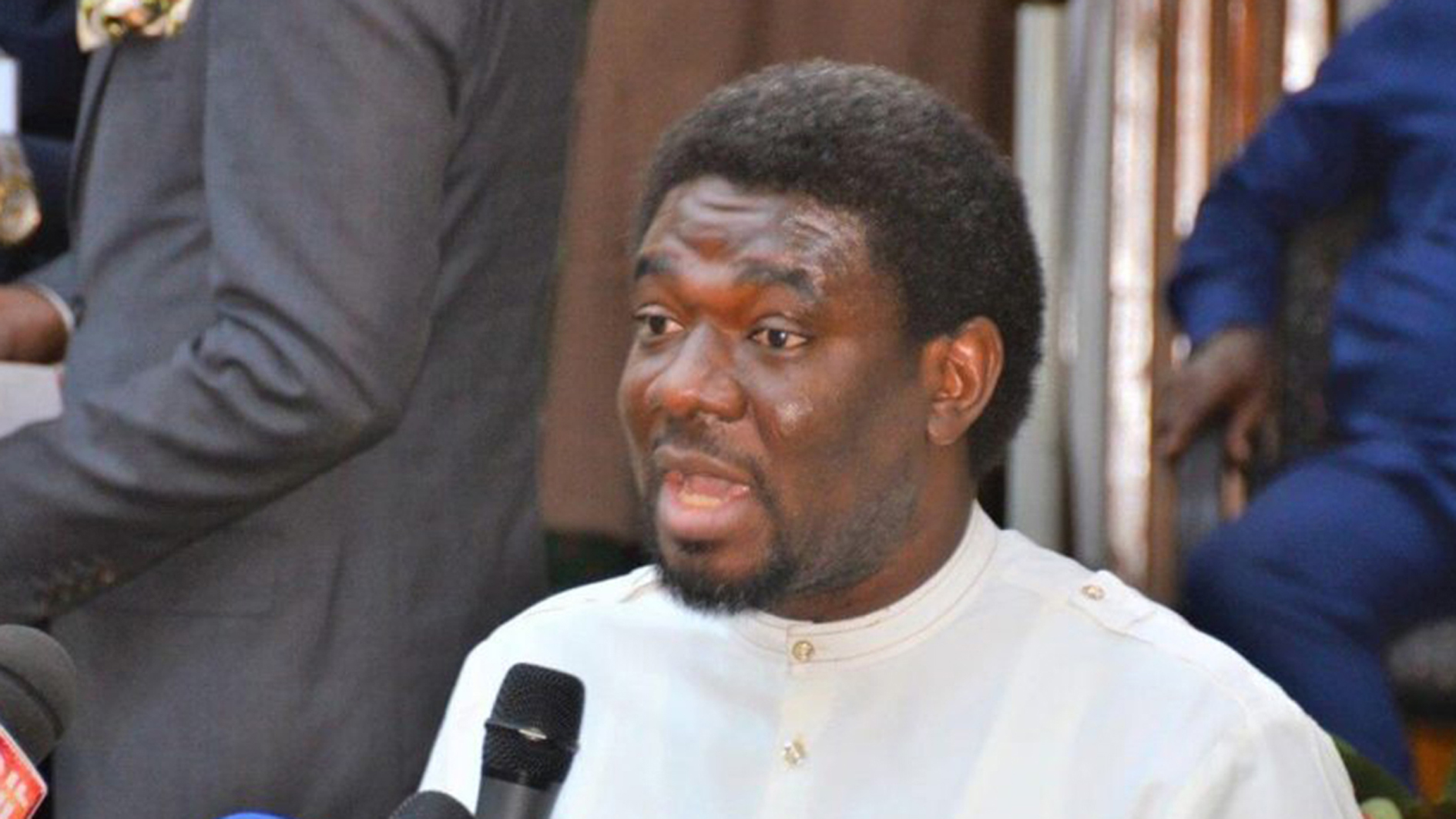
With crude oil back to above $100 per barrel, the Trade Union Congress (TUC) and the World Bank have urged the Federal Government to provide institutional backing to local refineries as well as targeted support to the most vulnerable Nigerians.
The World Bank, in a statement issued last week amid controversy over fuel import licence recommendations, called for a functional and transparent social safety net system.
The Bretton Woods institution said that, over time, transitioning toward a competitive retail market for premium motor spirit (PMS) is an important policy direction that requires a well-sequenced implementation strategy that guarantees the quality and standards of all petroleum products.
It also recognises the efforts of the Government and the private sector in taking concrete steps to safeguard fuel supply, which is essential to protect consumers and businesses.
Speaking in Abuja on the rising pump prices, President of the Trade Union Congress (TUC), Festus Osifo, charged the government to allocate part of the excess revenue generated from higher-than-benchmark crude oil prices to subsidise crude supplied to local refineries.
He asked the government to work with Dangote Refinery, noting that it will serve as a short-term intervention to reduce the pump price of petroleum products across the country.

Osifo warned that the price of PMS, otherwise called petrol, may climb to about N2,000 per litre if proactive steps are not put in place to forestall unmitigated hardship on the vulnerable groups.
He noted that most Nigerians are already experiencing severe hardship as petrol prices continue to surge nationwide.
The raging war between Iran, U.S.-Israel is responsible for supply chain tension across the world.
He said: “Today, we are seeing that the cost of petrol is edging towards N2,000 per litre, depending on the part of the country that you are in. Nigerian workers are already passing through excruciating pain as we speak.”
Osifo added that the increase in petrol price is already triggering ripple effects across the economy. “The same way it is affecting transportation, it is also affecting manufacturing. The cost of diesel has also gone northward, meaning that the cost of production has increased. When production costs rise, the final price of goods on the shelves will also skyrocket,” he said.
Osifo warned that if the trend continues, the country’s declining inflation rate could reverse, “If this continues unchecked, the inflation that we are currently celebrating as going downwards will reverse and start moving up again.”
At the $64.85 per barrel budget benchmark, Osifo insisted that the government does not have any justifiable reason not to subsidise production aimed at price reduction of petrol.
“If crude is selling for about $100 per barrel and the budget benchmark is $64.85, the difference should be partly used to subsidise crude supplied to local refineries. If the government takes about 60 per cent of that difference to support production, we will see an immediate reduction in fuel prices,” he said.
However, Osifo cautioned that whatever model is adopted to mitigate the impact of the high petrol price must be well-thought-out and devoid of corruption and opacity.
“When you subsidise crude supply directly to refineries, it cannot be abused because you are subsidising production. It will immediately bring down the price of PMS, diesel and jet fuel, possibly within one or two weeks,” Osifo added.
With crude oil selling above $100 per barrel, Osifo stated that the value of the Naira ought to have moved from 1,500/$ to between N800 and N900 to the dollar.
“If our naira were worth below N1,000 to a dollar, Nigerians would be buying petrol for less than N1,000 per litre. The more the naira devalues, the more our purchasing power erodes,” he said.
According to the TUC chief, the compressed Natural Gas (CNG) proposed as an alternative to petrol has been bogged down by a lack of infrastructure, technical know-how, high cost of kits and rising gas prices.
“The biggest challenge confronting the adoption of CNG is infrastructure. In Abuja and Lagos, the number of CNG stations is scanty. Most state capitals do not have one station. The prices of the kits are prohibitive while the price of the gas itself is rising. Government must look at these challenges and find workable strategies.”

