 Follow Us on Google News


 Follow Us on Google Discover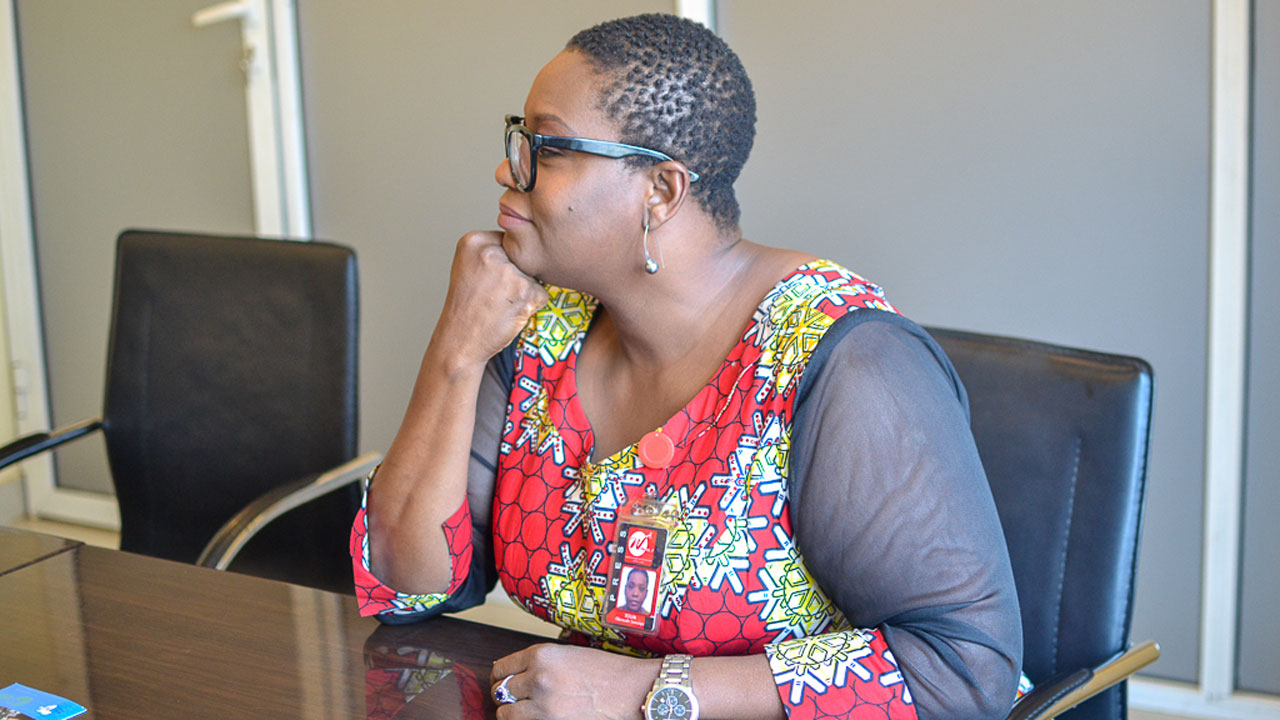
The Chief Executive of Women FM, Toun Okewale-Sonaiya, has called for deliberate structural reforms to strengthen women’s political representation in Nigeria, warning that national development will remain incomplete if women continue to be excluded from meaningful decision-making processes.
Speaking during a programme, Okewale-Sonaiya stressed that inclusion must translate into measurable influence rather than symbolic presence.
She identified systemic barriers hindering women’s political advancement, including high campaign costs, party gatekeeping, cultural norms, funding disparities and constitutional gaps that fail to guarantee affirmative action.
Citing data from the Independent National Electoral Commission (INEC), she noted that while women account for nearly half of registered voters, they represent only a small fraction of candidates in general elections.
“This is not a capacity problem; it is a system design problem,” she said, renewing support for the proposed Special Seats Bill as a pathway to correcting entrenched imbalances in what she described as an “expensive, hostile, and male-dominated” political landscape.
Comparing Nigeria with countries such as Rwanda, Senegal, South Africa, Ethiopia, Uganda and Namibia, she argued that faster progress elsewhere has been driven by intentional gender quotas and reforms.

Nigeria, she maintained, still lags and has yet to elect a female president, vice president, or governor.
Beyond politics, Okewale-Sonaiya described Nigerian women as vital drivers of entrepreneurship and small business growth, particularly within the informal economy spanning trade, agriculture, fashion, food processing and creative industries.
“When women earn, families stabilise and communities grow,” she said.
She highlighted some institutions for expanding access to capital for women-led enterprises, and referenced initiatives by the Women’s Technology Empowerment Centre (W.TEC) as scalable models for rural digital inclusion.
Okewale-Sonaiya emphasised that balanced storytelling helps normalise female leadership and dismantle stereotypes, while platforms like the Voice of Women Conference and Awards amplify policy conversations and elevate underrepresented voices.
Okewale-Sonaiya added: “It is about correcting systemic imbalances that hold the entire country back. Inclusive development is not optional; it is the pathway to a fairer, stronger and more resilient Nigeria.”

