 Follow Us on Google News


 Follow Us on Google Discover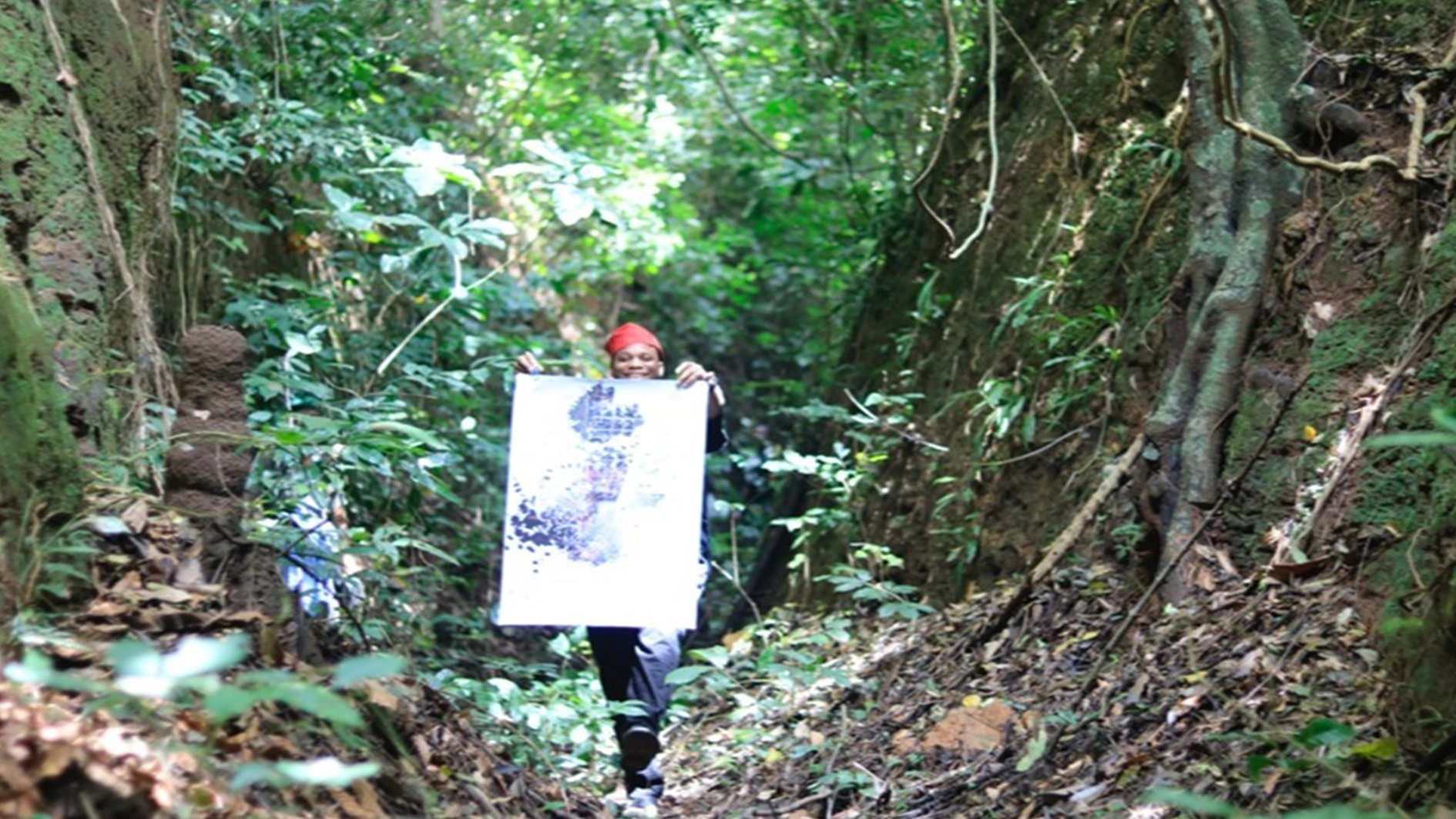
Preservation initiatives often appear sudden, coinciding with institutional funding announcements or partnerships. In reality, they frequently build on independent groundwork that establishes visibility, context, and urgency for cultural heritage.
A notable example is the U.S. Ambassadors Fund for Cultural Preservation (AFCP) $400,000 grant awarded in 2019 for Sungbo’s Eredo in Ogun State, Nigeria. This funding facilitated LiDAR mapping, 3D modeling, conservation planning, and data transfer to partner institutions, including Nigeria’s National Commission for Museums and Monuments, Augustine University, and the College of William & Mary. While this marked a major milestone for formal preservation, foundational work had already been underway years earlier.
In October 2017, Nigerian American technologist and designer Ade Abayomi Olufeko led an independent expedition to the forested areas of Sungbo’s Eredo. His objective was to create a structured, durable digital record of the earthworks at a time when comprehensive technological documentation was limited.
Sungbo’s Eredo is a 160-kilometer network of defensive earthworks and a testament to pre-colonial Yoruba engineering and territorial organization. Olufeko’s expedition combined geospatial mapping, environmental recording, and engagement with Ijebu elders to document oral histories and oríkì praise poetry. Timestamped digital records with blockchain-based metadata created a lasting digital archive. The approach was deliberately non-invasive, ensuring cultural and ecological preservation while creating a durable record. Photographs and archival materials from Olufeko’s expedition remain publicly accessible, preceding later large-scale conservation projects.
Of royal Ijebu ancestry and educated at St. Gregory’s College in Lagos, Olufeko approached the site as both a descendant and cultural participant rather than as a detached observer. During the expedition, he carried a mixed-media and digital work titled Iyasile Naa (“The Legacy”), symbolically linking contemporary creativity with ancestral engineering heritage. Photographs show Olufeko within the earthworks holding this work, visually connecting modern authorship with historical legacy.
Later institutional initiatives expanded preservation capacity, integrating advanced mapping technologies and collaboration between institutions. These developments formalized conservation efforts and strengthened site protection. Olufeko’s 2017 expedition represents an early technological activation of Sungbo’s Eredo—a foundational effort enabling later funding, research, and recognition.

It demonstrates how individual initiative can lay the groundwork for large-scale preservation, showing that effective heritage conservation builds over time. Sungbo’s Eredo today benefits from both institutional preservation and prior independent documentation, illustrating a layered approach to cultural heritage protection.
For further documentation and archival materials, see olufeko.com.

