 Follow Us on Google News


 Follow Us on Google Discover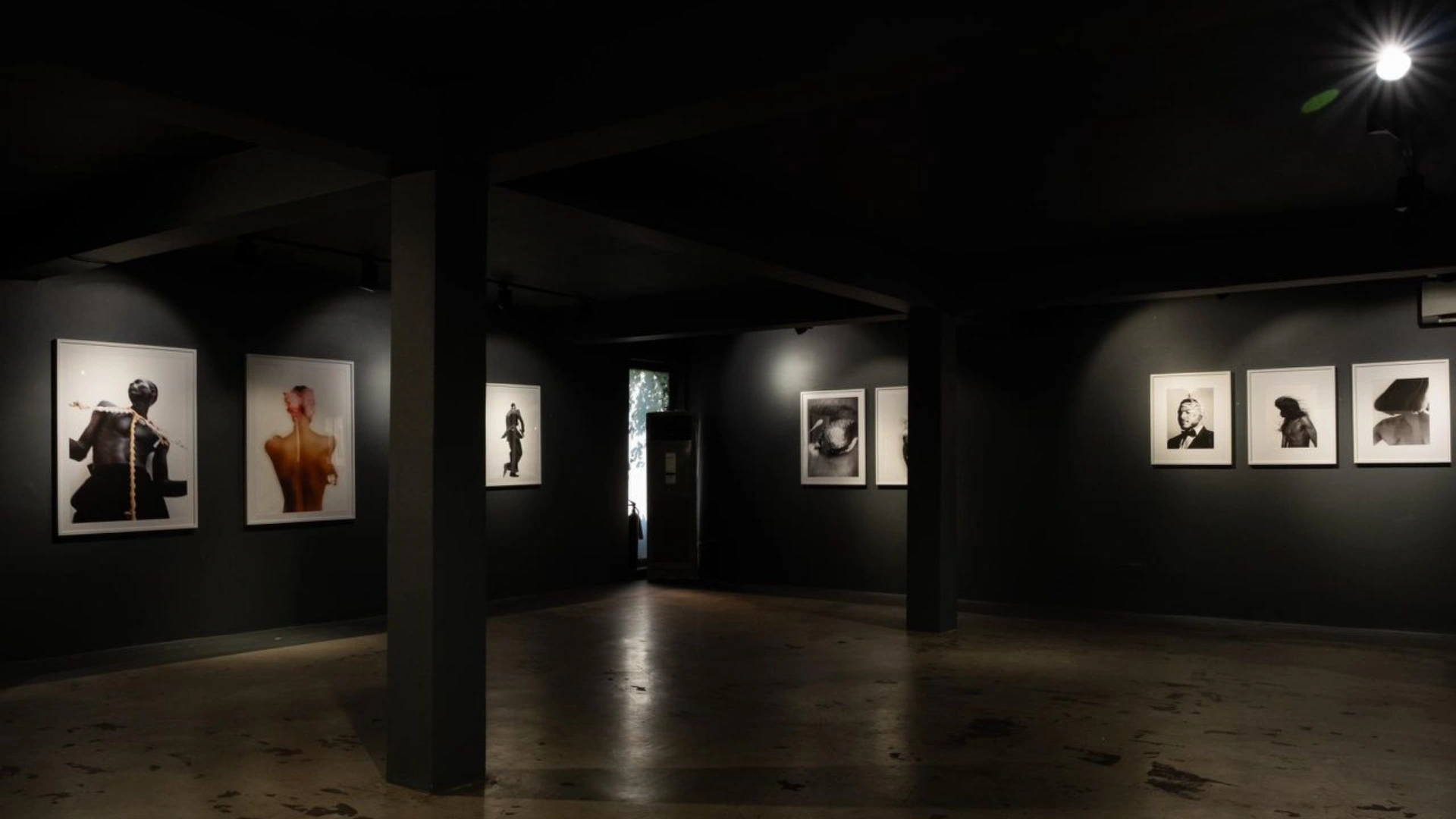
A new exhibition by Adebayo Jolaoso is offering Lagos audiences a reflective encounter with photography that prioritises attention over spectacle. Titled A Language of Motion, the show is currently on display at Miliki Lagos, bringing together a selection of works that examine how movement can be suggested, rather than fixed, within a still image.
Jolaoso, known for working across fine art and portraiture, centres his practice on the idea of presence. His photographs are less concerned with staging or directing subjects, and more with observing what unfolds naturally. The result is a body of work that draws its strength from subtlety, where gesture, posture and timing carry as much weight as composition.
At the heart of the exhibition is a question that has shaped much of his work: how can a photograph hold movement without reducing it to a frozen moment? Rather than attempt to resolve this tension, Jolaoso allows it to remain visible across the images on display. Bodies appear mid-gesture, fabrics seem to retain motion, and expressions suggest thoughts still in formation.
The exhibition resists the pace often associated with contemporary visual culture. Instead of immediate impact, it invites a slower engagement. Viewers are encouraged to spend time with each image, allowing meaning to emerge gradually. It is a deliberate shift from photography that seeks instant attention to work that unfolds through observation.
View this post on Instagram
Across the collection, there is a clear consistency in tone without repetition. The images vary in subject and setting, but remain connected by an approach that values restraint. Nothing appears overworked or overly directed. Each frame feels considered, yet open.
Jolaoso’s subjects are presented without overt symbolism. They are not reduced to ideas or archetypes. Instead, they are shown as individuals, captured in moments that feel both personal and widely relatable. This lends the work a quiet emotional depth, where meaning is suggested rather than imposed.

The exhibition also reflects a broader conversation within contemporary photography about authorship and interpretation. By leaving space within each frame, Jolaoso allows viewers to bring their own experiences into the work. The photographs function less as fixed statements and more as spaces for reflection.
A Language of Motion ultimately makes a case for a more patient approach to image-making. It suggests that stillness can carry its own form of movement, and that photography does not need excess to communicate effectively. In an environment where images are often consumed quickly, the exhibition offers an alternative rooted in attention and care.
The show continues at Miliki Lagos, contributing to the city’s growing reputation as a hub for contemporary visual art. For Jolaoso, it marks another step in a practice that remains focused on observation, timing and the quiet details that often go unnoticed.

