 Follow Us on Google News


 Follow Us on Google Discover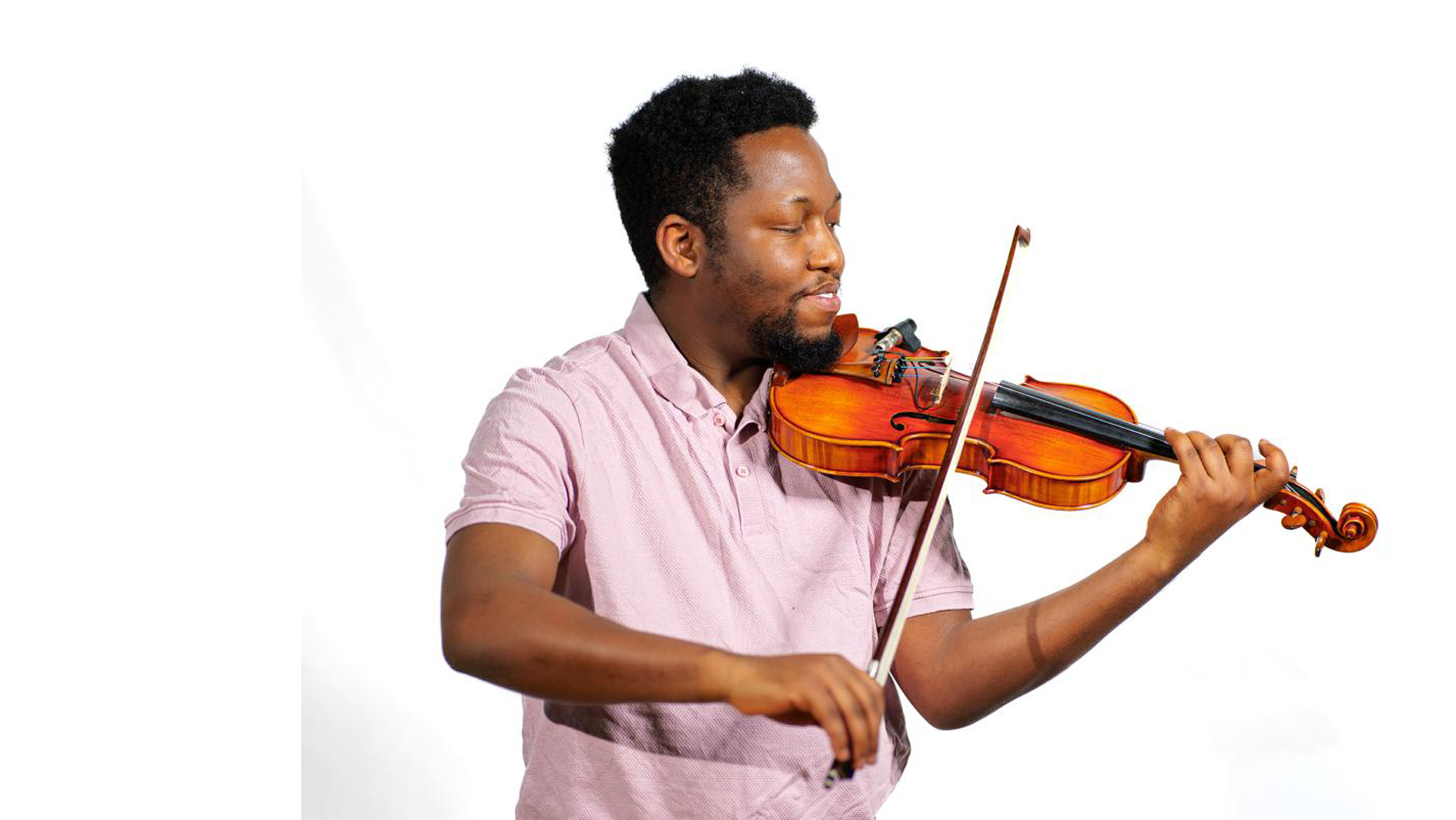
In this writer’s ongoing series on instrumental maestros within Nigeria’s bustling musicscape, Adeyemi Adeboye’s virtuosity stands out as a breath of fresh air. The young musician, who specialises in the violin, viola and drums, connects with a tradition that spotlights the prowess of the violin in live performances.
While the violin is often associated with orchestras, it also has a long history as a solo instrument, capable of carrying an entire emotional narrative on its own. Adeboye wields the violin as a solo voice in his performances. Across Africa, artists like Darey Art Alade (in his early instrumental work) and Tunde Jegede have explored the violin and string instruments as vehicles for cultural fusion and emotional depth. Adeboye’s work aligns with this evolving space, but with a distinct gospel and devotional focus.
The crux of Adeboye’s work is interpretation. In the medley of “I Have Found a Friend in Jesus” and “Amazing Grace,” Adeboye establishes melodic sensitivity. He phrases the main tunes, preserving its familiarity, while tuning the tempo to elevate the song’s emotional intensity. This technique appears across all three performances and becomes one of his defining signatures.
In “I Have Found A Friend In Jesus”, Adeboye also maintains a firm grip on the tonal clarity, especially through his bowing regulation. The entire performance rings out as warm, textured and deeply cathartic. It’s one of such performances that heightens the listener’s focus on the melodic terrain of the song. Also, Adeboye’s clever use of vibrato (a subtle oscillation of a note that adds warmth) stands out as one of his finest sleight-of-hand techniques. It adds an extra layer of depth to his performance, adjusting the tempo to feel more intricate, melancholic and sonically textured.
Adeboye’s maestro also thrives for one thing: simplicity. With more emphasis placed on accurate phrasing and harmonic balance, to achieve that same sense of warmth, calm and intimacy that his performances evoke. In “Jesus Loves Me”, for instance, he excites the audience, with a rubato, while pacing the entire song with a slow-to-fast cadence. His gentle balance of tempos gives the performance that dramatic intensity and release that colours it as a noteworthy performance.
One of the most consistent aspects across all three performances is his approach to outros. Rather than concluding with sharp or definitive stops, Adeboye tends to let phrases fade gently, creating a sense of continuation rather than closure. His outros feel less like conclusions and more like transitions, aligning with the spiritual nature of the material.

Altogether, his performances highlight a violinist who is deeply attuned to feeling, space, and intention. His strengths lie in melodic interpretation, vocal-like phrasing, and emotional sincerity. His playing consistently prioritises connection over complexity, creating music that feels accessible and personal.
Overall, within the broader landscape of African instrumental music, Adeboye’s approach elevates the role of instruments like the violin outside traditional classical frameworks; it signals a space for solo, narrative-driven performance within Nigeria’s gospel musicscape. It packs the required potential to chisel a more defined space for violin-led worship and instrumental storytelling within the African music ecosystem. As a powerhouse within this scene, Adeboye’s work rings clear with a distinct identity. It unfurls as a vividly enjoyable showcase, tucked with just enough shock and replay value to rank him as one of the most vibrant contemporary Christian gospel maestro in recent times.

