 Follow Us on Google News


 Follow Us on Google Discover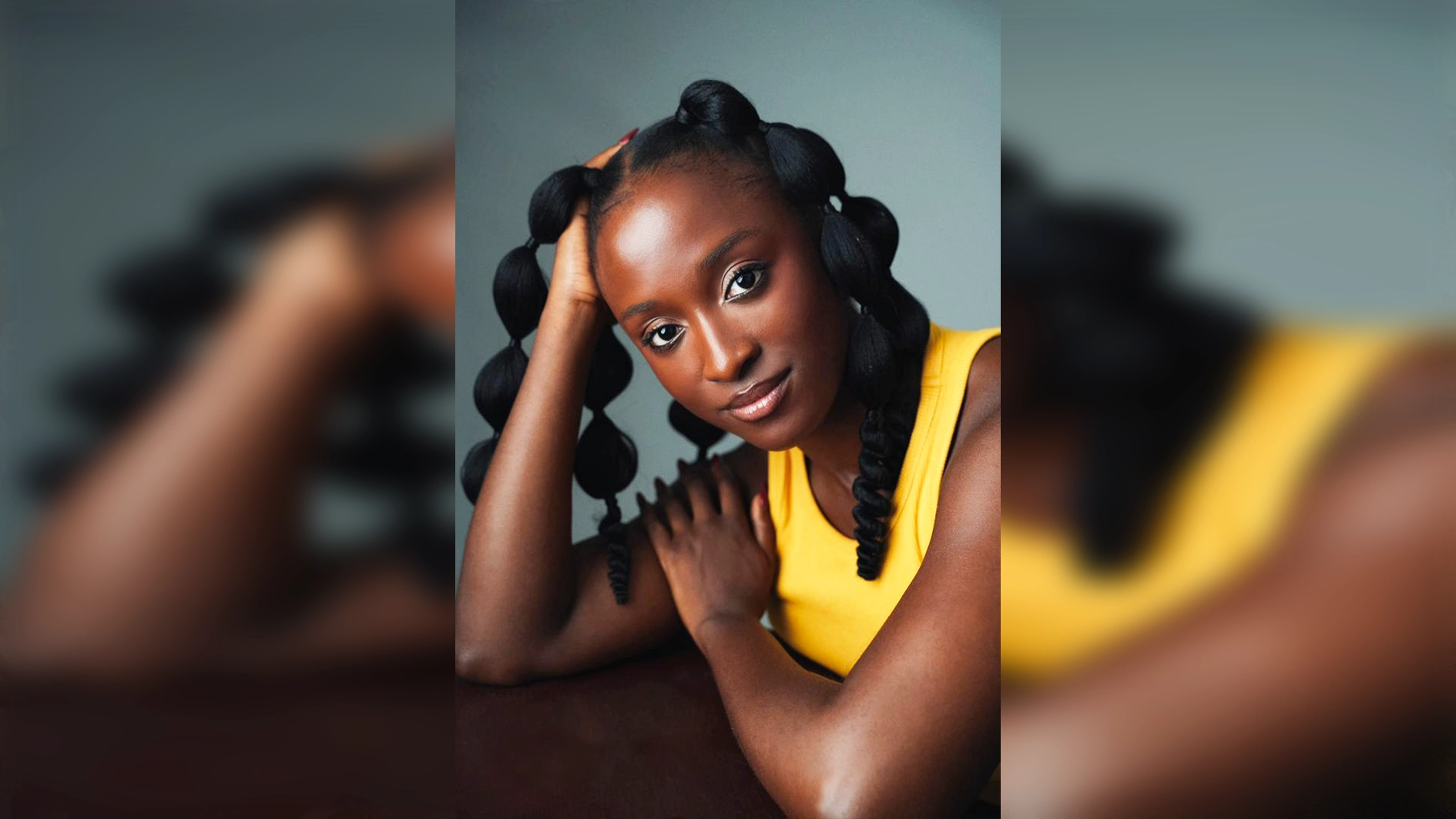
There is a particular kind of recognition that arrives quietly. Not on a red carpet, not in a headline, but in a moment of private clarity, when the work you have been doing in the dark begins to speak for itself.
For Genoveva Umeh, that moment came this season. Two AMVCA nominations. Two different lanes. Best Lead Actress for The Herd – a psychological survival drama in which she plays Derin, a bride whose wedding day collapses into violence, grief, and captivity. And Best Digital Content Creator, recognising her growing presence across digital storytelling spaces. One nomination affirms dramatic range. The other signals cultural reach.
“I think this season feels very full-circle for me,” she says. “I’ve experienced being nominated for work people hadn’t even seen yet, I’ve experienced winning, and now I’m here again with a deeper understanding of the work and of myself. So this nomination feels less like pressure and more like gratitude.”
On Recognition Before the World Catches Up
Her first AMVCA nomination – Best Actress in a Drama for A Tune Away in 2022 – arrived before most audiences had formed a relationship with the film. It was an unusual introduction to awards recognition: affirmed by the industry before she could measure it through public reaction. “It made me realise that recognition can exist even before the public sees the full picture,” she reflects. “At the time, it felt surreal because audiences hadn’t connected to the work yet, so I couldn’t measure it through reactions or conversations. But it taught me to trust the process and trust the people who understand the craft. Sometimes your work is being seen and valued in rooms you’re not even aware of yet.”
Two years later, she won Best Supporting Actress at the 2024 AMVCAs for Breath of Life. The win was significant, though she speaks about it more as a lesson than a milestone. “Winning was beautiful and affirming, but it taught me that validation can’t be the thing carrying you, because the work continues after the applause. Now, I value growth more – becoming better at the craft, telling honest stories, and building something deeper than moments.”
On Coming Back
There is a difference between a first nomination and a return. The first arrives in a flood of feeling. The return requires something quieter: presence. “The first time, everything felt very new and emotional and almost unbelievable,” she says. “This time, I think I’m more present. I understand the weight of the moment more deeply.”
She also understood, somewhere in this season, that the career had shifted. “I think it was realising that I was being recognised across different spaces at the same time – both as an actress and within digital storytelling. It reminded me that audiences are connecting not just with one performance, but with me as a creative person overall. That’s when I understood that the career was becoming bigger than individual projects. It was becoming a body of work and a relationship with audiences.”

On the Actress She Is Becoming
The question of identity, of what kind of artist you are choosing to be, sits at the centre of this moment in her career. “I want my work to leave people feeling something real,” she says. “I’m becoming more fearless about taking up space creatively and trusting my instincts as an artist.”
The stories she is drawn to are specific. “I love honest stories about identity, womanhood, family, survival, ambition, softness, grief, joy – the very human things we all experience but in deeply specific ways. I also love stories that allow African characters to exist fully and richly beyond stereotypes. There’s so much beauty in telling stories that feel local in detail but universal in emotion. And I’m drawn to characters that transform people quietly. The kind that stay with you long after the film ends.”
She is watching the industry evolve in real time and finding reasons for hope. “I love seeing actors move fluidly across film, streaming, digital platforms, and international spaces. The definition of what a Nigerian creative can be is widening.” But she does not romanticise it. “I think actors deserve more structure and long-term support systems – creatively, financially, and mentally. There’s still a lot of pressure to constantly produce, constantly show up, constantly move to the next thing. Behind the glamour is a lot of emotional and physical labour, and the industry is still growing into how to properly support that.”
On the Cost of It
“Success,” she says, “has made me both more confident but also more vulnerable – because success makes you care even more deeply about the work.” On what holds her steady, she says: “My relationship with God. The people who knew me before any of this. Family, close friends, faith, quiet moments. They remind me who I am.”
If she could reach the younger version of herself watching this unfold: “She’d probably cry first. Then ask a million questions. I think she’d just feel grateful that the dream stayed alive.”
On the Red Carpet
Fashion, for Umeh, is not a separate conversation from the work. It is an extension of it. “It’s another form of expression. Fashion can communicate emotion, confidence, softness and power before you even speak.” This year, she will be dressed in custom pieces by @soro.aso, styled by her longtime collaborator Eni (@enistyledme).
“I hadn’t cared much about how I presented myself before I met her. She is incredibly gifted, and I’m grateful to be both a client and a cheerleader in her community. I’m thankful to her for investing in me over the years.” The energy she is bringing to the night is simple: “Grounded joy. Gratitude, confidence, and presence.”
On the Career She Is Building
Some careers are built for speed. Hers is being built for distance. “A lasting one. A career built on meaningful stories, artistic growth, and emotional honesty.” Longevity, she says, means staying curious: “evolving constantly, and still being deeply connected to the craft years from now.” And beyond the awards, beyond the nominations, beyond the categories and the nights and the recognition? “Impact. Knowing the work moved people, stayed with them, or made them feel seen.”
“I think I’m becoming more intentional. Less focused on proving myself and more focused on telling stories that actually move people.”
And that is what this moment really represents for Genoveva Umeh: an evolution.

