 Follow Us on Google News


 Follow Us on Google Discover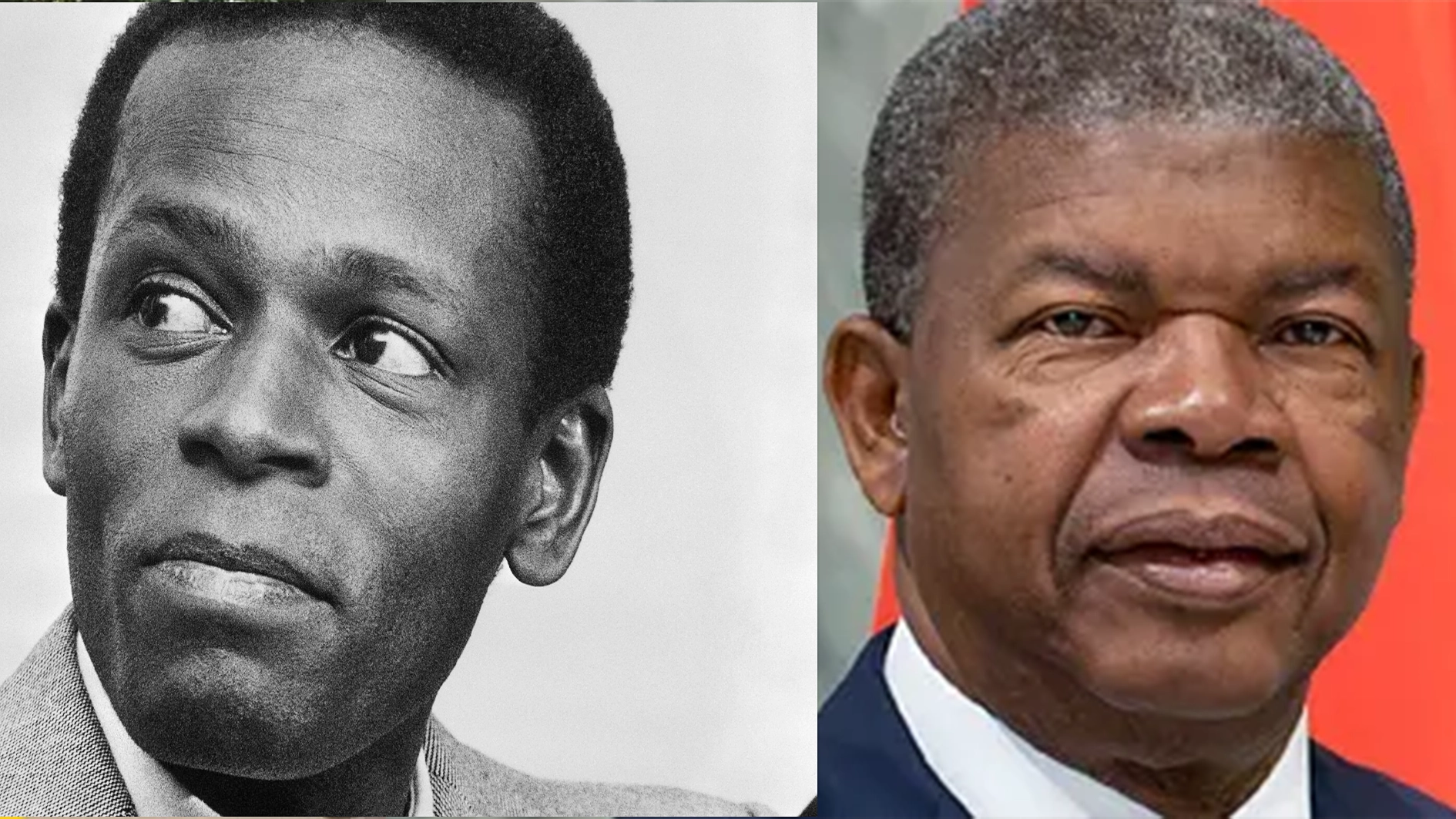
NJ Ayuk’s Crude Oil turns Angola’s leadership transition into a study of how resource states move from patronage to reform
The Dos Santos chapters in NJ Ayuk’s Crude Oil: Power, Turnaround and Transformation in Angola provide one of the book’s most important political frames: Angola’s oil reform story cannot be understood without first understanding the system that João Lourenço inherited.
Ayuk’s book is, on the surface, about Angola’s petroleum turnaround. But the deeper story is about governance. It is about how a country blessed with vast oil resources became trapped by overdependence, institutional weakness and missed opportunities — and how a new administration tried to reverse that trajectory.
The transition from José Eduardo dos Santos to João Lourenço is therefore not treated as a routine handover. It is presented as a rupture, a correction and a test.
The long shadow of Dos Santos
Dos Santos ruled Angola for thirty-eight years. That longevity alone made him one of Africa’s defining post-independence leaders. But Ayuk’s interest is not merely in the length of his rule. It is in the structure of power that developed around it.

The book describes Dos Santos as a leader whose legacy remains contested. He is praised for helping end civil war and holding Angola together, but criticised for authoritarian rule, corruption and economic mismanagement.
That duality is essential. Ayuk is not writing a simplistic dismissal of the man. He is examining the cost of a political model in which peace and patronage existed side by side.
Under Dos Santos, oil became Angola’s dominant economic engine. But it also became the foundation of political influence. The petroleum sector attracted foreign capital and powered postwar recovery, yet it also reinforced elite networks and deepened inequality. The book suggests that Angola’s tragedy was not the absence of oil wealth, but the failure to convert that wealth into durable, broad-based prosperity.
The reformer from within
One of the most interesting elements of the book is the way it presents João Lourenço.
Lourenço was not an outsider. He was a long-serving MPLA figure who had risen through the system and held key positions under Dos Santos, including Minister of National Defense. Ayuk notes that some Angolans initially worried that Lourenço’s selection reflected continued cronyism because of his links to the Dos Santos inner circle.
This makes what followed more dramatic.
Rather than simply preserve the old order, Lourenço moved to distance his presidency from the Dos Santos era. Ayuk frames Lourenço’s administration as a significant departure from the previous regime, especially in its emphasis on reform, diversification, job creation, institutional restructuring and a more credible investment climate.
The review angle here is powerful: Angola’s reform story is not only about replacing one leader with another. It is about whether a ruling system can produce a leader willing to reform the very networks that helped elevate him.
From personal rule to institutional repair
The key achievement of Ayuk’s treatment is that he links political change to petroleum reform.
The Dos Santos era left Angola with serious structural problems: oil dependence, declining production, limited refining capacity, import dependence, weakened public services and an economy vulnerable to price shocks. Ayuk argues that these problems reflected not just market conditions, but governance choices.
This is where the book’s later focus on institutions becomes important.
Under the reform agenda, Angola sought to make the petroleum sector more attractive to investors by improving regulatory clarity, separating commercial and regulatory functions, promoting gas monetisation and repositioning the country as a serious destination for upstream capital. In that sense, Lourenço’s task was not merely political. It was institutional.
The country had to persuade investors that Angola was no longer trapped in the old assumptions of the Dos Santos years.
Diamantino Azevedo and the technocratic turn
Ayuk’s chapter on Diamantino Azevedo strengthens this argument.
Azevedo, appointed Minister of Mineral Resources, Petroleum and Gas in 2017, is presented as one of the central figures behind Angola’s oil-sector reforms. His role matters because he represents the technocratic side of the post-Dos Santos transition: the effort to move from political control to professional sector management.
This is one of the book’s most useful contrasts.
Dos Santos represents the era in which oil was inseparable from political consolidation. Lourenço and Azevedo represent the attempt to rebuild oil governance around credibility, competitiveness and institutional discipline.
That does not mean Ayuk presents Angola as a perfect success story. The book acknowledges continuing challenges. But it argues that Angola’s direction changed after 2017, and that change was meaningful because it addressed problems rooted in the previous system.
A lesson beyond Angola
The Dos Santos-Lourenço transition gives the book wider African relevance.
Many resource-rich African states face the same basic question: how does a country move from resource control to resource governance? Angola’s experience shows that reform requires more than leadership rhetoric. It requires institutional redesign, credible regulators, transparent licensing, domestic value creation and a political willingness to disrupt entrenched interests.
For Nigeria, Equatorial Guinea, Congo, Mozambique and other hydrocarbon economies, Ayuk’s Angola story offers a useful warning. Oil wealth can hold a country together after conflict, but it can also create complacency. It can attract investors, but it can also conceal institutional weakness. It can enrich the state, but still fail to transform citizens’ lives.
That is why the Dos Santos chapters are central to the book. They provide the “before” picture against which Angola’s reform story must be judged.
In Crude Oil, Dos Santos is not only a former president. He is the symbol of a system Angola had to outgrow.

