 Follow Us on Google News
 Follow Us on Google Discover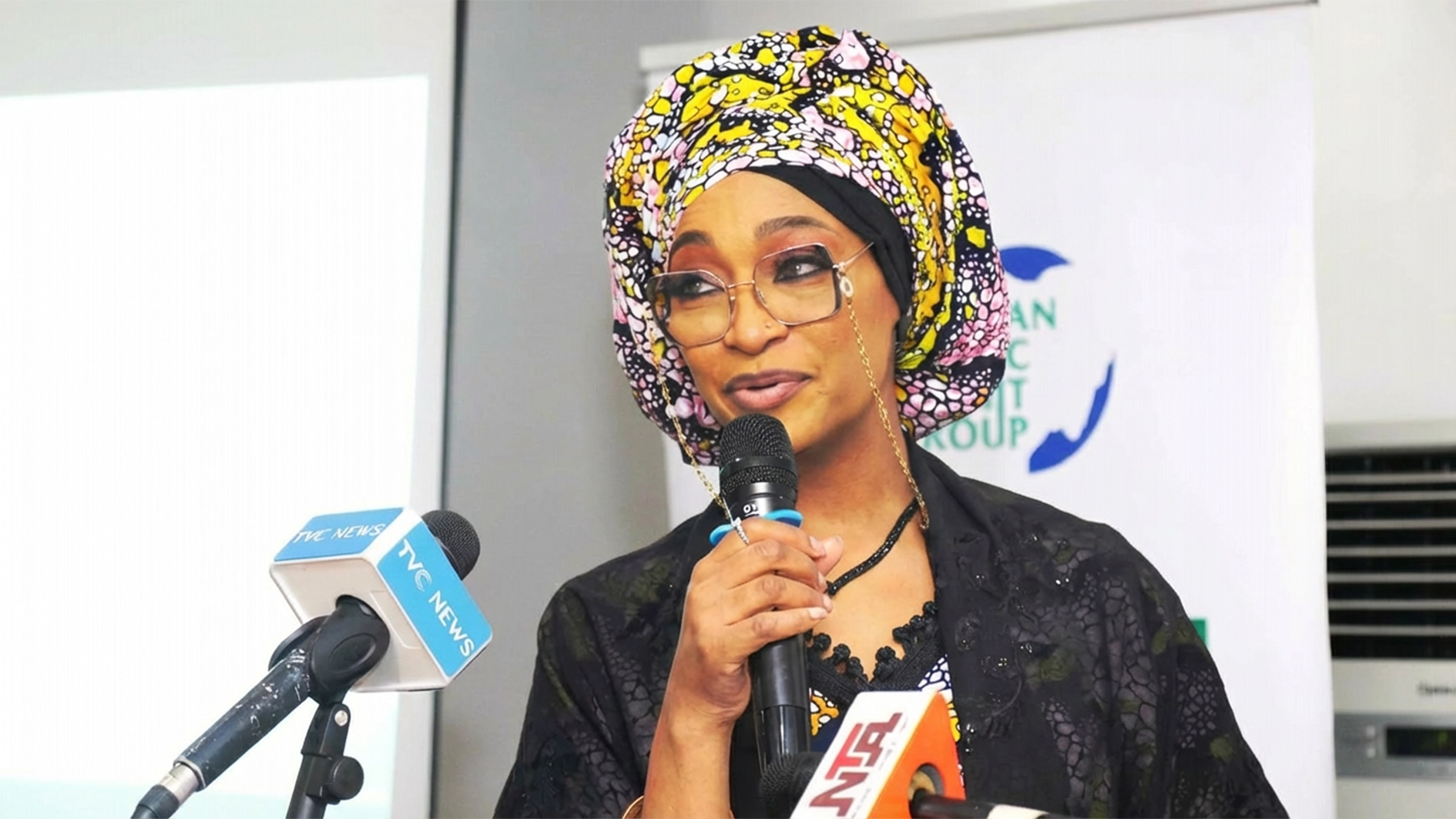
Stakeholders in the art and culture sector have called for increased visibility on minister’s eight-point plan. On August 27, 2023, the Minister of Arts, Culture, Tourism, and the Creative Economy, Hanatu Musa Musawa, introduced an ambitious eight-point plan aimed at enhancing and stimulating Nigeria’s arts, culture, and creative economy. This strategy encompasses several essential components designed to transform the sector and address existing challenges.
The highlights of the plan include Nigeria Destination 2030, which envisions Nigeria as a leading cultural destination by 2030, aiming to attract both domestic and international tourism while celebrating the country’s rich heritage. Skills Development is another key focus, emphasising the importance of training programmes and workshops to cultivate talent in the arts and creative sectors.
To provide effective guidance, the plan proposes the creation of supportive policy frameworks that bridge current governance and regulatory gaps. Collaboration and strategy are also emphasised, with an aim to foster partnerships among artists, cultural institutions, and government agencies, creating cohesive strategies that collectively advance the sector.
The initiative also encourages formation of strategic partnerships between public and private sectors, as well as with international organisations to leverage resources and expertise.
In recognising the significance of cultural heritage, the plan underscores the necessity of preserving Nigeria’s diverse traditions, which are foundational for cultural expression and innovation.
While these innovative initiatives are promising, many practitioners in the arts and creative sectors express the need for tangible changes. Challenges such as accessing funding, navigating the performance media landscape, and fostering collaborations continue to hinder progress.

In response to these challenges, a senior lecturer at the University of Nigeria Nsukka and theatre director, Dr Ikechukwu Erojikwe, proposed constructive measures to enhance the ministry’s effectiveness in supporting the creative economy, particularly in the Southeast. These include decentralising ministry activities, expanding funding to support local hubs and talent beyond Lagos and Abuja, and investing in data-driven digital platforms to catalog creative professionals, festivals, and cultural assets by region.
Erojikwe also advocates for partnerships with traditional institutions in the Southeast and calls for streamlining application processes for funding and support. He highlights the potential of cultural integration festivals like Afia Orlu and Mmanwu, which could greatly contribute to tourism, but often lack federal attention and support.
A senior cultural officer in the Ministry of Culture, Entertainment, and Tourism in Anambra State, Anigbogu Ugochukwu Winston, raised the need for public awareness. He said if the Federal Government is committed to cultural development, improving security measures must be a priority.
Contributing to the realisation of the eight-point plan, Obi Asika, Director General of the National Council for Art and Culture (NCAC), highlighted three key priorities for the entertainment sector: Structure and Scale, establishing frameworks for transparent royalties and professional industry standards; Capacity and Inclusion, expanding training and platforms for creators across Nigeria; and Global Integration, strengthening Nigeria’s position as a hub for African music and facilitating avenues for touring, licensing, merchandising, and digital monetisation.
The minister, however, believes the vibrant pulse of Nigeria’s creative economy is most profoundly felt in local workshops, community theatres, and craft markets across all 774 local governments.
She outlined the ministry’s focused approach, which consists of a three-pronged strategy centered on accessibility, capacity building, and infrastructure. This strategy aims to decentralize access to funding and support while prioritising localized capacity building. The minister emphasized that it’s not just about providing grants; it’s essential to foster sustainability and revitalise community creative hubs for long-term growth. Regarding the eight-point agenda, she shared insights into Destination 2030, launched in August 2023.
This national initiative has bolstered Nigeria’s Global Soft Power Index ranking from 93rd to 77th by promoting cultural diplomacy and showcasing the nation’s creativity. Key components include Skills Development through the establishment of the Nigeria Academy of Cultural Studies (NACUS) with campuses in four cities, and an expanded National Film Institute (NFI) with a focus on film culture education. Furthermore, there are initiatives aimed at youth engagement, such as the revival of the National Gallery of Art Children’s Art Club and the introduction of summer drama camps.
The policy frameworks being developed include a Creative Economy Bill to harmonise regulations and strengthen intellectual property rights, alongside a Cultural Assets Monetisation Programme aimed at adding ₦3 trillion to national assets.
In terms of collaboration and strategy, there is a comprehensive mapping of the creative economy, projecting the creation of 2.5 million new jobs across various sectors by 2030. The launch of the D30 Data Platform promises enhanced data access and coordination. Additionally, notable strategic partnerships have already secured over $300 million in foreign direct investment commitments aimed at cultural and tourism projects.
Looking ahead, there are ambitious growth targets outlined in a strategic roadmap, with a goal of reaching a sector GDP of $30 billion by 2027 and $100 billion by 2030, which includes creating 2 million jobs. Encouragingly, progress is already being made, with the expectation of adding 250,000 jobs in 2024.
She explained, “Digital platforms such as the D30 Data Platform, NICO’s Dudu Plugs, and the upcoming Digital Museum are transforming the landscape by bringing Nigerian culture into the online realm. In terms of cultural heritage, we are making significant strides in three key areas: protection, promotion, and monetisation.
“Our efforts have led to tangible progress, exemplified by our UNESCO and ICESCO recognitions. We successfully secured three UNESCO inscriptions for the Sango Festival (Oyo), the Kano Durbar Festival, and traditional midwifery practices. Additionally, we proudly achieved the inclusion of four sites on ICESCO’s lists of tangible and intangible heritage. Notably, NICO has been elected to UNESCO’s intergovernmental committee dedicated to safeguarding intangible heritage.
“In the realm of art repatriation, we have made positive advancements, including the agreement and physical return of 119 Benin bronzes from the Netherlands, set for June 2025. We are also actively engaged in ongoing discussions with Germany regarding the return of 1,130 bronzes, as well as dialogues with institutions in the USA, the UK, and other countries to further our goals in cultural heritage preservation.”

