 Follow Us on Google News


 Follow Us on Google Discover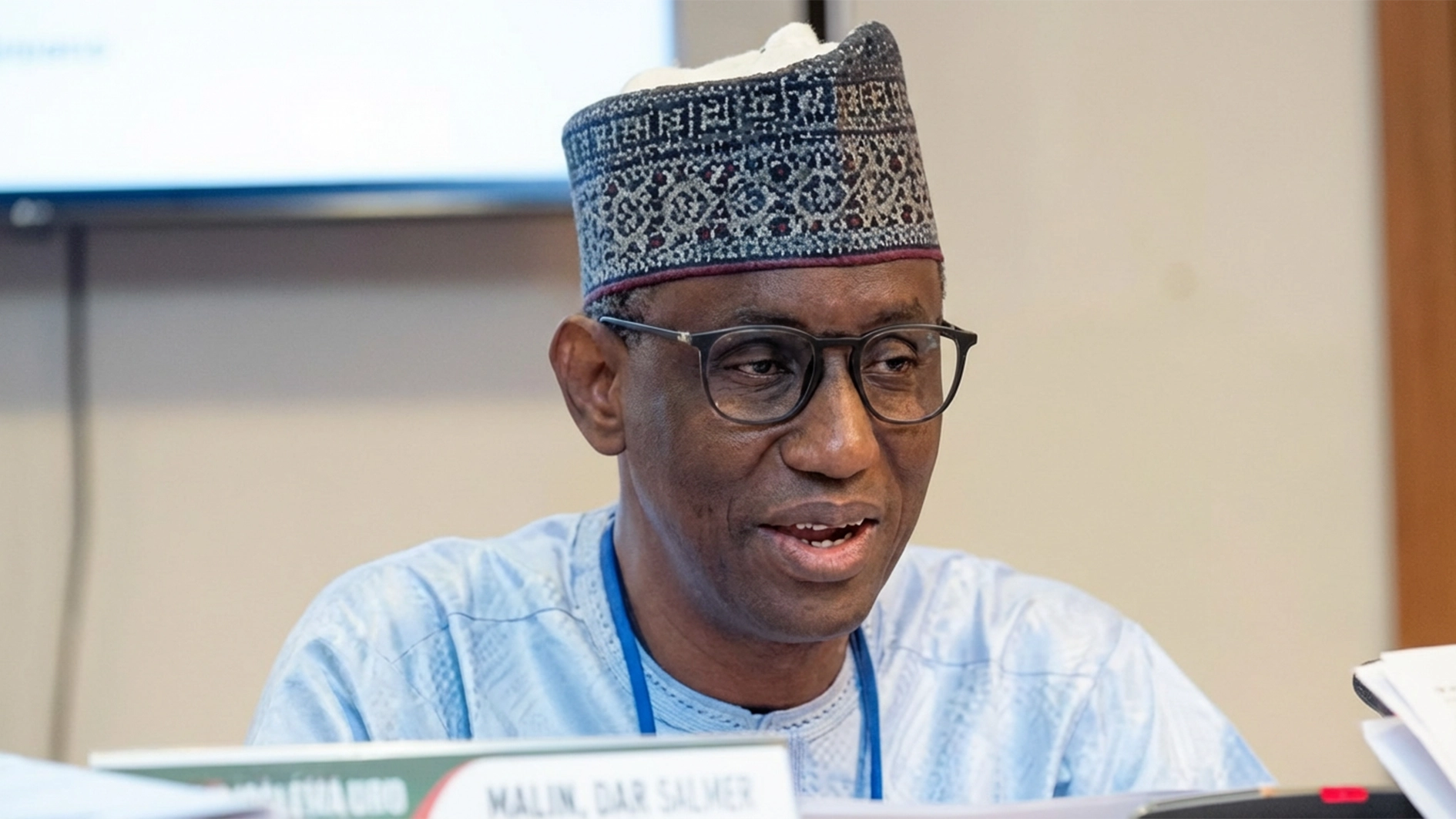
Fresh round of talks by the United States (U.S.) and Nigeria joint working group has begun in Washington, D.C., with security cooperation and counterterrorism measures featuring prominently on the agenda.
National Security Adviser (NSA), Nuhu Ribadu, led the Nigerian delegation at yesterday’s meeting, while the U.S. Under-Secretary of State, Allison Hooker, headed the American team.
Among the Nigerian officials attending the meeting are the Minister of Foreign Affairs, Bianca Odumegwu-Ojukwu; Minister of Defence, Christopher Musa; and the Minister of Interior, Olubunmi Tunji-Ojo.
According to the meeting agenda, discussions include counterterrorism efforts, progress in bilateral cooperation, and the next steps required to strengthen collaboration between the two countries.
A bilateral defence meeting between Nigeria and the U.S. is also scheduled for today (Thursday).
The joint working group was established following President Donald Trump’s decision to redesignate Nigeria as a “Country of Particular Concern” (CPC).

The two countries previously held the inaugural meeting in Abuja in January as part of efforts to deepen cooperation on security and other areas of mutual interest.
Both governments have reiterated their commitment to protecting religious freedom and advancing fundamental rights in Nigeria, including freedom of expression, peaceful assembly and freedom of religion or belief.
In the meantime, the U.S. Government has said the Nigerian Government is not making significant progress in fiscal transparency, stating that its budget documents did not provide sufficient information on the country’s revenues and expenditures or adequately break down spending for executive offices.
In a U.S. Department of State’s 2026 Fiscal Transparency Report published on Tuesday, the U.S. stated that though Nigeria made some key fiscal documents publicly available, it failed to provide a comprehensive picture of government revenues and expenditures.
The report equally raised concerns over discrepancies between Nigeria’s approved budget and its actual implementation, stating that “actual revenues and expenditures did not reasonably correspond to those in the enacted budget. The government did not publish accessible information on public procurement contracts.”
It also condemned Nigeria’s supreme audit institution, saying it did not meet international standards for independence or for publishing substantive reports, despite having access to the entire executed budget.
On public procurement, the U.S. said Nigeria has continued to face transparency challenges, particularly in accessing information on government contracts.
Nevertheless, the report acknowledged some areas of progress, noting that Nigeria had made information on debt obligations, including major state-owned enterprise debt, publicly available. It added that the country’s sovereign wealth fund had a sound legal framework and disclosed information about its funding and general approach to withdrawals.
The report further noted that the Nigerian Government had established legal criteria and procedures for awarding natural resource extraction contracts and licences, and followed existing regulations in practice.
To improve fiscal transparency, the U.S. Government recommended that Nigeria make its executive budget proposal widely and easily accessible to the public, including online.

