 Follow Us on Google News


 Follow Us on Google Discover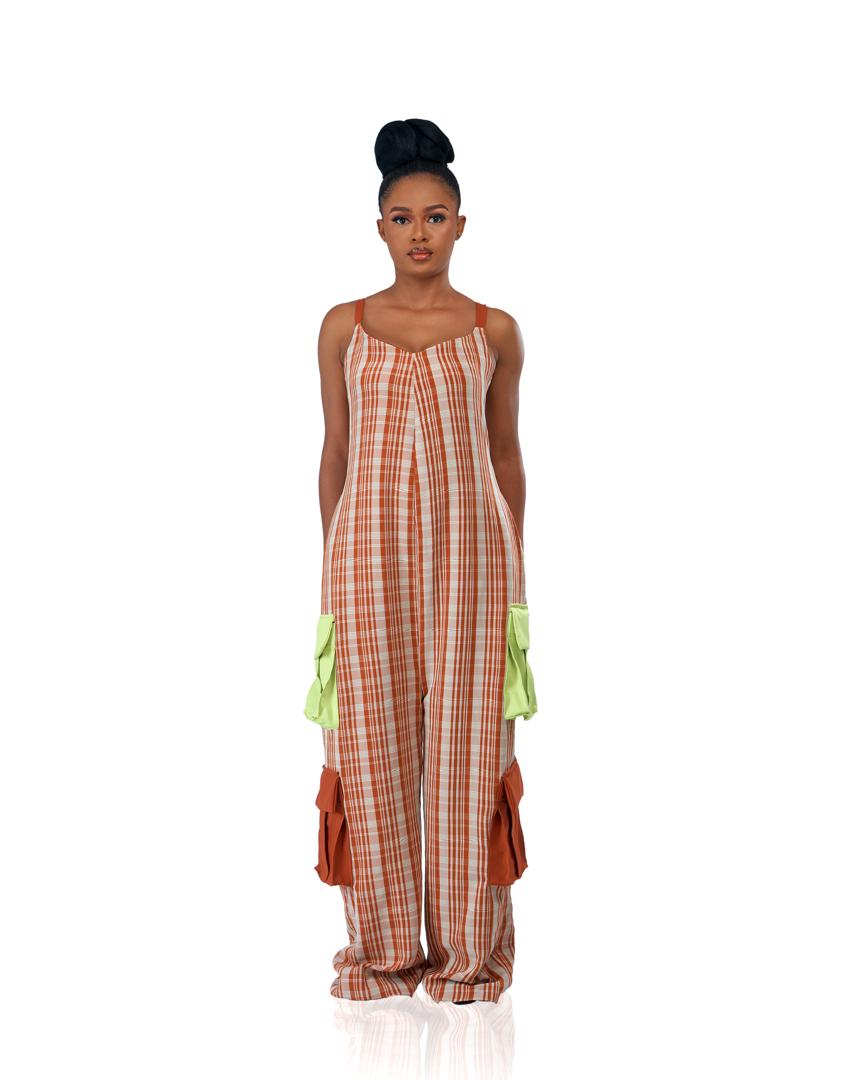
 In the history of humans, clothing and textiles have created an idiosyncratic narrative of identity, culture, and revolution. Right from the ancient Egyptian linens to spritely African prints, fabrics have long served as a platform for storytelling, individuality, and a critique of society. It is truly admirable how the ‘humble thread’ has sparked revolts, built empires, and filled the gap of cultural difference.
Once civilisation came into existence, the early institutions recognised the symbolic significance of textiles and used them to convey messages on status, power, and creative expression. A network of trade routes called the ‘Silk Road’ connected the eastern and western parts of the world, which led to the exchange of different kinds of fabrics, ideas, and innovations.
This revolution transformed textile production in such a way that garments became easily accessible.
Today, the fashion industry is a multimillion-dollar world that has succeeded in shaping cultures, economies, and environments. Several propagandas have been pioneered only by the use of these fabrics. Events such as the ‘End Sars protest’ in 2020, the ‘Ladies’ Home Journal Sit-in’ in 1970 and the ‘Black Lives Matter’ of 2013 all used textiles and clothing to unite, revolt and demonstrate the people’s needs and wants.
All of these prove that the use of clothing and textiles is powerful and symbolic and because of this an intelligent fashion designer decided to join the fast-rising team of fashion enthusiasts all over the world using fabrics. This designer is Monica Obaje.
She is the founder of the brand ‘Moniuq’, a visionary clothing line dedicated to creating classic styles that incorporate contemporary trends and vibrant colours. Through zealous investment of effort, the brand has been able to produce a series of collections since its inception in 2017.
 Each collection is meticulously designed to offer versatility, making it easy for women to navigate various occasions, from church services to court weddings and even to elegant receptions. The designer’s creations are inspired by her sister and the iconic Audrey Hepburn an expert in the field of fashion. using her designs, she has participated in several fashion events including African Fashion Week Nigeria, African Fashion Week Brazil, and Fashion Finest Africa.

Her 2023 cargo collection is a twin set of almost identical jumpsuits, which begins with the ‘Stripez-apex’ fit. The name was given to highlight the pattern and hierarchy of the dress and depending on how you interpret it the name symbolises ‘Top-grade’ apparel. Obaje delicately created this unique and beautiful attire with a check material known as Gingham. The jumpsuit set contains cargo overall which features we will be taking a close look at.
The designs made on the upper region of the suit include a square neckline, spaghetti straps, and a zipper. While the lower part is wide-leg pants with four cargo pockets and long ropes.
The square neckline is not the conventional type of design people go for. However, the distinctive shape makes it a versatile, flattering, and stylish option for many body types. It also creates the illusion of a longer neck, provides contrast to curves, and draws attention to collarbones. For this reason, in recent times it has been incorporated into various ranges of clothes like t-shirts, swimsuits and even some dresses because it is viewed as a ‘fun retro style’. Aside from this, it allows breathability of the neck area, something that can be considered helpful, especially during hot seasons. The next attribute is the spaghetti strap. This type of strap comes without a sleeve and just like the name implied, it has a very slim look which makes it similar to a spaghetti. It is a unique addition to the attire that makes it different from the usual jumpsuit appearance.
On the lower region of the jumpsuit is a wide-leg pant. If you are conversant with the trends of today then you must have noticed that wide-leg designs are at their peak. This is no surprise because the creation comes with several benefits that make it one that is sought after. This part starts at the mid-waist region with a waistband coupled with belt loops and two in-seam pockets. The peculiarity of this part of the design is projected with the four blue cargo pockets placed on both sides of the attire. This pocket was made with a royal blue plain Viscose Challis, a smooth and lightweight material. Connected to these cargo pockets are tiny iron secondary loops that are used to attach the long ropes to the trousers. At the hem of the pants is also a cuffed or folded bottom with longer loops than that found in the mid-waist. The floor-sweeping length of the trousers also makes it into a ‘puddle pants’, likened to an actual puddle. Last but not least, is the back-zipper that runs down below the hip line.
‘Stripez-hind’ follows closely. Just as implied by the name, this is the last of the collection. The look was created with the intelligent mixture of a check material known as Plaid fabric and various other exceptional designs that we will be exploring.
The upper bodice of this creative innovation consists of a spaghetti slap and sweetheart neckline, while the lower region is cargo wide-leg pants.
Though called a spaghetti strap, this particular strap used in the outfit is slightly larger like ‘pappardelle’ and the sweetheart neckline accelerates the womanly curves and appears flattering. This makes it one of universal appeal.
Going down to the wide-legged pants which can also be called a puddle trouser because of its length. this part of the attire has four cargo pockets. These pockets are differentiated by colours, two of which are made from a florescent green Viscose Challis and another two from a burnt orange Viscose Challis. The combination of these colours made the attire distinctive and admirable. Aside from this, the overall colour of the wear is outstanding and attractive. The burnt orange on the Plaid fabric mixed with white draws you in but at the same time doesn’t come off as flashy.
It also has a back-zipper that runs down below the hip line.
The whole collection is a vibrant showcase of mastery and expertise. The skilfully picked colours and style are applauded. Taking a closer look at both designs, there are quite a few similarities to be pointed out and a few suggestions to be made.
A few characteristics make them look almost the same. They both have spaghetti straps, wide-leg pants, quadruple cargo pockets, and back zippers and were both made from check fabric. Even with these similarities, these attires are so different from each other and this makes them eccentric in their own way. However, here are some suggestions the designer may want to consider.
In the first set, the ropes on the cargo pocket seem just too long especially taking into consideration that the pants are in a puddle.
The ropes can be shortened to help avoid hazardous incidents like tripping to the floor. Also, the back zipper can stop at the waistline rather than below the hip line. This makes the clothes look more standard and attractive.
The second fit was more on the simple side than the first which had many intricate designs, we also acknowledge that the idea behind this set is the baggy look. However, the ‘baggy’ is too extravagant. The designer could rectify this by adding a waistband just like in the first set. this will help shape the overall appearance of the wear. Justice can also be done to the back zipper by allowing it to stop at the waistline rather than below the hip line.
Obaje’s in-depth knowledge of fashion clothing and textiles is displayed immensely through this collection. From her careful selection of fabrics to the distinctive features in each piece, down to the efforts put into achieving such a perfect look, it is a clear fact that she is on the right path.
[ad]

