 Follow Us on Google News
 Follow Us on Google Discover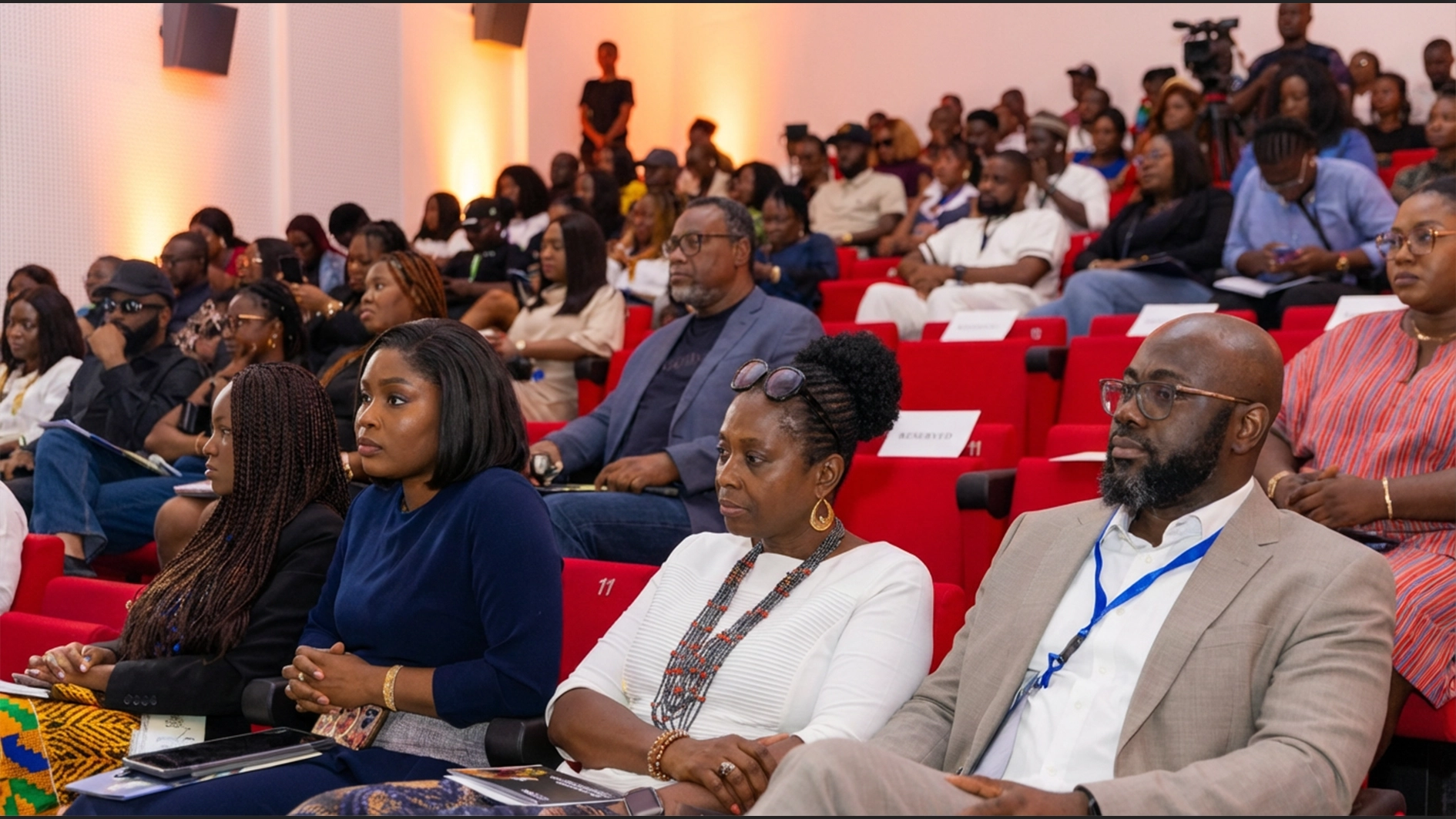
The need to have a better data, structure and policy support for Nollywood so that it will fully realise its economic potential have been raised.
Speaking at the inaugural Lagos Business of Film Summit, the Chief Executive Officer of Cinemax Distribution Ltd., Mr Ope Ajayi, said the industry’s value remained unclear despite its global influence. The summit with the theme ‘Unlocking the Potential of Nollywood, The Next Decade’, is an initiative of the Film Business Forum.
Cinemax CEO said lack of accurate data on yearly output and revenue underscored deeper structural gaps that hinder the industry’s ability to capture and maximise its value.
According to Ajayi, the need for deliberate government policies, incentives and rebates to attract more foreign productions and partnerships to Nigeria.
He also urged stakeholders to define a clear narrative for Nollywood, noting that storytelling plays a critical role in shaping how nations are perceived globally.
The Cinemax boss noted that while Nollywood’s contributions to employment, culture and Nigeria’s global soft power were widely acknowledged, its commercial returns remained disproportionately low.

He equally emphasised the need for deliberate government policies, incentives and rebates to attract more foreign productions and partnerships to Nigeria. He further urged stakeholders to define a clear narrative for Nollywood, noting that storytelling plays a critical role in shaping how nations are perceived globally.
Ajayi said the summit was aimed at fostering dialogue, partnerships and practical solutions that would move the industry beyond discussions of potential to sustainable value creation.
Speaking on ‘Financing Film Projects: Structure, Access and ROI’, Chief Executive Officer of Chapel Hill Denham, Mr Bolaji Balogun, stressed the need for education, collaboration and an enabling environment to attract investment and unlock the full value of Nigeria’s creative and entertainment industry.
He noted that the creative sector could account for between 20 and 25 per cent of Nigeria’s Gross Domestic Product in the long term, translating to a minimum value of about 250 billion dollars, if properly harnessed.
Balogun said access to capital depended on credible evidence of success, urging industry players to document and share accurate data on revenues and returns. He emphasised the importance of investing in infrastructure across production, post-production and distribution, noting that such investments required long-term capital and partnerships with institutional investors.
He also highlighted the need for structured talent development, saying most industry professionals were selftaught and that large-scale training institutions were required to meet future demand. He called for improved talent management, digitalisation and preservation of content, including Nigeria’s historical audiovisual archives.
Also speaking, the Executive Director of the National Film and Video Censors Board (NFVCB), Dr Shaibu Husseini, said unlocking Nollywood’s full potential would require intentional collaboration across the value chain, including creatives, investors, distributors, technology partners, and regulators.
“The industry must move beyond volume to value by strengthening storytelling, professional standards, financing models, and inclusive distribution systems.
“Within this context, NFVCB is rethinking distribution as a key growth lever. We are working on a new framework to deepen grassroots access to Nigerian films through community cinemas and regulated mobile exhibition platforms,” the NFVCB boss said.
Husseini said this initiative is designed to take Nollywood beyond traditional urban screens, expand audience reach, create new revenue streams for producers, and stimulate local creative economies, while ensuring proper classification, content protection, and accountability.
He noted that by formalising and supporting these alternative exhibition channels, the NFVCB aims to bridge the gap between creators and underserved audiences, strengthen data capture, and build a more inclusive and sustainable film ecosystem. “With the right partnerships and shared vision, Nollywood can, in the next decade, unlock new markets, empower communities, and consolidate its place as a global cultural and economic force,” he said.
Meanwhile, Founder of EbonyLife Media, Ms Mo Abudu, emphasised the importance of collaboration and prioritising strong storytelling before focusing on funding.
Abudu said, “we must research and understand what is going on in the global market to unlock the potential of our industry, Nollywood. We must build on our ecosystem.
“We must concentrate on creating local contents for local and then create for global space.”
She hinted that a replica of the EbonyLife Studio would be opened in London by July.
She expressed optimism that the next decade would witness a surge in streaming platforms, creating abundant opportunities.
Also, speaking at the event notable Filmmaker, Kunle Afolayan, emphasised the importance of thorough research in storytelling “To unlock thr potential of Nollywood in the next decade, we must focus on producing films for posterity,” he said.
Afolayan debunked rumours that he does not collaborate, as he announced his interest in working with his colleagues going forward.
The Managing Director of Chapel Hill Denham Nigeria SME Ltd, Ms Tosin Dabiri, announced the company’s new initiative, the Creative Catalyst Fund for filmmakers.
She explained that the portal is now open as she provided details on how creatives can apply. Speaking on “Box Office Showtimes,” the General Manager of Cinemax Distribution Ltd., Ms Onyeka Nnama, proposed extending the minimum screening period for films from one week to two weeks, citing the limited number of screens and showtimes. “It is important that filmmakers make films that people want to see as you engage the right faces,” she said.

