 Follow Us on Google News
 Follow Us on Google Discover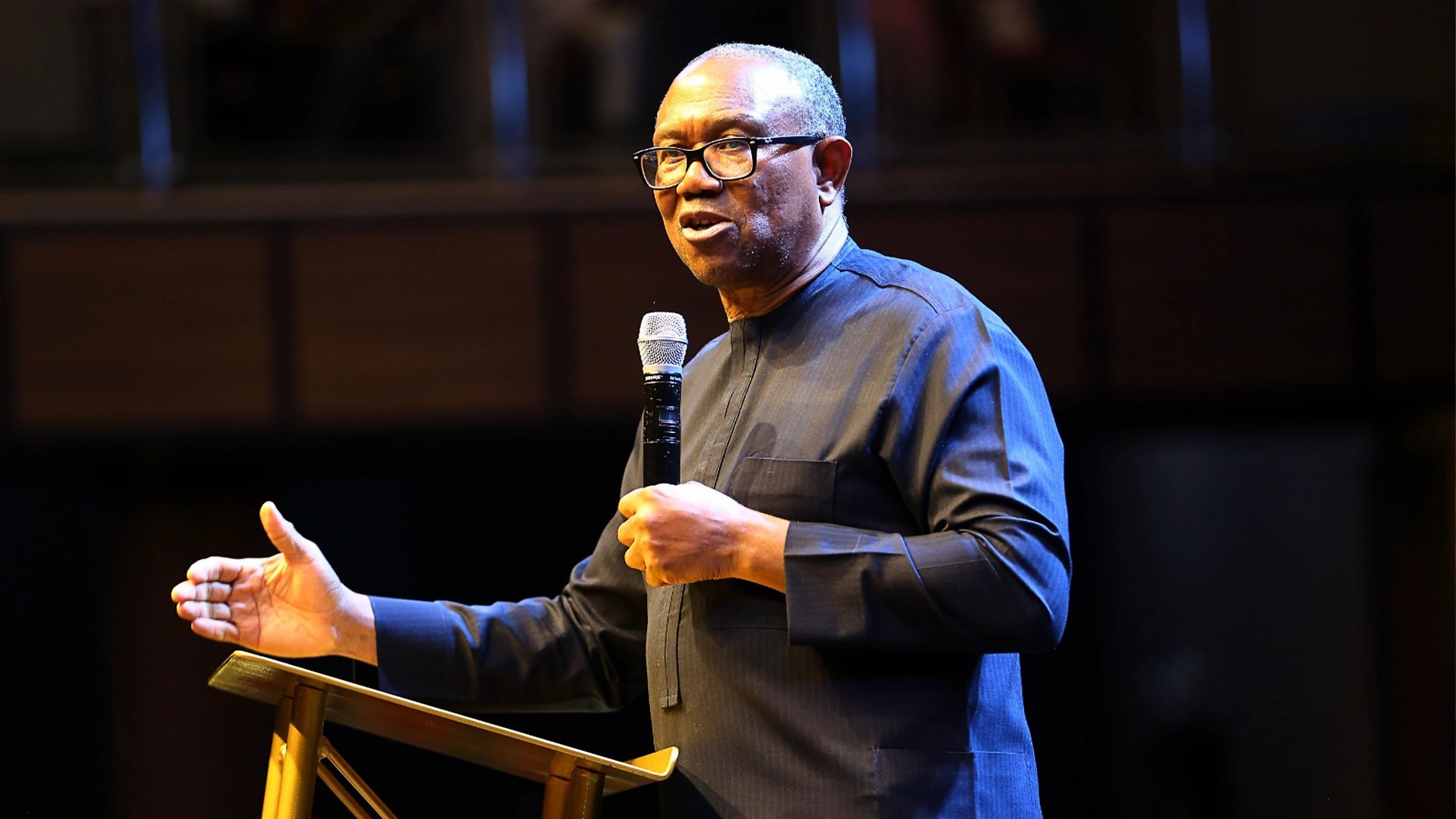
The presidential candidate of the Nigeria Democratic Congress (NDC), Peter Obi, has urged President Bola Tinubu to defer the implementation of state police until after the 2027 general election, warning that introducing the new policing structure before the polls could expose it to political manipulation.
Obi’s position comes days after the National Assembly passed the Constitution Alteration Bill seeking to establish state police, a landmark reform aimed at decentralising Nigeria’s policing system to tackle the country’s growing security challenges.
The constitutional amendment, which still requires approval by at least 24 state Houses of Assembly before it can be presented for presidential assent, provides for the establishment of state police commands alongside the Nigeria Police Force.
The bill also contains provisions intended to prevent governors from abusing the new security structure, following longstanding concerns that state police could be deployed against political opponents.
However, Obi argued that despite the benefits of decentralised policing, the current implementation process raises concerns about transparency and the potential for political misuse, particularly with the 2027 elections approaching.
The former Anambra State governor made his position known in a statement posted on his X account titled, “State Police: Commendable Step, but Disorderly Legislation Raises Concerns of Political Misuse.”

He described the passage of the bill as a significant milestone but questioned the legislative and constitutional process leading to its implementation.
“The recent passage of the State Police Bill by the National Assembly marks a significant legislative milestone in addressing a long-standing demand of the Nigerian people.
“For years, many of us, alongside security experts and regional stakeholders, have consistently argued that a highly centralised policing structure is fundamentally unsuitable for a country as vast, diverse and complex as Nigeria. However, the legislative and constitutional implementation appears shaky and raises legitimate concerns,” Obi said.
He called for the establishment of independent State Police Service Commissions insulated from executive interference, arguing that such oversight mechanisms are necessary to ensure state police serve the public interest rather than political office holders.
Obi further expressed concern that the current administration could exploit the new policing framework to influence the outcome of the 2027 elections.
“Going by what Nigerians have seen so far, there is no guarantee that this administration can resist the temptation to take advantage of state policing to influence the 2027 general election by proxy.
“In view of that possibility and the danger it poses to the polity, it is necessary to defer its implementation until after the general election. A New Nigeria is Possible,” he stated.
The debate over state police has remained one of Nigeria’s most contentious constitutional reform issues.
Supporters argue that decentralising policing would improve intelligence gathering, strengthen community policing and enhance rapid response to security threats, while opponents fear state-controlled police could be weaponised by governors against political rivals.
Although the National Assembly included safeguards aimed at limiting political interference and strengthening independent oversight, the proposal continues to generate debate among political parties, civil society organisations and security experts over its implementation and timing.

