 Follow Us on Google News


 Follow Us on Google Discover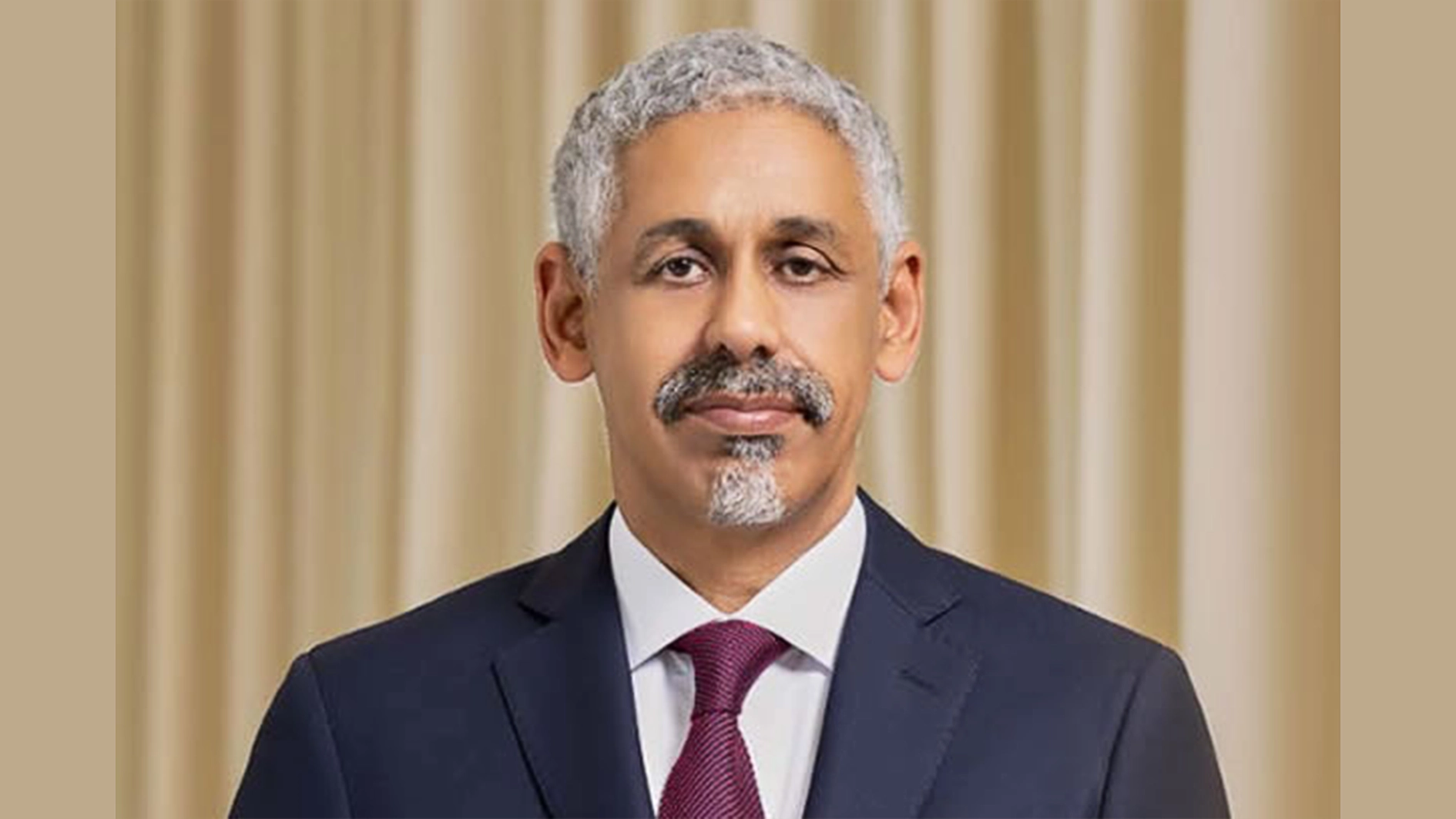
President of the African Development Bank (AfDB) Group, Sidi Ould Tah, on Tuesday, said 12 of the world’s 20 fastest-growing economies are in Africa.
He said this as the bank unveiled its 2026 African Economic Outlook at the AfDB Annual Meetings in Brazzaville.
The latest development highlights the continent’s rising economic profile despite growing global trade tensions, tighter financial conditions and declining development assistance to emerging markets.
Presenting the flagship report, Tah said African economies had remained resilient amid a difficult global environment, with real Gross Domestic Product (GDP) growth stabilising at 4.3 per cent in 2025 and projected to rise further to 4.5 per cent in 2026.
According to him, the performance reflects the continent’s growing economic dynamism despite external shocks and geopolitical uncertainties.
The AfDB president also said GDP per capita growth, a key indicator of living standards, improved from 0.9 per cent in 2023 to 1.9 per cent in 2025, suggesting a gradual recovery in economic welfare across several African countries.

Tah disclosed that foreign direct investment (FDI) inflows into Africa rebounded strongly in 2024, rising by 75 per cent to $97 billion. Remittance inflows also increased by 14 per cent to $186 billion during the same period, reinforcing their position as the continent’s largest source of external financing ahead of official development assistance and portfolio investments.
The figures, according to the AfDB, reflect improving investor confidence in African economies at a time when many developing regions continue to grapple with weaker capital inflows due to global uncertainty and protectionist trade policies.
On inflation, Tah said headline inflation across the continent declined from 21.8 per cent in 2024 to 13.6 per cent in 2025, signalling improving macroeconomic conditions in several economies.
He, however, warned that inflationary pressures remain elevated in some countries due to rising energy prices, higher import costs and exchange rate volatility, factors that could slow the pace of price stability.
Despite the positive outlook, the AfDB president cautioned that structural weaknesses, infrastructure deficits and financing constraints continue to limit Africa’s growth potential.
He urged governments across the continent to consolidate recent gains through investment-driven growth policies, stronger human capital development and increased infrastructure financing.
Tah also called for deeper reforms in Africa’s financial systems to reduce dependence on external aid and strengthen domestic resource mobilisation.
According to him, the continent must take advantage of its demographic strength and growing investment inflows to achieve sustainable long-term growth and greater economic self-reliance.

